Open Nav

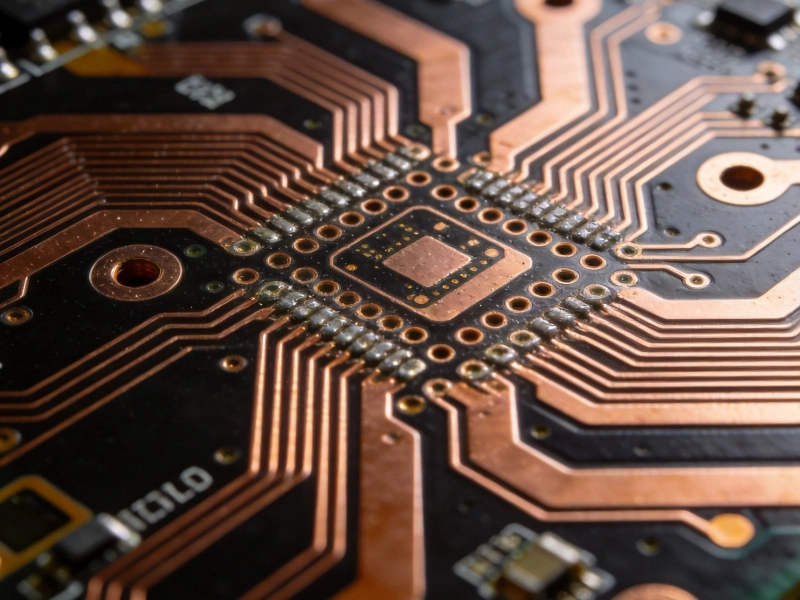
If you've ever wondered how engineers pack unprecedented computing power into devices that fit in your pocket, the answer lies significantly in HDI Pcb Technology. High Density Interconnect printed circuit boards have become the unsung heroes enabling the electronics revolution surrounding us daily.
From the smartphone that never leaves your side to the medical devices saving lives, HDI PCBs work silently behind the scenes. Understanding where this technology flourishes reveals why it's become indispensable across industries—and why more designers are turning to HDI for their next generation products.
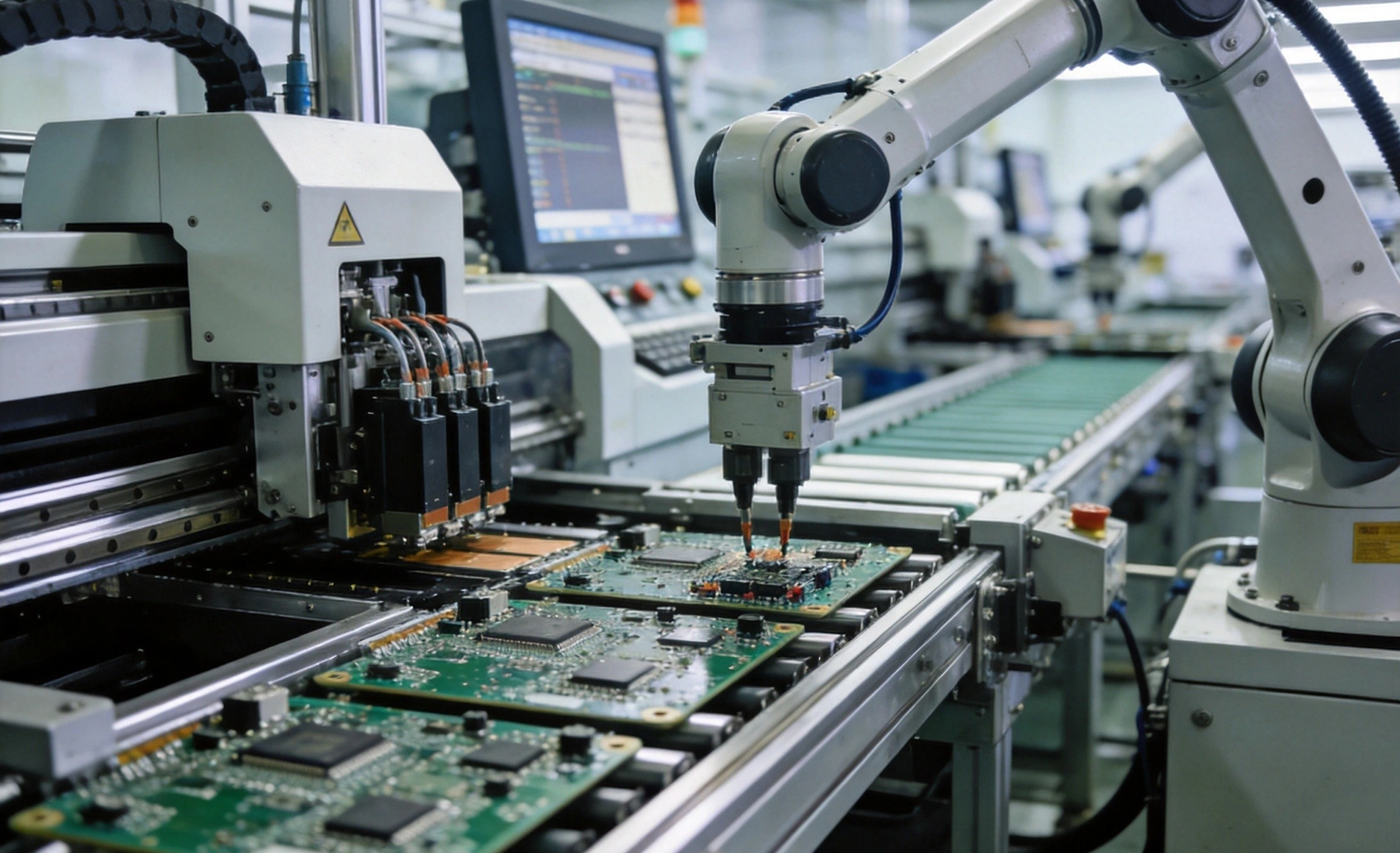
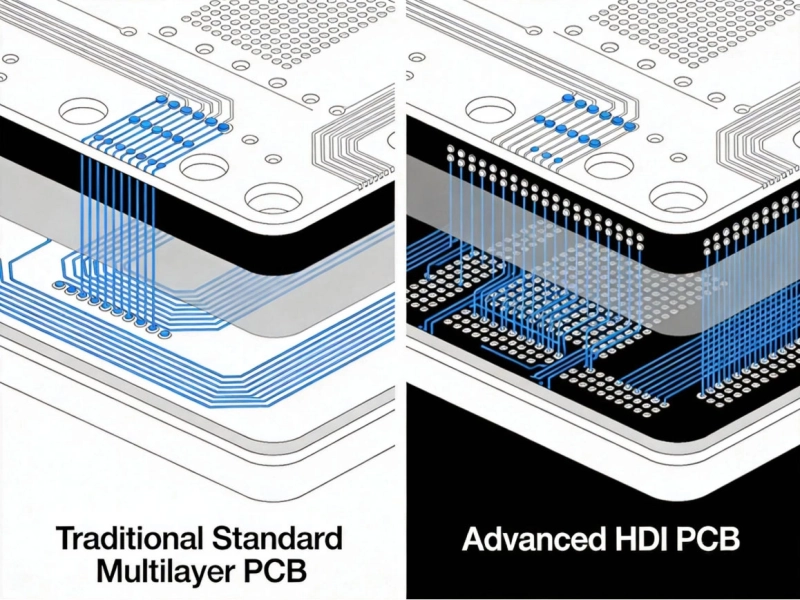
Before exploring specific applications, let's briefly understand why Hdi Technology has become so essential. Traditional circuit boards struggle to keep pace with modern demands for Miniaturization, performance, and reliability.
HDI PCBs solve these challenges through Microvia Technology, build-up layer structures, and superior routing density. These innovations translate directly into tangible benefits: smaller boards, lighter devices, better electrical performance, and competitive advantages for manufacturers who master them.
As an experienced Hdi Pcb manufacturer, we've witnessed these applications transform from early adoption to industry standard. The following five sectors represent where Hdi Technology delivers the greatest impact—and where we see continued growth potential.
Smartphones represent the single largest application for HDI PCBs, consuming hundreds of millions of boards annually across the industry. Every flagship smartphone relies on complex HDI technology to achieve its form factor and functionality.
Consider what's packed into a modern smartphone: application processors with billions of transistors, multiple RAM and storage packages, RF transceivers for cellular connectivity, Wi-Fi and Bluetooth modules, camera processors handling computational photography, display drivers, and power management circuits—all squeezed into a few millimeters of thickness.
Traditional Pcb Technology simply cannot achieve this density. HDI makes smartphones possible.
Board Size Reduction
Smartphone mainboards using Any Layer HDI technology are typically 30-40% smaller than equivalent traditional multilayer designs. This space savings directly enables larger batteries, additional features, or thinner device profiles—each representing significant competitive advantages.
Component Density
Modern smartphones contain over 1,000 individual components mounted on their mainboards. HDI technology enables this density through fine-pitch routing, via-in-pad technology, and layer count optimization that simply isn't achievable with conventional manufacturing.
Signal Integrity for 5G
Current 5G smartphones require exceptional high-frequency signal handling. HDI Microvias provide shorter signal paths with reduced stub effects, delivering the Signal Integrity necessary for reliable millimeter-wave communications.
Dense smartphone processors generate significant heat. HDI's flat, uniform layer structure enables effective thermal interface material application, spreading heat from hotspots to Thermal Dissipation structures.
HDI technology extends throughout the consumer electronics ecosystem:
Modern vehicles represent rolling computer systems, with some高端 cars containing over 100 individual electronic control units (ECUs). From engine management to infotainment, advanced driver assistance systems (ADAS) to electric powertrain controls, Automotive Electronics demand reliability, density, and performance—making HDI technology increasingly essential.
The automotive industry presents unique challenges: components must function reliably across extreme temperature ranges, endure years of vibration and mechanical stress, and deliver consistent performance throughout vehicle lifetimes measured in decades.
Infotainment Systems
Modern car infotainment combines navigation, entertainment, smartphone connectivity, and vehicle settings into sophisticated touchscreen interfaces. These systems require:
HDI PCBs enable this functionality while fitting within dashboard design constraints and meeting automotive thermal requirements.
Advanced Driver Assistance Systems (ADAS)
Lane keeping, automatic emergency braking, adaptive cruise control, and parking assistance rely on processing sensor data in real-time. ADAS processors demand:
HDI technology delivers the density and performance ADAS requires while meeting stringent automotive quality standards.
Electric Vehicle Powertrain Controls
EV battery management systems, motor controllers, and charging electronics benefit from HDI in specific ways:
Instrument Clusters and Displays
Digital instrument clusters and heads-up displays use HDI for their high-resolution graphics processors and compact packaging requirements.
Automotive HDI production demands exceptional Quality Management:
We've invested significantly in automotive HDI capability, serving Tier 1 suppliers and direct OEM relationships with boards meeting the most demanding automotive requirements.
Medical electronics represent some of the most demanding applications for HDI technology. Devices must often be small enough for implantation or comfortable enough for extended wearable use, while delivering life-critical functionality with absolute reliability.
The medical device industry faces unique pressures: regulatory requirements demand extensive documentation, devices must function reliably for years without maintenance, and patient safety remains paramount above all other considerations.
Implantable Devices
Pacemakers, implantable defibrillators, cochlear implants, and neurostimulators push miniaturization to absolute limits. These devices must:
HDI technology enables the electronic sophistication these devices require while meeting aggressive size constraints. A modern cochlear implant contains more processing power than early desktop computers—packed into a device fitting within the skull.
Wearable Medical Monitors
Continuous glucose monitors, wearable heart rate monitors, and sleep tracking devices combine comfort with functionality:
HDI enables all-day wearable devices that patients actually use consistently.
Portable Diagnostic Equipment
Handheld ultrasound, portable ECG monitors, and point-of-care blood analyzers bring diagnostic capability to bedside and field settings:
Diagnostic Imaging Equipment
CT scanners, MRI systems, and ultrasound machines use HDI in their control and processing electronics—benefiting from HDI's signal integrity advantages for sensitive medical imaging.
Medical Device Manufacturing introduces specific requirements:
The Internet of Things connects billions of devices—from simple environmental sensors to complex edge computing systems. This rapidly expanding market drives enormous demand for HDI technology as manufacturers compete to create smaller, more capable, and more affordable connected devices.
IoT applications span an incredibly diverse range, and HDI usage varies accordingly. Understanding how HDI applies across IoT categories helps designers make appropriate technology choices.
Simple Sensors and Actuators
Basic IoT devices like temperature sensors, smart plugs, and simple switches may use traditional PCBs. However, even these benefit from HDI when:
Smart speakers, thermostats, security cameras, and smart locks represent mid-complexity IoT applications:
These devices typically use 1-N-1 or 2-N-2 HDI structures, balancing density with manufacturing cost.
Industrial IoT and Edge Computing
Complex industrial sensors, gateway devices, and edge computing modules represent high-complexity IoT:
These applications often use 2-N-2 or Any Layer HDI structures matching the density requirements.
Cost Sensitivity
High-volume IoT devices face intense cost pressure. HDI manufacturing must balance density benefits against per-unit costs. Strategies include:
Power Efficiency
Many IoT devices operate on battery power or energy harvesting. HDI contributes to power efficiency through:
Wireless Integration
Every IoT device needs wireless connectivity, and HDI plays crucial roles:
5G networks represent the largest telecommunications infrastructure investment in decades. This deployment drives significant demand for HDI technology across base station electronics, network infrastructure, and consumer equipment.
5G technology introduces challenges previous generations didn't face: higher frequencies, wider bandwidths, massive MIMO antenna systems, and edge computing requirements. Each challenge benefits from HDI's unique capabilities.
Base Station Processing Units
5G base stations process enormous data volumes while fitting within increasingly compact form factors. Processing boards require:
HDI enables this processing density while meeting base station environmental requirements for temperature range and reliability.
Massive MIMO Antenna Modules
5G base stations use antenna arrays with dozens or hundreds of elements. Each element requires:
HDI technology enables the density these modules require, with specialized RF materials maintaining signal integrity at millimeter-wave frequencies.
Network Switches and Routers
5G backhaul and core networks demand high-port-density switches and routers:
These applications benefit from HDI's superior signal integrity characteristics.
5G Smartphones
Every 5G smartphone uses sophisticated HDI technology for:
5G introduces additional complexity beyond 4G, making HDI even more critical for smartphone design.
5G Fixed Wireless Access
Indoor and outdoor 5G modems and routers use HDI for their processing and connectivity electronics.
CPE (Customer Premises Equipment)
5G hotspots and fixed wireless terminals benefit from HDI density for their compact, feature-rich designs.
While 5G deployment continues, research into 6G communications has already begun. Future generations will push HDI technology requirements even further:
These future applications will drive continued HDI advancement.
While not among the top five by volume, aerospace and defense represent critical HDI applications where reliability and performance requirements exceed all other sectors.
Aerospace electronics must function in extreme environments: vacuum, radiation, temperature extremes, and vibration. Defense electronics add requirements for ruggedness and long-term availability.
These applications often require specialized materials (high-Tg, radiation-tolerant) and extended qualification testing—but benefit from HDI density and reliability.
Consumer Electronics (Smartphones, IoT)
Automotive
Medical
Communications Infrastructure
When selecting an HDI partner for any application, consider asking:
Artificial Intelligence Hardware
AI accelerators and machine learning processors push HDI technology requirements as they demand:
Advanced Driver Assistance and Autonomous Vehicles
Self-driving technology requires processing capabilities approaching data center levels—within vehicle size, weight, and power constraints. HDI becomes essential for achieving this balance.
Wearable Augmented Reality
AR glasses and headsets combine display technology, sensors, processors, and connectivity in extremely compact form factors. HDI miniaturization makes these products possible.
Medical Wearables and Implantables
Continuous health monitoring and advanced medical implants will push HDI density and reliability requirements further as devices become smaller and more capable.
Smartphones represent the perfect storm of HDI requirements: extreme miniaturization driven by consumer expectations for thin, light devices; demanding high-speed signal requirements for cellular and wireless connectivity; high component density mounting sophisticated processors and memory; and enormous production volumes justifying HDI investment. Every flagship smartphone contains multiple HDI boards, driving industry-leading demand.
Automotive Electronics most commonly use 1-N-1 and 2-N-2 HDI structures. These balance density improvements with manufacturing consistency and reliability. Complex automotive electronics like infotainment mainboards may use Any Layer HDI for maximum integration. The emphasis in automotive is typically on proven reliability rather than pushing technology boundaries.
Absolutely. When properly designed, manufactured, and qualified, HDI PCBs meet or exceed medical device reliability requirements. Microvias actually eliminate some traditional PCB failure modes. Medical device manufacturers routinely use HDI in implantable devices, diagnostic equipment, and patient monitors. Working with manufacturers experienced in medical applications ensures proper qualification and documentation.
IoT devices span such a wide range that the answer varies significantly. Simple connected sensors might use traditional multilayer PCBs. More capable Smart Home Devices typically benefit from 1-N-1 HDI. Complex edge computing IoT devices may require 2-N-2 or Any Layer HDI. The right structure depends on your specific density requirements, cost targets, and production volumes.
5G introduces several factors increasing HDI requirements: higher frequencies demand better signal integrity; wider bandwidths require faster data converters and routing; massive MIMO antenna systems need dense RF electronics close to antenna elements; and 5G devices must maintain compatibility with previous generation networks while adding new capabilities. These factors collectively increase HDI complexity and drive adoption across 5G device categories.
From the smartphone in your hand to the car you drive, the medical device monitoring your health to the 5G network connecting your devices, Hdi Pcb technology enables the modern electronics that define contemporary life.
The five applications explored here—smartphones and consumer devices, automotive electronics, medical devices, IoT, and 5G communications—represent where HDI technology delivers its most significant impact. Each sector demands unique combinations of density, reliability, cost optimization, and performance—challenges HDI addresses through its versatile capabilities.
Whether you're developing the next breakthrough consumer product, advancing automotive safety systems, creating life-saving medical devices, connecting the IoT ecosystem, or building 5G infrastructure, HDI technology provides the foundation for innovation.
The question isn't whether HDI will matter for your next project—it's whether you're leveraging its full potential to create competitive advantage.
Ready to explore HDI for your specific application? Our engineering team brings decades of experience across these sectors. Upload your design requirements for a free consultation—we'll help you understand how HDI technology can transform your next product, whatever your application sector.
Why Choose a China HDI PCB Manufacturer for Your Project?May/13/2026
The Ultimate Guide to HDI PCB Technology You Need to KnowJune/02/2026
HDI PCB Manufacturing Process: Step-by-Step ExplanationMay/13/2026
HDI PCB vs Standard PCB: Key Differences ExplainedMay/13/2026
Understanding HDI PCB Technology: A Comprehensive Guide for BeginnersMay/13/2026
The Future of PCB Manufacturing in China: Trends for 2026 and BeyondMay/19/2026
What is the Minimum Trace Width for HDI PCBs?July/17/2026
What is HDI PCB? A Complete Guide from China HDI PCB ManufacturerMay/13/2026