Open Nav

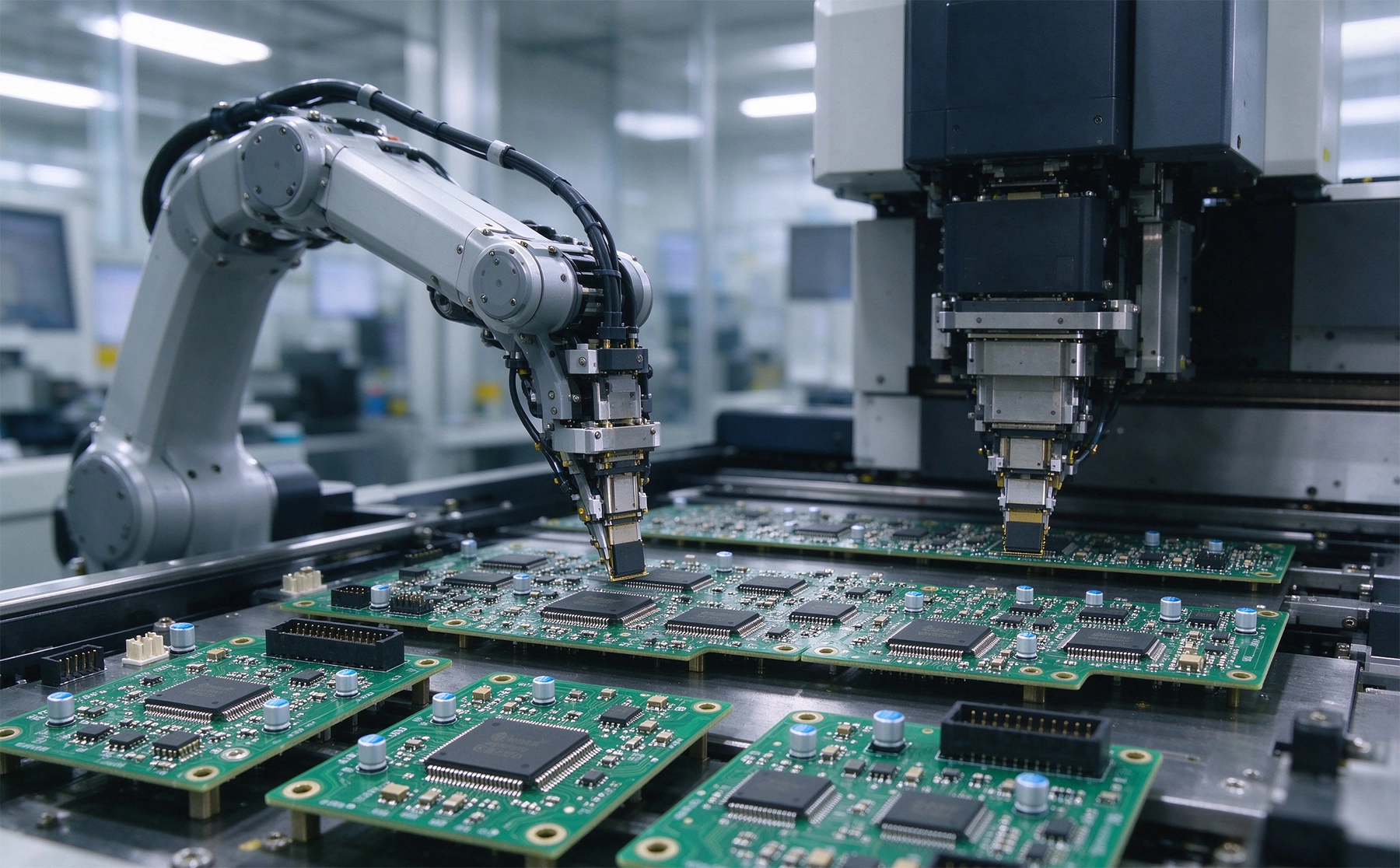
Why Low Volume PCB Manufacturing is Crucial for Agile Hardware DevelopmentOctober/16/2026In the world of hardware product development, speed and adaptability can make or break a market opportunity. While software teams have long embraced agile methodologies, hardware engineers often find themselves bottlenecked by traditional manufacturing timelines and minimum order quantities. This ...
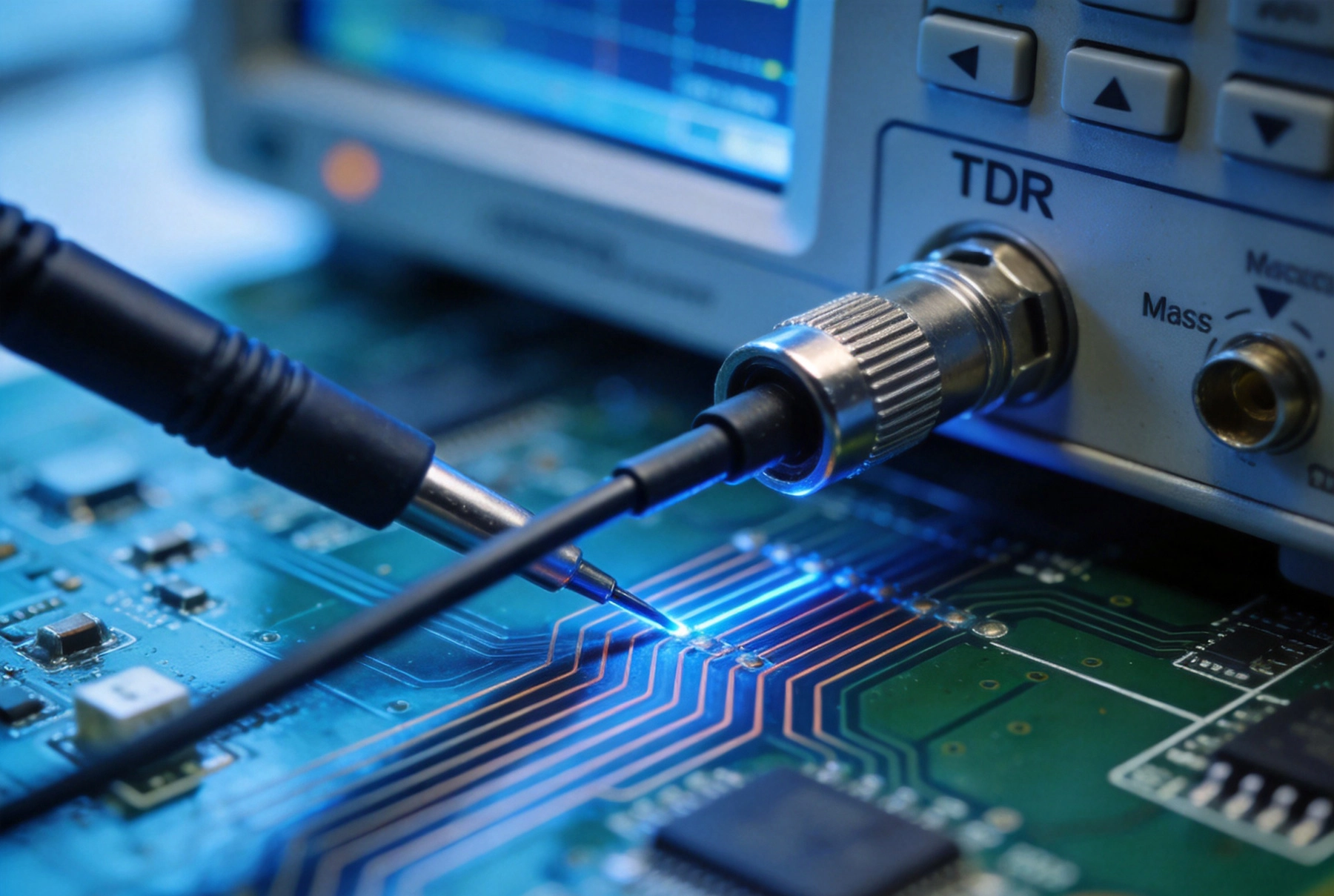
Controlled Impedance Testing: Ensuring Performance in High-Speed BoardsOctober/15/2026As digital signaling speeds push past 10 Gbps and edge rates shrink to sub-nanosecond transitions, every fraction of an ohm matters. A PCB trace that deviates from its target impedance by even 5% can cause signal reflections, bit errors, and system-level failures that are notoriously difficult to ...
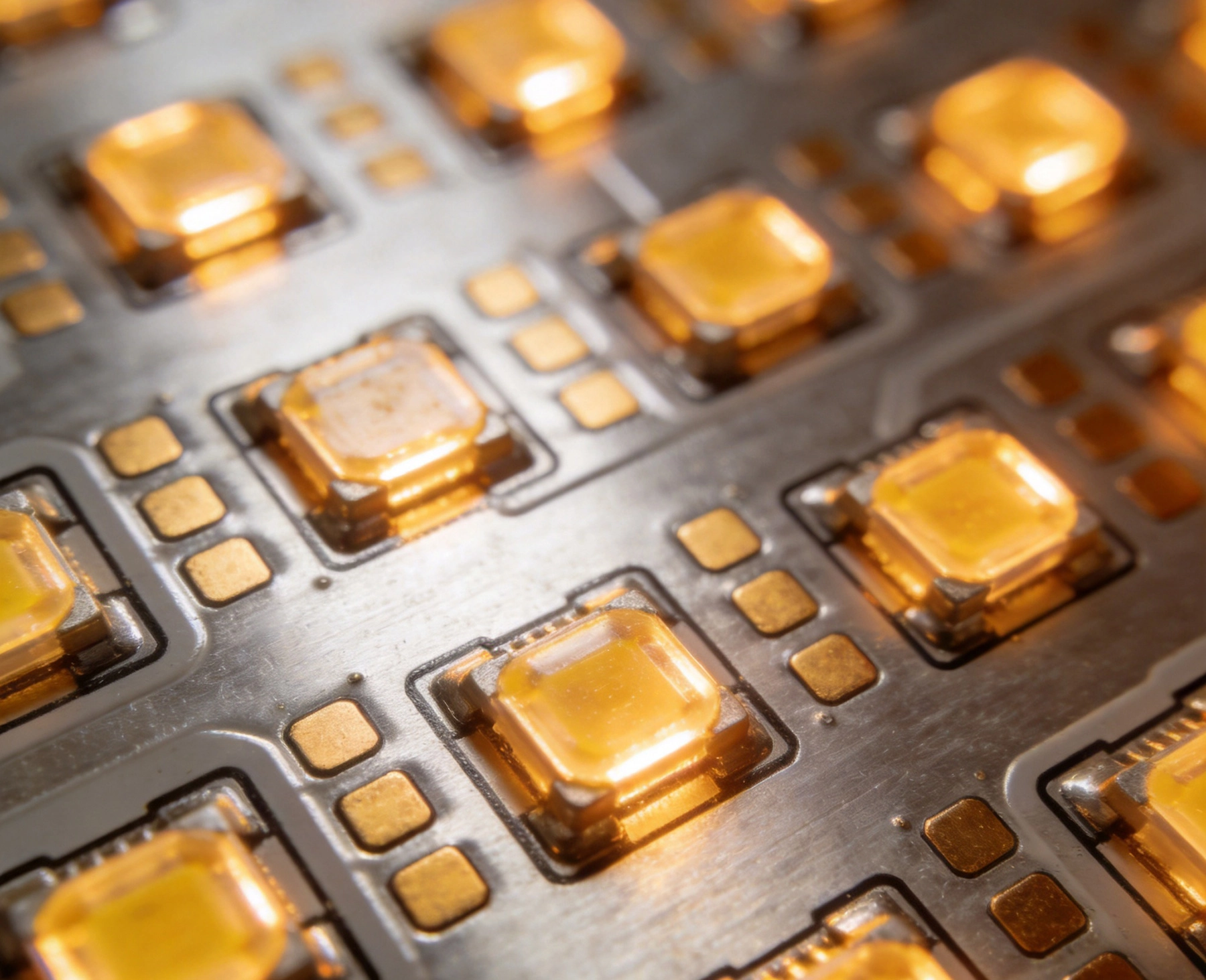
Why Your LED Lighting Project Needs an Aluminum PCBOctober/14/2026Thermal management remains the critical factor that determines whether your LED design achieves 50,000 hours of operation or fails within the first year. When junction temperatures rise just 10°C above rated maximums, LED lifespan drops by roughly 50 percent. This reality makes substrate selection...
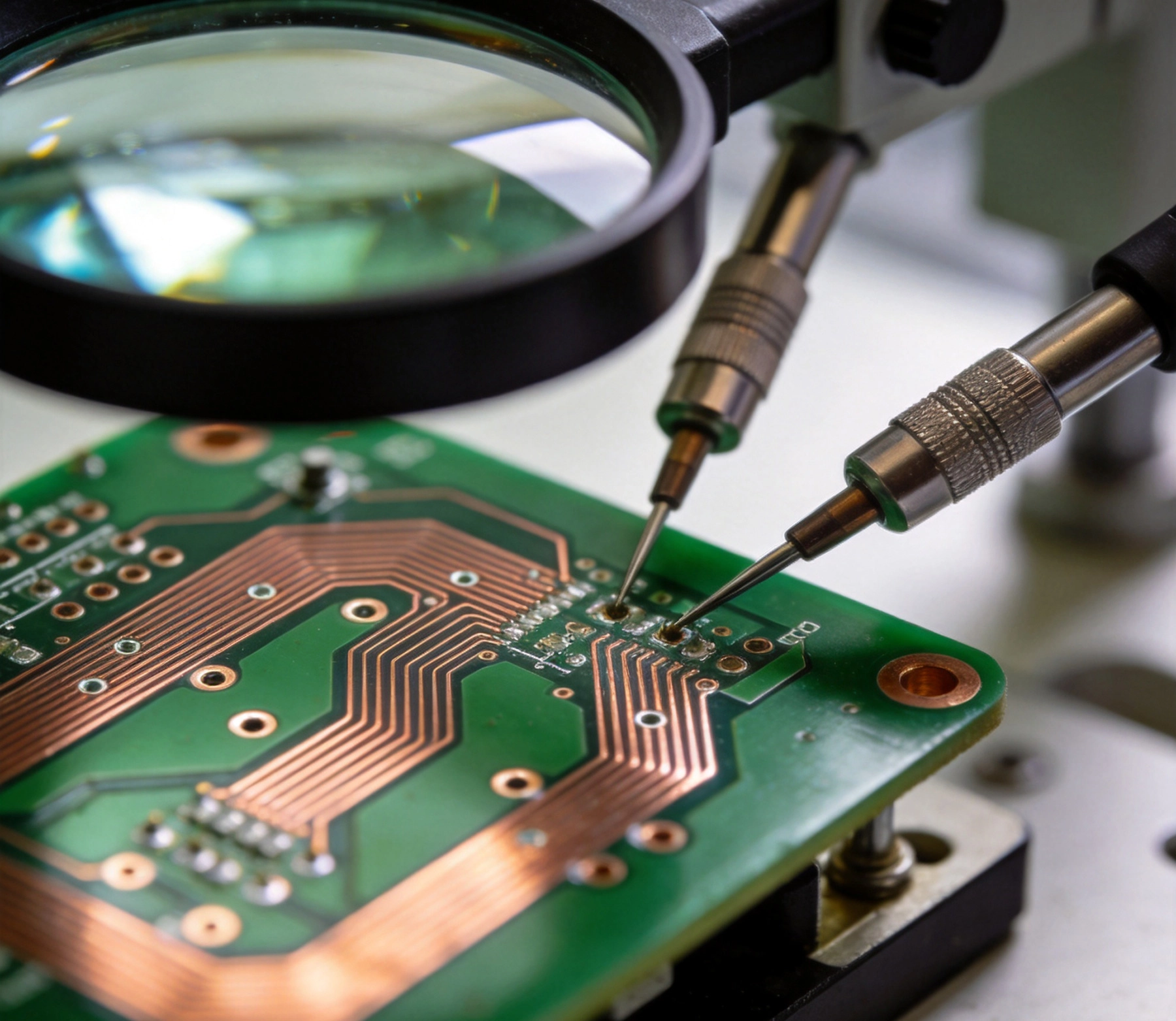
How to Verify the Quality of a PCB Prototype Before Mass ProductionOctober/13/2026Jumping straight from design files to full-scale production is one of the most expensive mistakes a hardware team can make. A single undetected defect—say, a misaligned drill or a latent short—multiplies across thousands of boards, draining budget and schedule alike. That is exactly why verifying ...
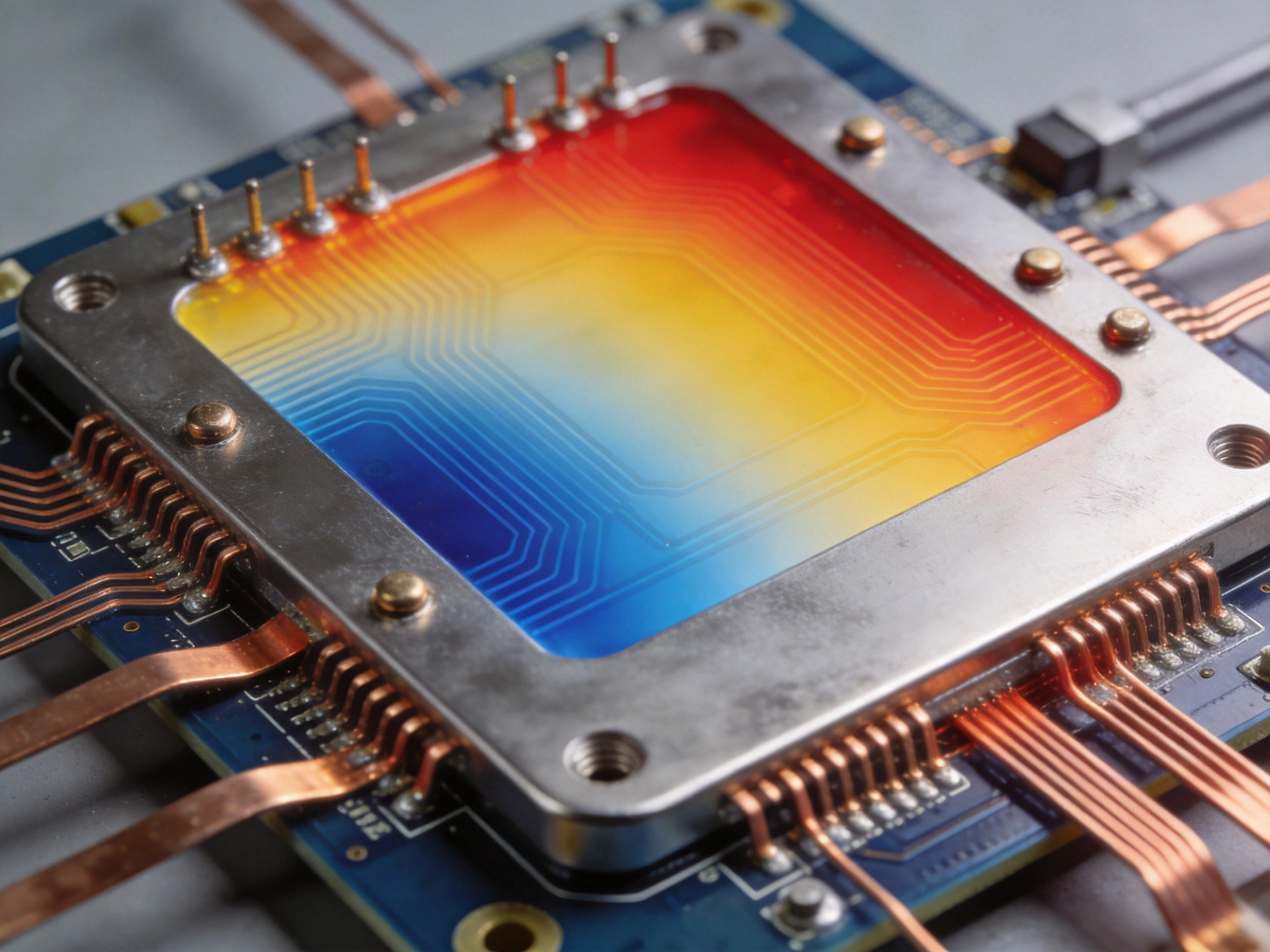
Case Study: Solving a Complex Thermal Issue with a Metal Core PCBOctober/12/2026Thermal management is one of the most critical challenges in modern high-power electronic design. As component densities increase and power requirements rise, traditional printed circuit board (PCB) materials like FR4 often struggle to dissipate heat efficiently, leading to premature component fai...
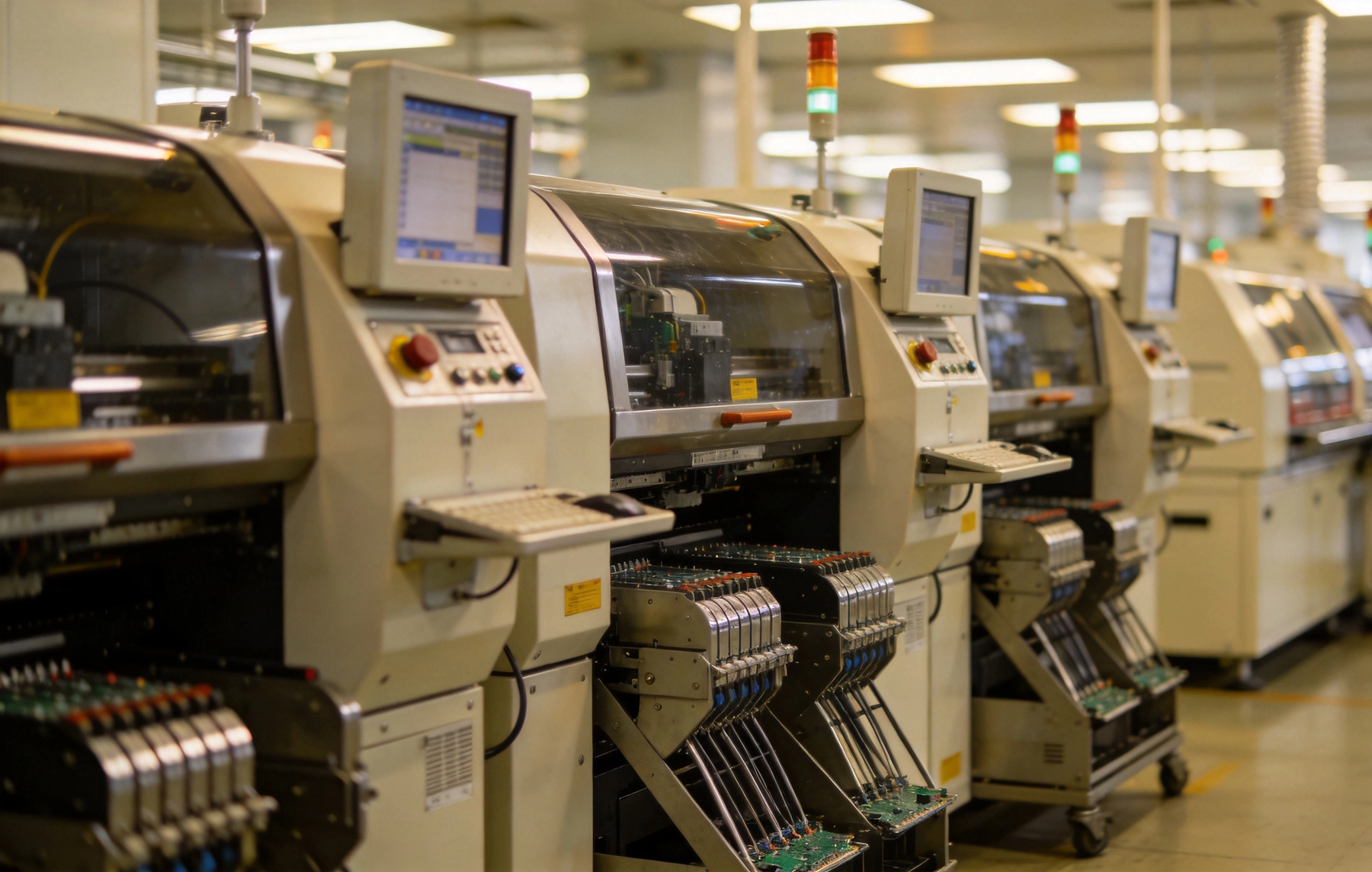
Turnkey PCB Assembly: Simplifying Your Supply Chain with One VendorOctober/10/2026Managing a fragmented supply chain is one of the biggest headaches in electronics manufacturing. You source bare boards from one shop, buy components from multiple distributors, then ship everything to an assembler who was never in the loop on your design intent. Each handoff introduces delays, mi...
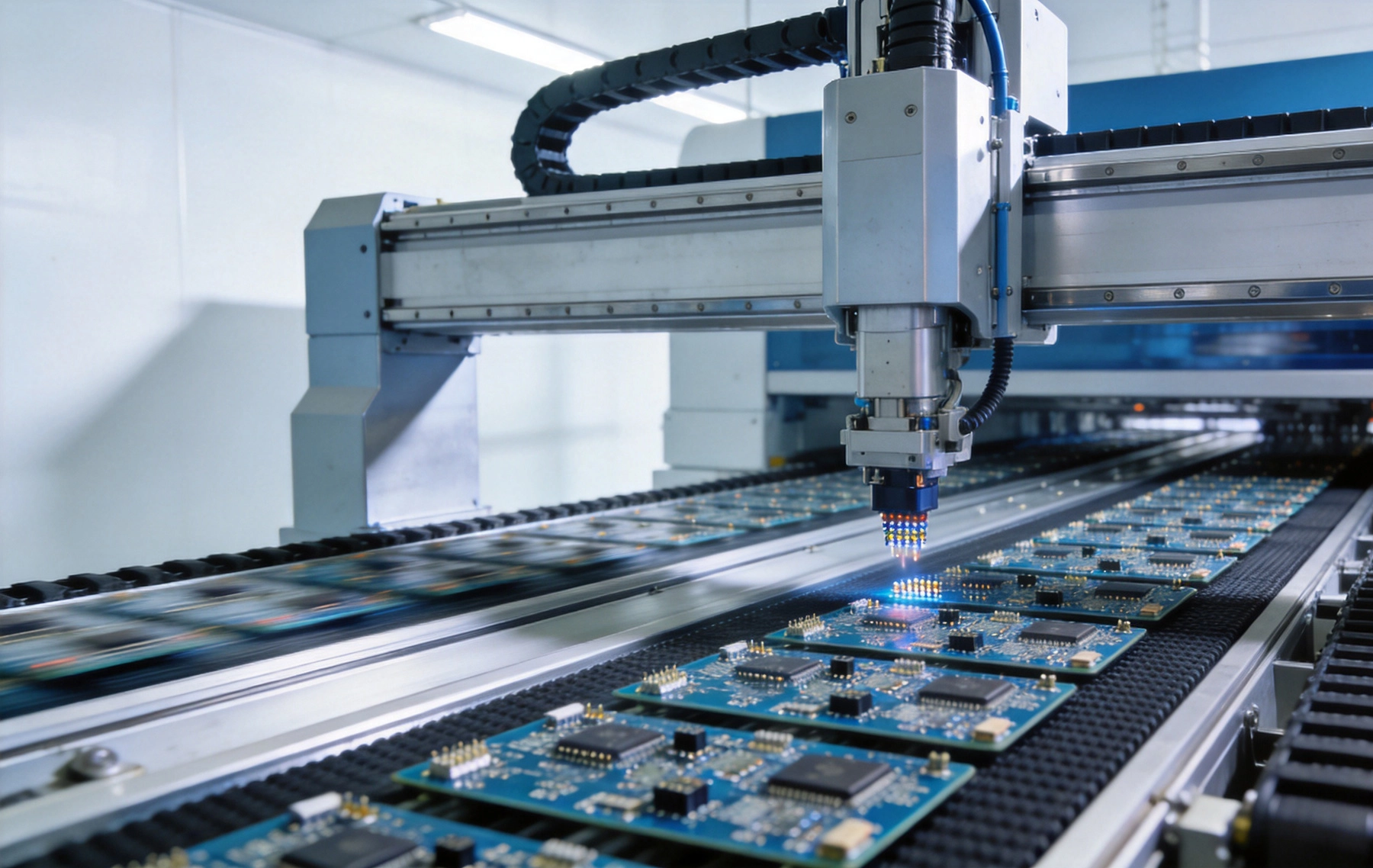
Bridging the Gap: Moving from PCB Prototype to Mass ProductionOctober/09/2026Getting a printed circuit board to work in the lab is one thing. Getting it to perform reliably at scale—that's where many engineering teams hit a wall. The jump from prototype to mass production isn't just about ordering more boards. It's about rethinking design decisions, supply chain arrangemen...
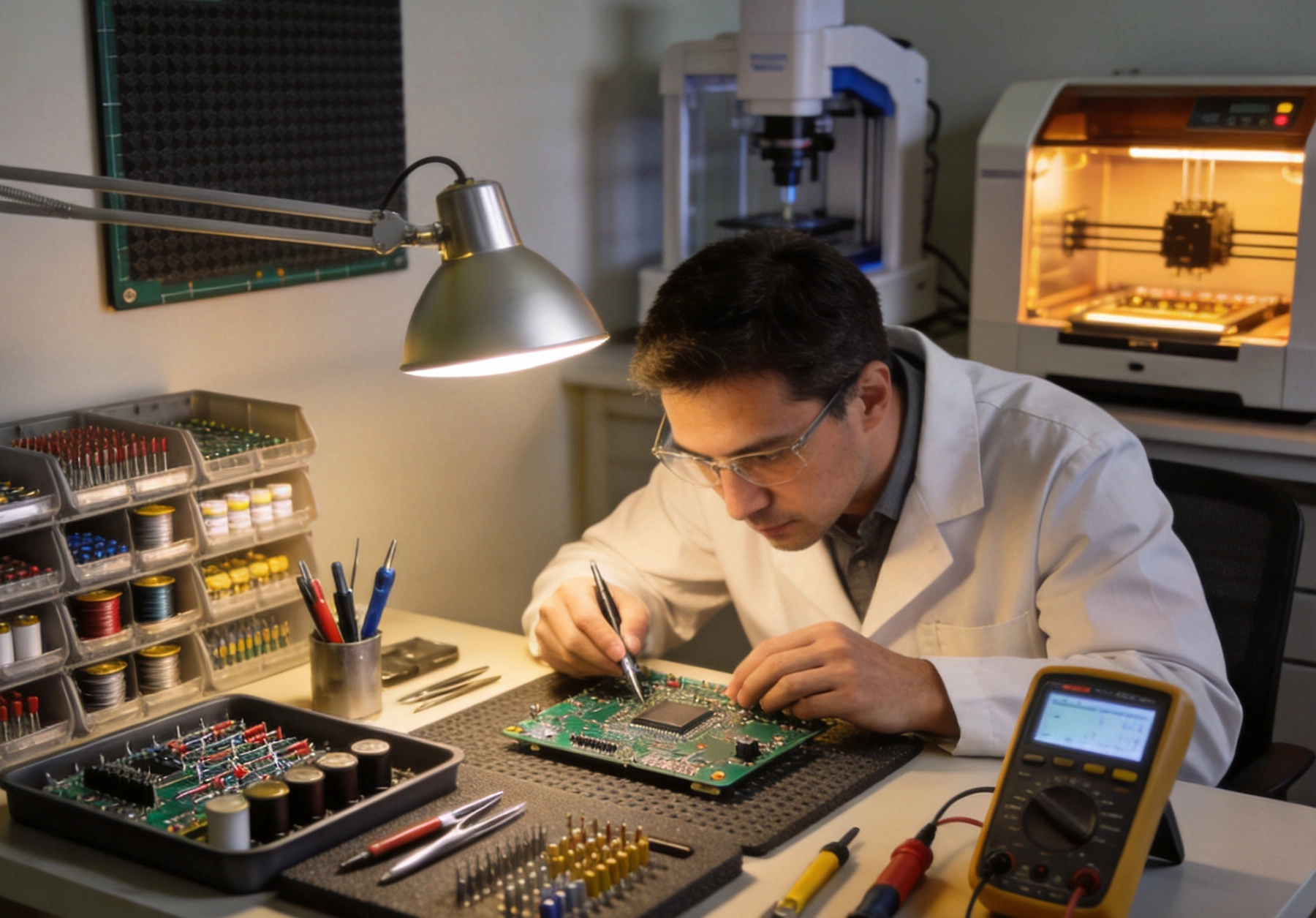
Low Volume PCB Manufacturing: Ideal Solutions for Startups and R&DOctober/08/2026Every hardware startup and research team faces the same painful reality: you need 5 boards, maybe 25, to validate a design before committing to a full production run. The big contract manufacturers are not interested in that volume, the pricing is calibrated for scale, and the lead times are built...
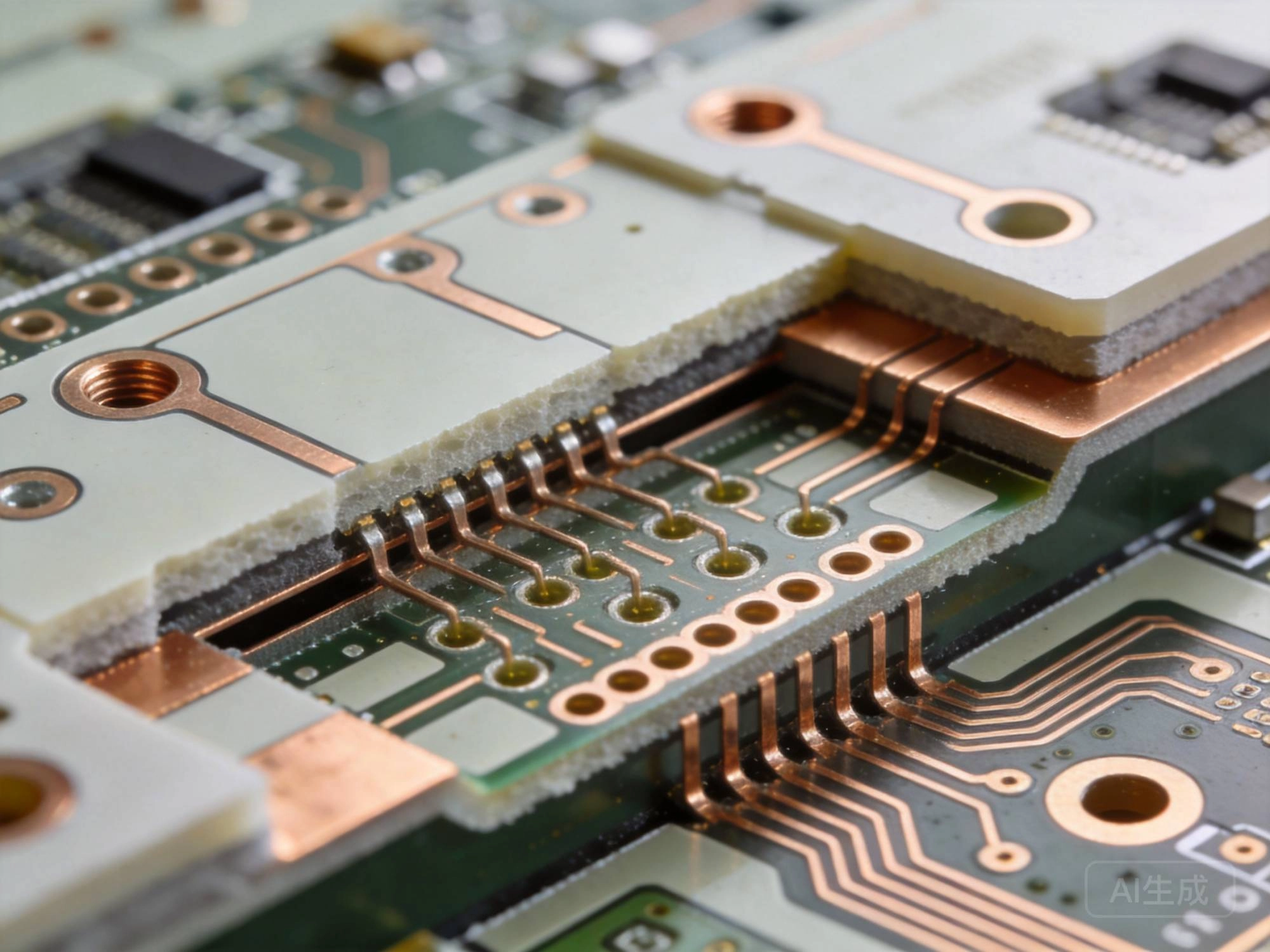
Blind and Buried Vias: Enhancing Density in HDI PCBsSeptember/30/2026Modern electronics are locked in an ongoing battle for space. Every new generation of smartphone, wearable, medical implant, and automotive module demands more functionality packed into a smaller footprint. Meeting that demand starts at the board level — and one of the most effective ways to incre...
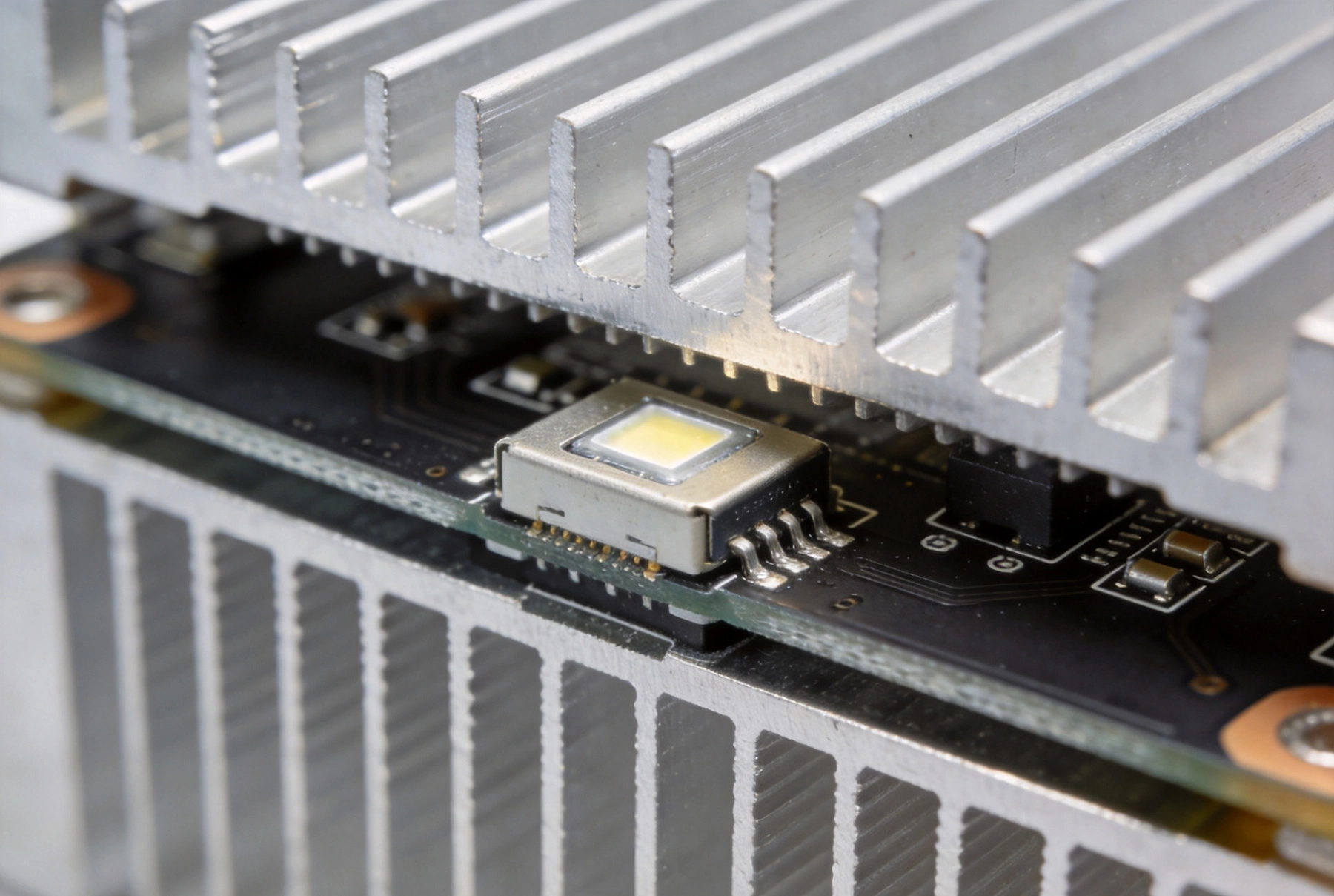
Metal Core PCB (MCPCB) Basics: Aluminum vs. Copper SubstratesSeptember/29/2026High-power electronic components generate significant heat that standard FR-4 PCBs simply cannot dissipate efficiently. Metal Core Printed Circuit Boards (MCPCBs), also known as Insulated Metal Substrate (IMS) boards or metal-backed PCBs, solve this problem by replacing the traditional fiberglass-...
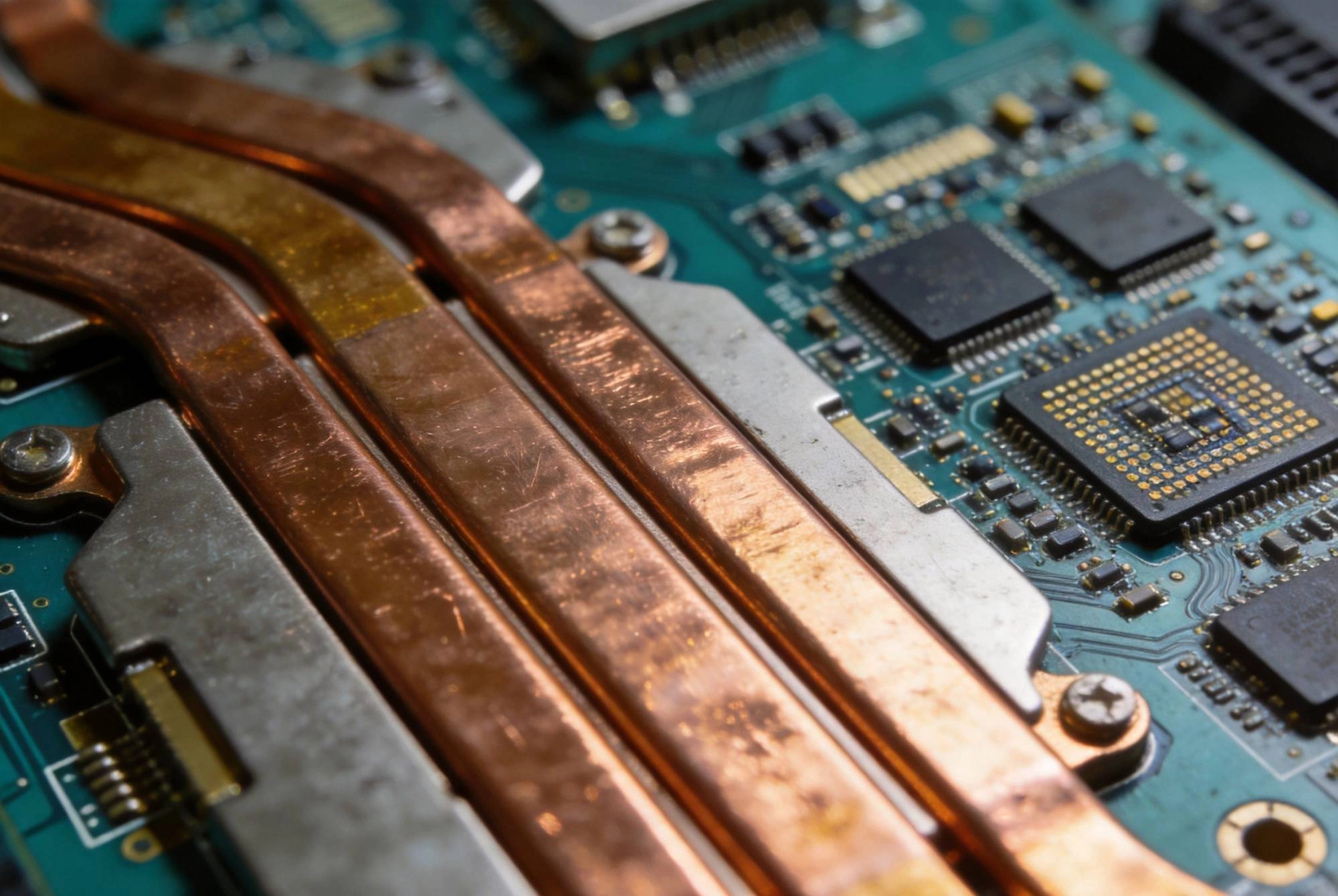
Can I Mix Heavy Copper and Fine Pitch Components on One Board?September/28/2026Heavy copper for power. Fine pitch for intelligence. In an era where industrial controllers need to deliver tens of amps while running GHz-class processors on the same card, the question is not theoretical — it is a real design constraint that every PCB engineer eventually confronts.Short answ...
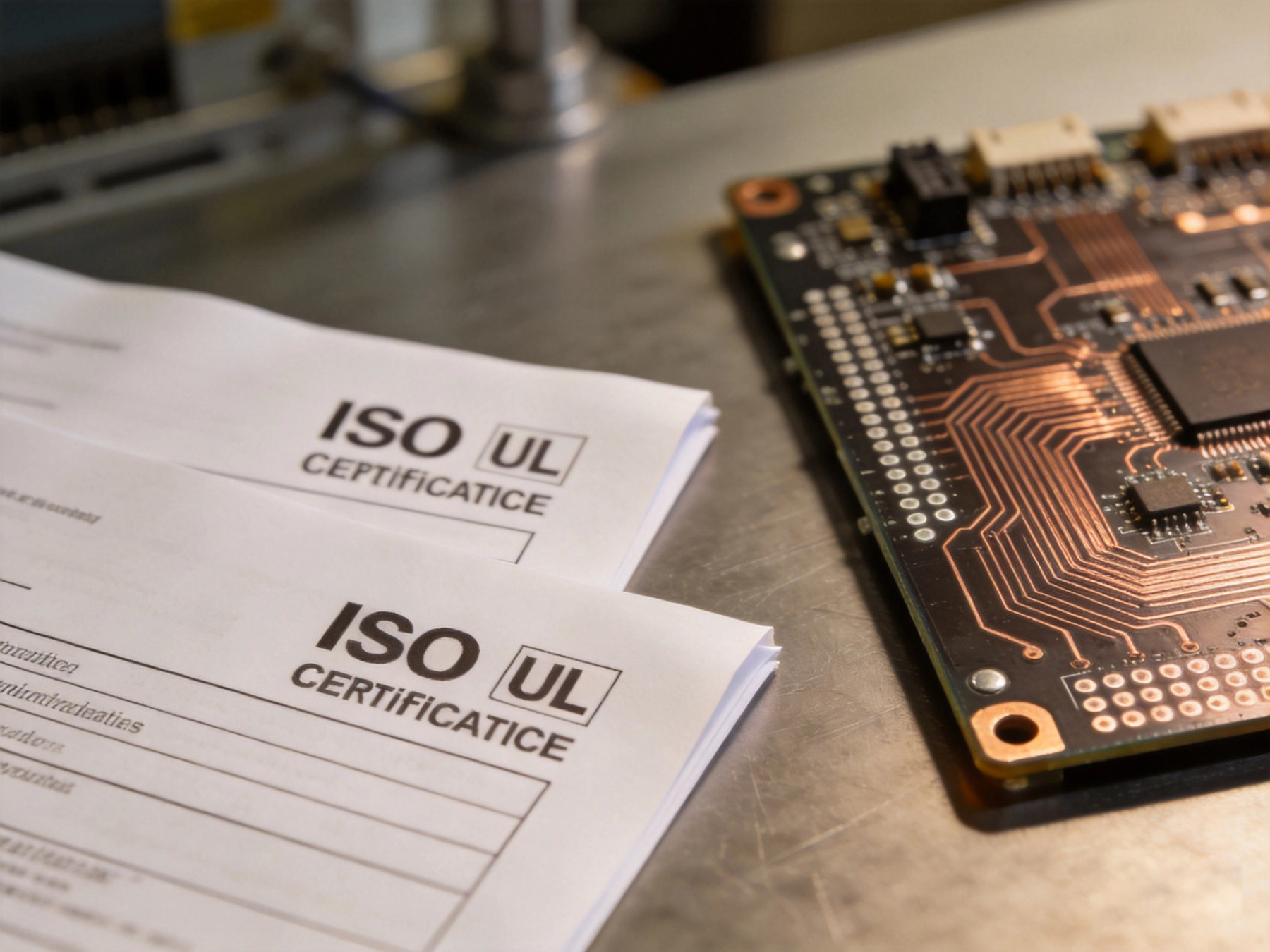
ISO and UL Certifications: What They Mean for Your PCB QualitySeptember/26/2026When you are evaluating a PCB manufacturer, one of the first things you probably check is their list of certifications. ISO 9001, ISO 14001, IATF 16949, UL 94 — these acronyms show up on nearly every supplier's website. But what do they actually guarantee about your boards? Understanding what each...
From Shenzhen's high-density HDI facilities to Guangdong's Mass Production hubs, Chinese PCB manufacturers offer unparalleled versatility—supporting everything from $2 prototype boards to complex 40+ layer industrial circuits.Whether you're developing IoT devices, Automotive Electronics, medical equipment, or 5G infrastructure, PCB manufacturers in China deliver the quality, speed, and scalability that modern electronics demand.