Open Nav

When you entrust your PCB designs to a manufacturer overseas, you are handing over more than just Gerber files—you are sharing months of engineering effort, proprietary circuit architectures, and competitive innovations that define your market position. For overseas clients, the question is not whether a manufacturer can produce your boards, but whether your intellectual property remains secure throughout every phase of the production process. We have built a comprehensive IP protection framework specifically designed to address the concerns that international clients bring to us, combining physical security measures, digital safeguards, contractual protections, and a culture of confidentiality that permeates every team member who touches your project.
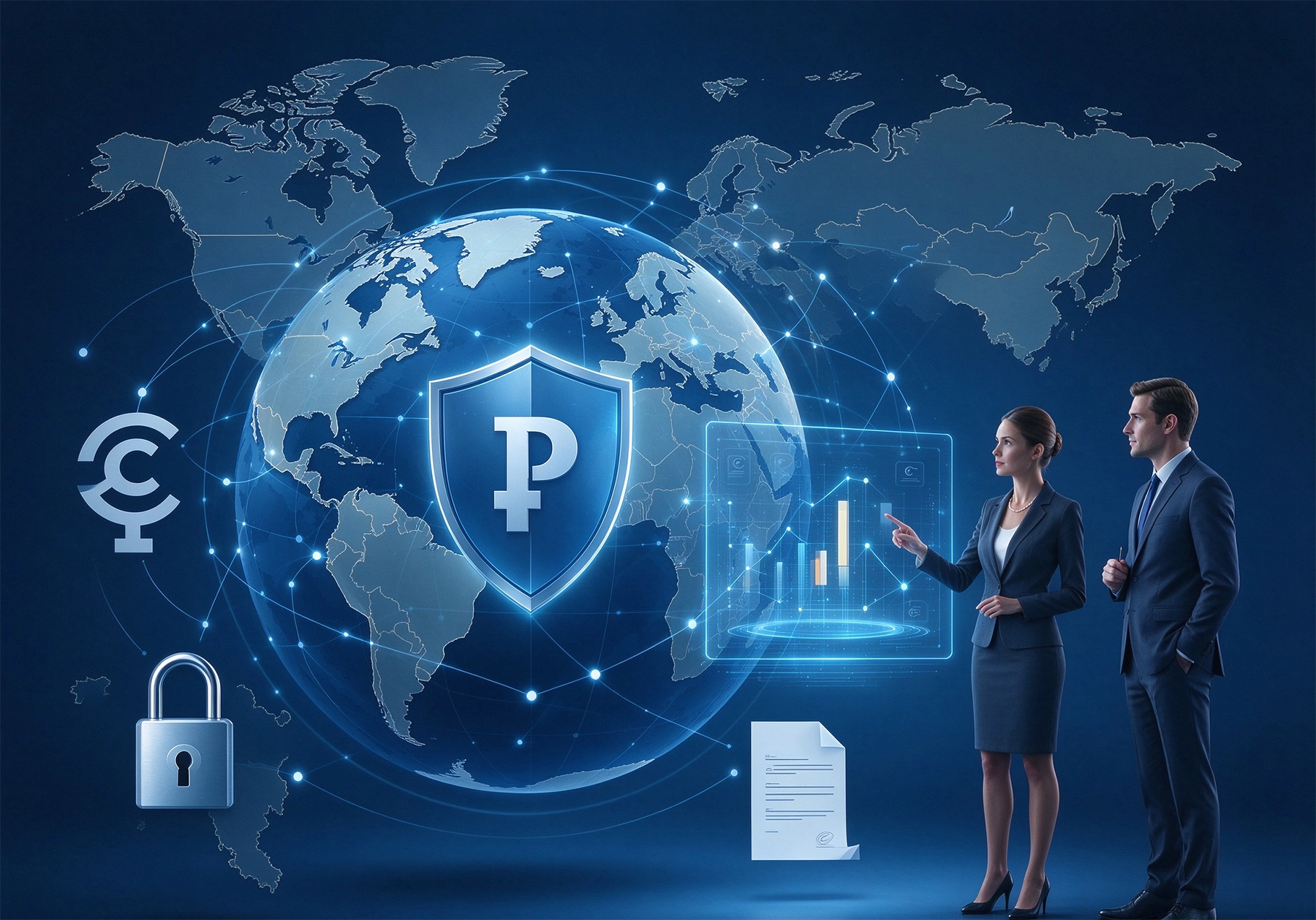
Your Pcb Design represents far more than a set of manufacturing instructions. It contains the logic that makes your product function, the layout decisions that optimize performance, and the innovations that differentiate your offering in a crowded marketplace. For overseas clients, these assets travel across borders, passing through multiple hands and systems before a finished board arrives at your door. Each handoff point represents a potential exposure, and for companies in regulated industries such as medical devices, aerospace, Automotive Electronics, and defense systems, even minor IP leakage can translate into significant competitive damage, regulatory complications, or lost market advantage.
We understand that trust is not assumed—it is earned through consistent action. Overseas clients frequently cite IP concerns as their primary hesitation when selecting a manufacturer, and we have invested substantially in creating an environment where that concern fades into the background, replaced by confidence in our processes. Our approach treats intellectual property protection not as a compliance checkbox but as a core operational principle that influences everything from how we hire and train staff to how we architect our IT infrastructure.
Protecting your intellectual property requires more than a single security measure. Real protection comes from layering multiple safeguards so that compromising one layer does not expose your designs. Our framework operates across four distinct domains: physical security, digital security, personnel security, and contractual security. Each layer reinforces the others, creating a comprehensive shield that overseas clients can rely on throughout their engagement with us.
The foundation of our approach is recognizing that intellectual property exists in many forms—digital files, physical prototypes, process documentation, and even verbal discussions during engineering consultations. Each form requires different protective measures, and our framework addresses every medium where your proprietary information might exist.
Our production facilities operate under strict access controls that limit who can enter specific areas and what materials they can handle. Client-specific projects are isolated within designated production zones, and personnel access is granted based on project assignment rather than general facility access. This compartmentalization means that employees working on your project see only the information relevant to your boards, reducing unnecessary exposure across the organization.
Physical prototypes and sample boards move through controlled chains of custody, similar to how sensitive documents are tracked in legal or financial environments. Every transfer is logged, and the individuals responsible for each stage are recorded in our tracking system. For clients with particularly sensitive requirements, we can implement dedicated production lines where your boards are manufactured in isolation from any other client work, eliminating cross-contamination risks entirely.
Visitor access is restricted and monitored. Any external visitor entering production areas must be pre-approved, escorted at all times, and their presence logged with timestamps. We maintain video surveillance in key areas, not as a surveillance measure but as a deterrent and accountability tool that protects both our clients and our team members.
Digital files representing your PCB designs are encrypted at rest and in transit, using industry-standard encryption protocols that render your data unreadable to anyone without proper authorization. Our file servers use AES-256 encryption for stored files, and all data transfers between our systems and your engineering teams occur over encrypted channels that prevent interception during transmission.
Access to client design files is governed by role-based permissions that ensure only personnel directly involved in your project can view or manipulate your data. Our IT systems maintain comprehensive audit logs that record every access event, creating a verifiable record of who touched your files and when. These logs are retained and can be provided to clients upon request, offering transparency into how their data is handled throughout production.
We operate air-gapped systems for highly sensitive projects where clients require absolute network isolation. These systems are physically disconnected from our broader network infrastructure and the internet, ensuring that design files cannot be transmitted electronically from these environments without explicit, logged authorization. For clients developing cutting-edge technologies or operating in highly competitive markets, this option provides the highest level of digital isolation available.
Every client engagement begins with a signed Non-Disclosure Agreement that clearly defines what information is considered confidential, how it may be used, and the consequences of any breach. Our standard NDA covers all project-related communications, files, samples, and even the existence of the business relationship itself if client preference dictates that level of discretion.
We maintain dedicated legal counsel familiar with international IP law to ensure our agreements meet the standards required by clients operating under various jurisdictions. For European clients concerned with GDPR compliance or North American clients with state-level trade secret protections, we can tailor our agreements to address jurisdiction-specific requirements without compromising our core protective measures.
Our internal contracts with employees and contractors include provisions that extend client confidentiality obligations beyond the term of employment, ensuring that the protections we establish today continue to guard your information even after individuals leave our organization. These post-employment confidentiality clauses are not punitive but serve as a meaningful deterrent against opportunistic information sharing.
Technology alone cannot protect your intellectual property. The human element is both the most vulnerable point and potentially the strongest line of defense. We invest heavily in training every team member who handles client projects to understand not just how to protect information but why it matters. When engineers and production staff understand that a leaked design could damage a client's business, they become active participants in protection rather than passive observers.
Security awareness training begins during onboarding and continues through regular refresher sessions that address evolving threats and reinforce best practices. Topics covered include secure file handling, recognizing social engineering attempts, proper password management, and incident reporting procedures. We conduct simulated phishing exercises to test awareness and identify individuals who might need additional training support.
Our culture of confidentiality means that discussing client projects outside of approved professional contexts is not just discouraged—it is grounds for disciplinary action. Team members understand that the trust our clients place in us is only possible because everyone in the organization treats that trust as sacred. This cultural dimension is what transforms procedural compliance into genuine protection.
Intellectual property threats evolve constantly, and so do our defenses. We conduct regular security assessments that examine our physical infrastructure, digital systems, and operational procedures for vulnerabilities. These assessments are performed by both internal teams and external security consultants who bring fresh perspectives and industry-standard evaluation frameworks.
We actively solicit feedback from overseas clients about their security concerns and preferences, using this input to refine our protections over time. A client who operates in a highly regulated industry may have requirements that push us to implement additional measures, and those enhancements often benefit our entire client base as we incorporate lessons learned into standard practice.
Our commitment to continuous improvement means that when we identify a gap in our defenses or learn of a new threat vector, we move quickly to address it. We do not wait for an incident to prompt change; we pursue proactive enhancement because our clients deserve protection that stays ahead of emerging risks rather than reacting to them after damage has occurred.
From your first inquiry through the delivery of your finished boards, you will interact with a team that treats your intellectual property as if it were our own. We provide clear communication about our security measures, answer your due diligence questions directly, and offer facility tours or virtual inspections so you can verify our claims in person. We understand that overseas clients cannot monitor our operations daily, and we strive to provide transparency that makes remote oversight unnecessary.
Your project manager serves as a single point of contact who understands both your technical requirements and your confidentiality expectations. This person coordinates access permissions, manages information flow, and ensures that every team member involved in your project is briefed on the specific protections your work requires. You should never wonder who has access to your files or whether your information is handled appropriately—our processes are designed to make the answer always clear.
Can we request dedicated production facilities for our most sensitive projects?
Yes, we can arrange isolated production lines for clients with heightened security requirements, ensuring complete separation of your boards from any other work during manufacturing.
What encryption standards do you use for data at rest and in transit?
We use AES-256 encryption for stored files and TLS 1.3 for all data transmissions, meeting or exceeding the security standards expected by clients in regulated industries.
Can we conduct a security audit or facility tour before placing an order?
We welcome security audits and facility tours as part of our standard due diligence process. Many overseas clients find that an in-person visit provides the confidence they need to move forward.
How quickly can you implement additional security measures for a project with unusual requirements?
We typically can implement enhanced security protocols within a few days of receiving a request, depending on the specific measures involved. Our flexible infrastructure allows us to adapt to varying client needs without lengthy reconfiguration periods.
What happens to our data after a project is completed?
Upon project completion and client direction, we securely delete all project files from our active systems and provide confirmation of that deletion. We maintain archived backups for a limited period as required for quality and warranty purposes, and these archives remain under the same security protocols as active files.
Contact us to discuss your requirements and learn how our intellectual property protection measures can safeguard your PCB designs throughout the Manufacturing Process.

PCB Prototype Pricing Models: Panelization and Setup Fees ExplainedAugust/12/2026

10 Questions to Ask Your Potential PCB Prototype Manufacturer in ChinaJuly/07/2026

Evaluating a China Multilayer PCB Manufacturer: Certifications and CapabilitiesSeptember/11/2026
PCB Prototype Manufacturing in China: Complete GuideMay/18/2026
IoT Devices and the Demand for Compact, Low-Cost PCB PrototypesJuly/31/2026

Bridging the Gap: Moving from PCB Prototype to Mass ProductionOctober/09/2026

Top 10 DFM Tips to Avoid Errors in Your Next PCB OrderJune/18/2026

China vs. Local PCB Suppliers: Analyzing Cost, Quality, and Lead TimeJuly/22/2026