Open Nav

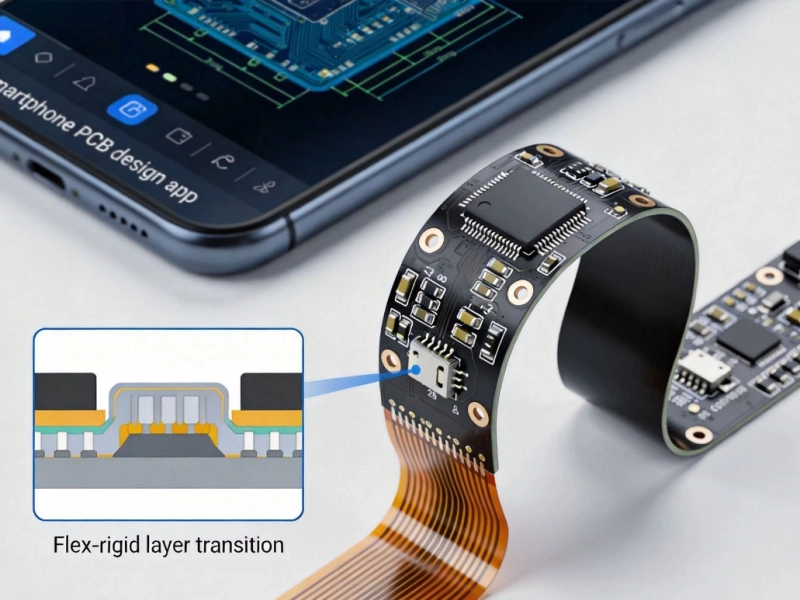
In the relentless pursuit of smaller, lighter, and more powerful electronic devices, Flexible Printed Circuit Boards (FPC) have emerged as the unsung heroes of modern engineering. Often referred to as "soft boards," FPCs are constructed on flexible dielectric substrates that allow them to bend, fold, and twist without breaking the conductive pathways. This comprehensive guide breaks down the fundamental types, critical materials, and wide-ranging applications that make FPCs indispensable in today's tech landscape.
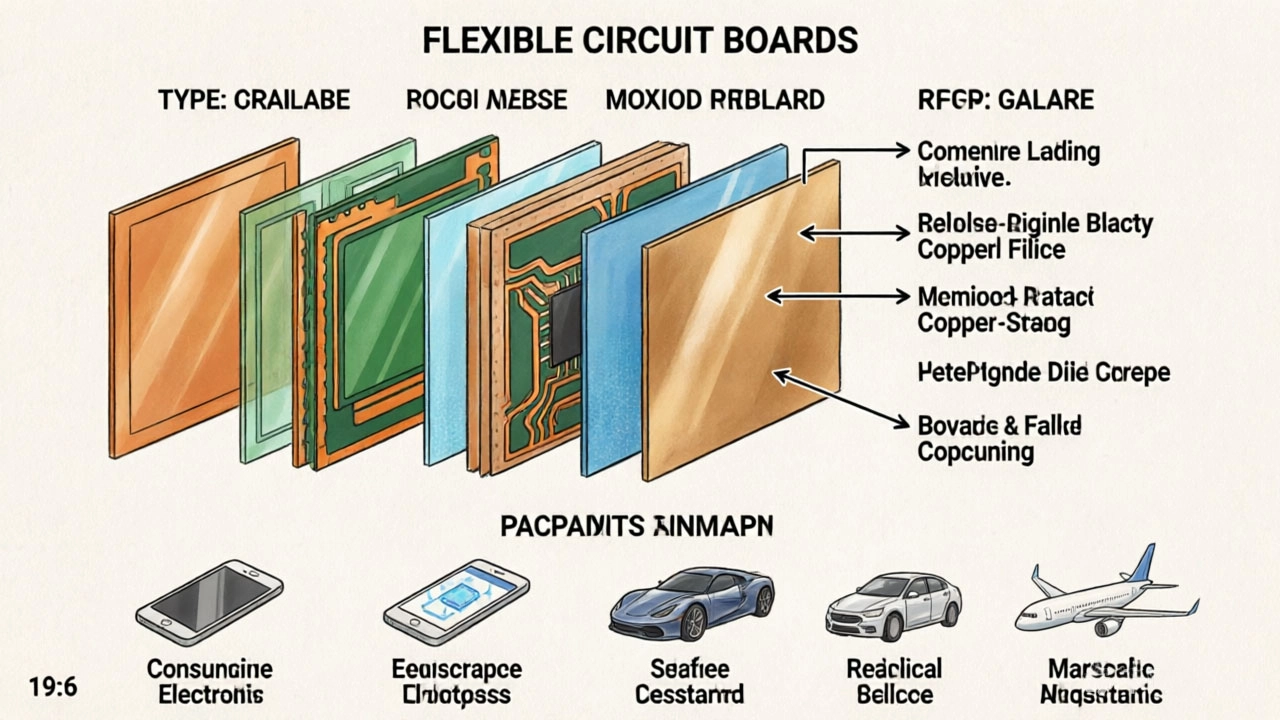
FPCs are categorized based on their structural complexity and layer configurations, each serving specific design requirements:
The performance, durability, and application scope of an FPC are heavily dependent on its raw materials:
Polyimide (PI) is the industry standard due to its exceptional thermal stability (withstanding temperatures from -200°C to 400°C), chemical resistance, and superior flexibility. For high-frequency applications like 5G antennas, Liquid Crystal Polymer (LCP) is preferred because of its ultra-low dielectric loss. Polyester (PET) is occasionally used for low-cost, low-temperature consumer applications, though it lacks the thermal resilience of PI.
Copper is the primary conductor. Electrodeposited (ED) copper is economical and suitable for static bending applications. However, for dynamic flexing (e.g., folding smartphones), Rolled Annealed (RA) copper is mandatory. RA copper possesses a smoother grain structure that can endure hundreds of thousands of bending cycles without fracturing.
Coverlay (typically PI film with adhesive) is applied to insulate and protect exposed traces. To facilitate component mounting and provide structural support in specific zones, engineers apply stiffeners made from FR4, stainless steel, or thicker PI films.
The unique ability of FPCs to save space and reduce weight has led to their widespread adoption:
Understanding the types, materials, and applications of Flexible Circuit boards is essential for any hardware engineer or product designer. As the demand for Miniaturization and dynamic form factors continues to grow, FPC technology will only become more advanced, pushing the boundaries of what electronic devices can achieve.
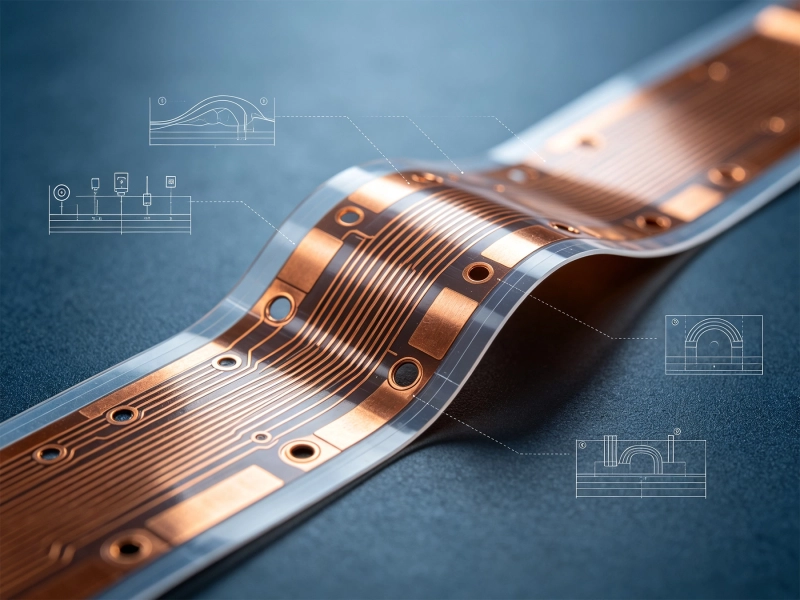
How to Prevent Common Failures in Flexible Circuit DesignSeptember/09/2026
How DFM Analysis Saves You Money on Multilayer PCBsAugust/19/2026
Blind and Buried Vias: Enhancing Density in HDI PCBsSeptember/30/2026
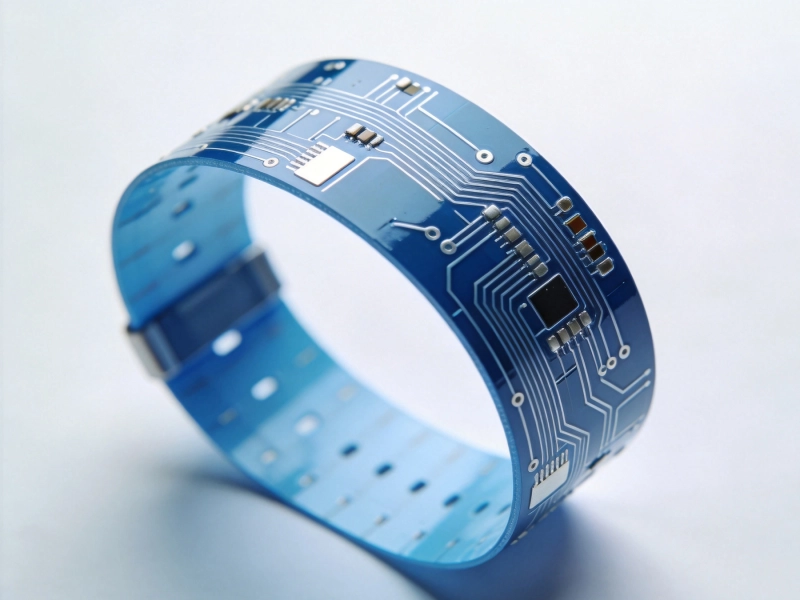
Wearable Health Monitors: The Importance of Biocompatible Flex PCBsSeptember/02/2026
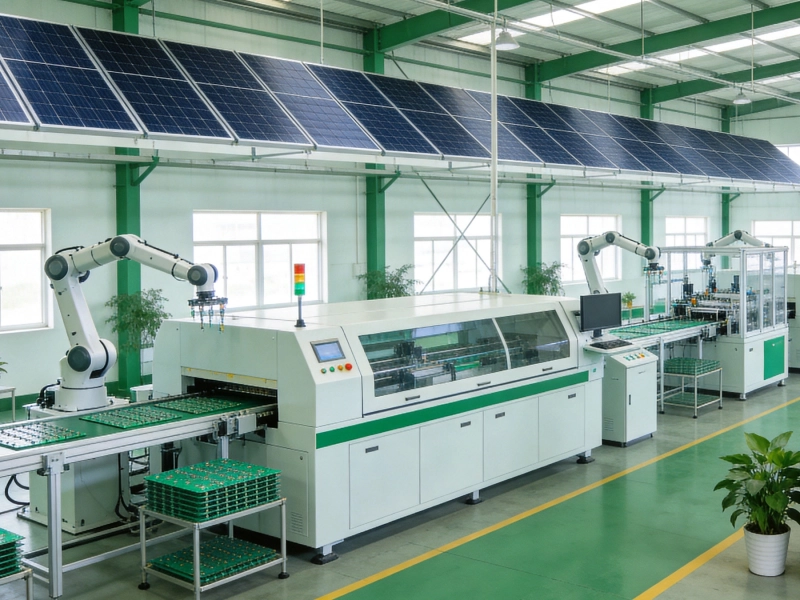
Sustainability in PCB Fabrication: Eco-Friendly Materials and ProcessesJuly/01/2026
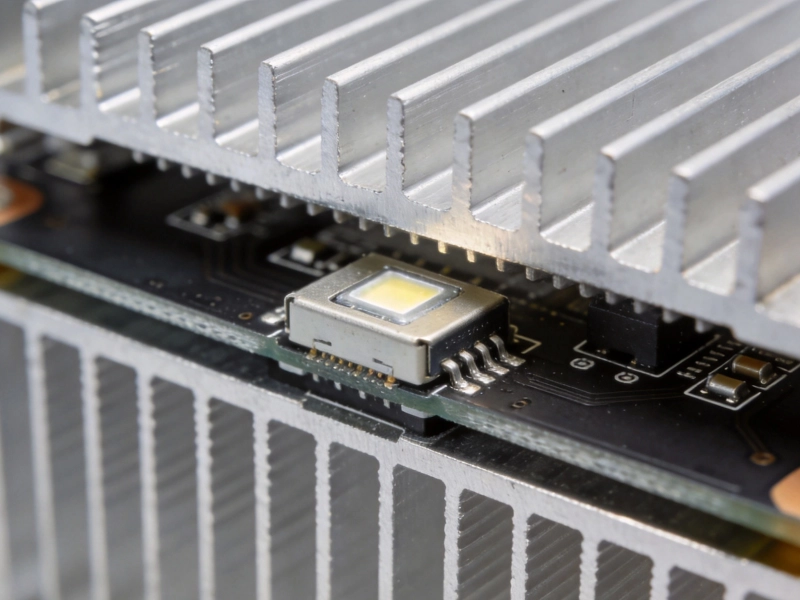
Metal Core PCB (MCPCB) Basics: Aluminum vs. Copper SubstratesSeptember/29/2026
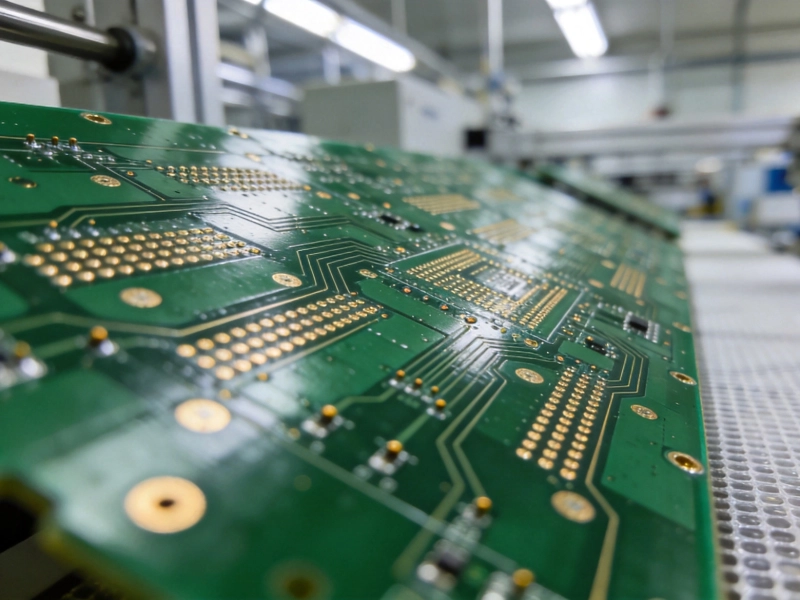
The Hidden Costs of Cheap PCBs: Why Quality MattersJuly/23/2026
What is Rigid-Flex PCB? Complete Guide from China ManufacturerMay/18/2026