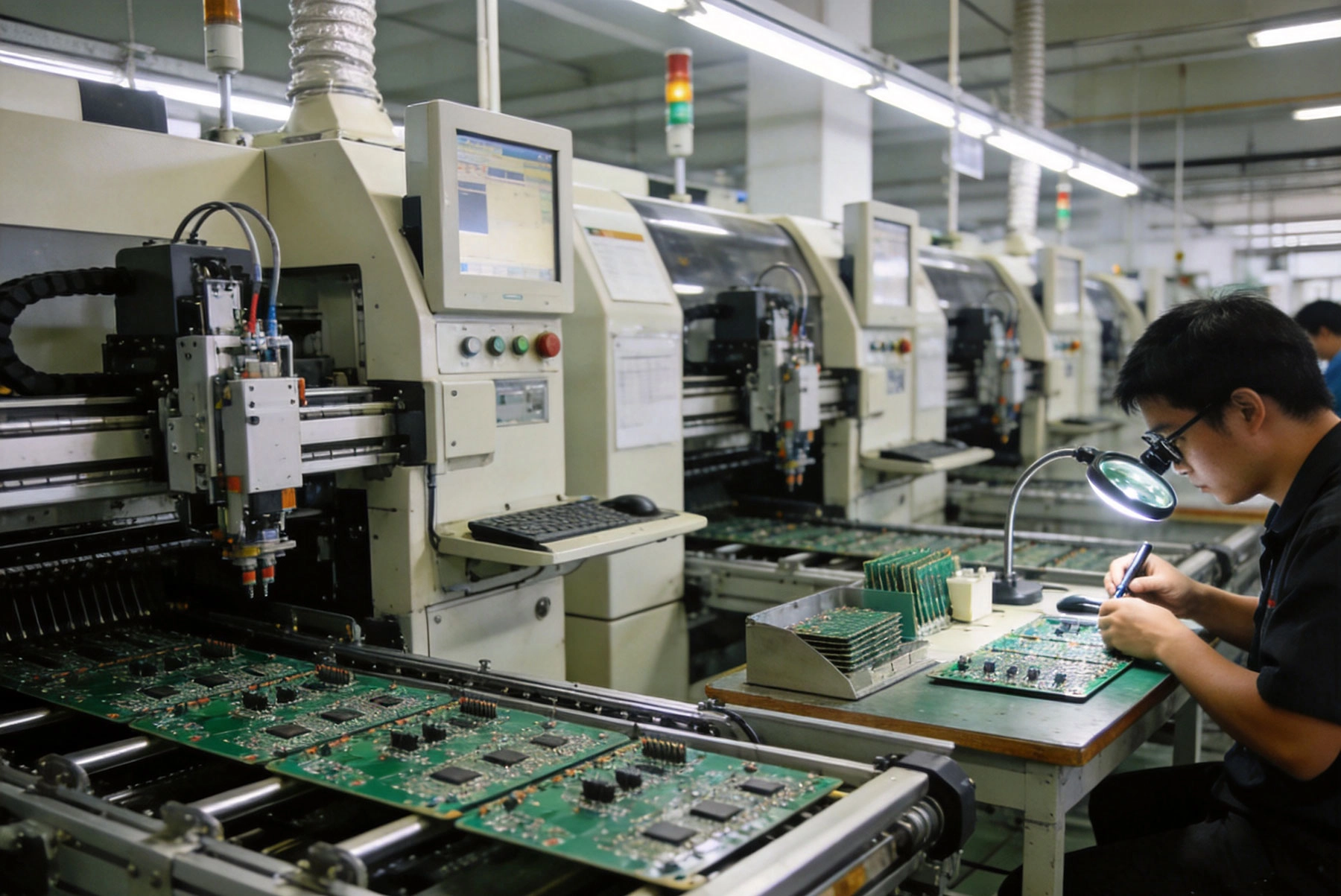
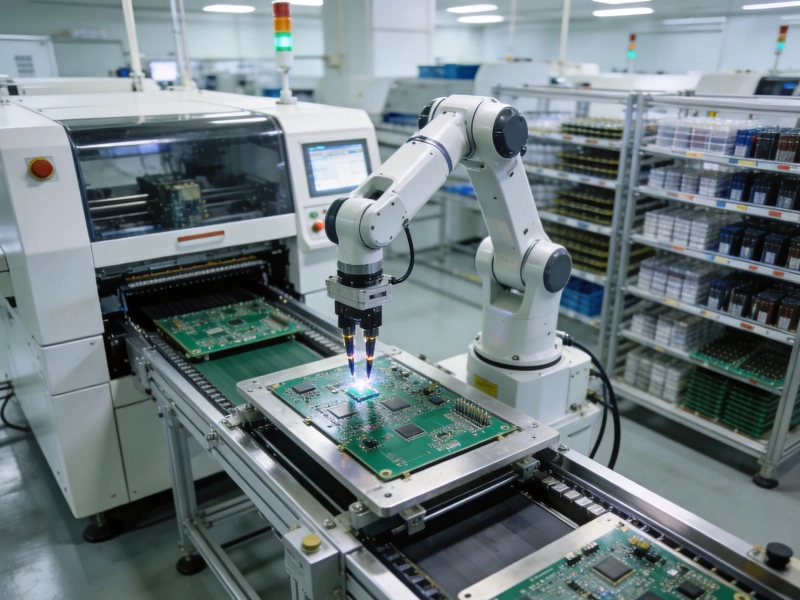
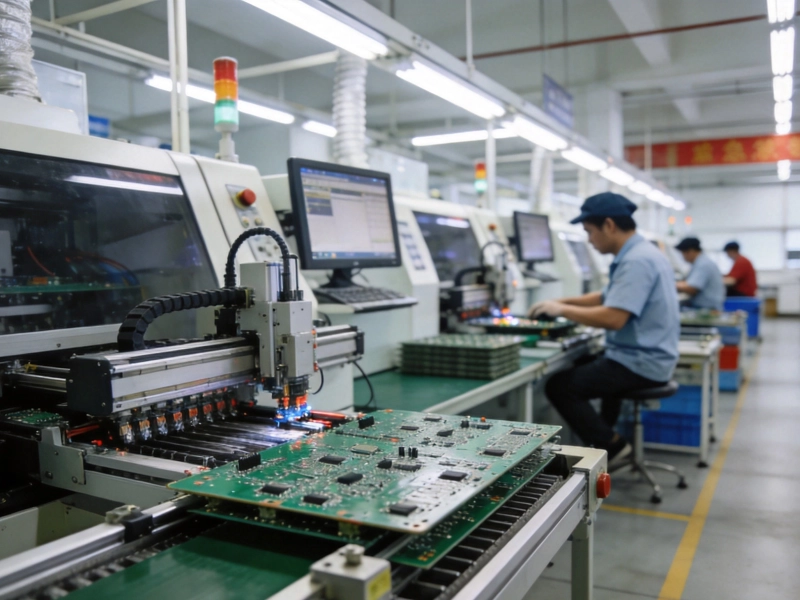
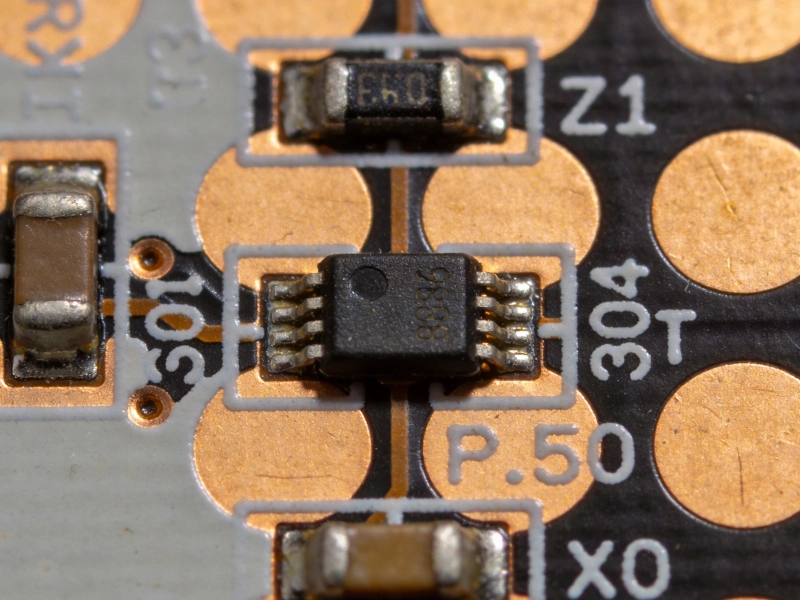
China has emerged as the world's dominant hub for Electronics Manufacturing, and SMT PCB Assembly in China represents the intersection of advanced technology, massive production capacity, and competitive economics. Whether you're developing consumer electronics, industrial equipment, automotive components, or aerospace systems, understanding how to leverage China's Smt Assembly capabilities can determine your product's success.
This comprehensive guide covers everything you need to know about SMT PCB Assembly in China—from the advantages that make it attractive to global companies, through the capabilities and standards you can expect, to the practical considerations for selecting and working with Chinese manufacturing partners. By the end, you'll have the knowledge to make informed decisions about whether and how to incorporate China-based Smt Assembly into your supply chain.

Why China for SMT Assembly?
Economic Advantages
China's dominance in Electronics Manufacturing isn't accidental—it's built on structural economic advantages:
- Lower manufacturing costs: Labor costs, while rising, remain 30-70% lower than Western alternatives for equivalent quality
- Economies of scale: Massive production volumes drive per-unit costs down dramatically
- Integrated supply chain: Component sourcing, fabrication, and assembly co-located reduce logistics costs
- Competitive component pricing: Close proximity to component distribution centers yields lower parts costs
Technology and Capability
China has invested heavily in advanced manufacturing infrastructure:
- State-of-the-art equipment: Many Chinese Manufacturers operate equipment comparable to Western facilities
- Trained workforce: Large pool of engineers and technicians with electronics manufacturing expertise
- Rapid technology adoption: Quick adoption of new technologies and process improvements
- Automation investment: Significant investment in automation for consistent quality and high volume
Scale and Flexibility
China offers unmatched production flexibility:
- Volume ranges: From prototype quantities to millions of units annually
- Quick ramp-up: Ability to scale production rapidly to meet demand
- Diverse capabilities: From standard through-hole to complex HDI and rigid-flex assemblies
- Multiple service levels: Low-cost basic assembly to premium, high-mix low-volume services
China's SMT Assembly Capabilities
Component Handling
Chinese Manufacturers handle the full range of SMT components:
- 0201 and 01005 components: Ultra-fine pitch parts for space-constrained designs
- BGA and QFN devices: Advanced Packaging requiring precise placement and inspection
- Fine-pitch ICs: Components with 0.4mm pitch and below
- : Combined SMT and through-hole assembly
- Large components: Connectors, transformers, and high-power devices
Assembly Technologies
Advanced capabilities for demanding applications:
Testing and Quality Control
Comprehensive quality verification:
- Automated Optical Inspection (Aoi): Standard on all production runs
- In-circuit testing (ICT): Electrical verification of assembled boards
- Functional testing: Board-level performance verification
- X-ray Inspection: For BGA, QFN, and other hidden solder joints
- Burn-in testing: Accelerated life testing for critical applications
Quality Standards and Certifications
International Standards
Leading Chinese manufacturers maintain international certifications:
Industry-Specific Certifications
Specialized manufacturing for regulated industries:
- IATF16949: Automotive Quality Management standard
- Iso 13485: Medical device quality management
- AS9100: Aerospace quality management system
- Military specifications: For defense applications (varies by manufacturer)
Quality Management Practices
Behind certifications, rigorous quality practices:
- Statistical process control (SPC): Real-time monitoring of critical parameters
- First article inspection: Comprehensive testing before production start
- Corrective action processes: Systematic response to quality issues
- Continuous improvement: Ongoing process optimization and capability enhancement
Pricing and Cost Considerations
Price Drivers
Understanding what affects Smt Assembly Pricing in China:
- Volume: Higher volumes deliver significant per-unit cost advantages
- Component count: More components increase assembly time and cost
- Component types: Fine-pitch and BGA components cost more to assemble
- Assembly complexity: HDI, rigid-flex, and complex assemblies command premium pricing
- Testing requirements: Functional testing, ICT, and burn-in add cost
- Turnkey vs. consignment: Turnkey (CM provides components) vs. consignment (you provide parts)
Typical Pricing Structure
Pricing typically includes multiple components:
- NRE (non-recurring engineering): Setup Fees for first production run
- Per-unit assembly cost: Labor and overhead for each board
- Component costs: Part costs (in turnkey arrangements)
- Testing fees: Additional charge for functional testing or burn-in
- Stencil costs: One-time cost for solder paste stencil fabrication
Cost-Saving Strategies
Optimize costs without compromising quality:
- Volume consolidation: Combine multiple SKUs into larger runs
- Design For Manufacturability (Dfm): Reduce assembly complexity through smart design
- Component standardization: Use common components across designs
- Testing optimization: Focus testing on critical parameters rather than blanket approaches
- Long-term partnerships: Volume commitments and ongoing relationships improve pricing
Lead Times and Production Scheduling
Typical Lead Times
Lead times vary by complexity and service level:
- Prototype assembly: 5-10 business days for simple designs
- Low-volume production: 2-3 weeks for standard assemblies
- Medium-volume production: 3-4 weeks for complex designs
- High-volume production: 4-8 weeks, depending on scheduling and capacity
- Rush services: Available at premium pricing (50-100%+ surcharge)
Scheduling Considerations
Plan production timing strategically:
- Peak seasons: Chinese New Year (late January/early February) causes 2-3 week shutdowns
- Capacity constraints: High-demand periods may extend lead times
- Component availability: Long-lead components affect overall lead time
- Documentation preparation: Complete documentation reduces lead time
Buffer Planning
Build realistic timelines:
- Documentation time: Allow 3-5 days for Dfm review and clarification
- Material procurement: Account for component sourcing time in turnkey arrangements
- Weather the unexpected: Build 10-20% buffer for unforeseen delays
- International Shipping: Add International Shipping time to production lead times
Selecting a Chinese Manufacturing Partner
Capability Assessment
Verify manufacturing capabilities match your needs:
- Component capability: Can they handle your component types and pitches?
- Volume capacity: Do they have capacity for your projected volumes?
- Quality certifications: Do they hold relevant industry certifications?
- Testing capabilities: Do they offer the testing you require?
- Quality systems: Are quality management systems documented and effective?
Technical Support
Evaluate engineering support capabilities:
- DFM reviews: Do they provide proactive design feedback?
- Engineering team: Are qualified engineers available for consultation?
- Problem-solving approach: How do they handle technical challenges?
- Communication capabilities: Language proficiency and communication effectiveness
Quality and Reliability Track Record
Investigate quality history:
- First-pass yields: Typical yield rates for their processes
- Quality metrics: Defect rates, PPM levels, return rates
- Customer references: Speak with similar customers about their experience
- Improvement initiatives: Evidence of ongoing quality improvement efforts
Questions to Ask Potential Partners
Engage potential suppliers with targeted questions:
- What is your minimum and maximum production capacity?
- What certifications do you hold, and when is your next audit?
- Can you provide recent customer references in my industry?
- What DFM support do you offer?
- What are your typical first-pass yields?
- How do you handle quality issues and customer complaints?
- What is your typical lead time for assemblies of my complexity?
- Can you accommodate rush orders if needed?
Working with Chinese Manufacturers
Communication Strategies
Effective communication bridges cultural and distance gaps:
- Clear specifications: Detailed documentation reduces ambiguity
- Visual communication: Use diagrams, photos, and video for complex requirements
- Confirmation loops: Repeat back and confirm understanding of requirements
- Regular updates: Establish regular communication cadence
- Time zone awareness: Schedule meetings at mutually convenient times
Documentation Expectations
Submit comprehensive documentation:
- Gerber files: Complete set including all layers
- BOM: Detailed bill of materials with specifications
- Pick-and-place files: Coordinates for automated placement
- Assembly drawings: Special assembly instructions or requirements
- Testing specifications: Test requirements and acceptance criteria
Quality Management
Establish quality expectations:
- Acceptable quality level (AQL): Specify acceptable defect levels
- Inspection requirements: Aoi, ICT, functional testing requirements
- Documentation delivery: What quality documentation you expect
- Issue response procedures: How to handle quality concerns
Payment and Commercial Terms
Understand commercial arrangements:
- Payment terms: Typical 30-50% deposit, balance before shipment
- Currency: Most manufacturers prefer USD or RMB
- Incoterms: Shipping and responsibility terms (FOB, CIF, etc.)
- Warranty provisions: Coverage for quality issues
- Intellectual Property Protection: IP protection clauses in contracts
Common Challenges and Solutions
Language and Cultural Differences
Address communication barriers:
- Use written communication: Written documentation reduces misunderstanding
- Confirm understanding: Ask for confirmation of requirements
- Be patient: Allow time for translation and clarification
- Use technical specifications: Quantitative specifications reduce ambiguity
Time Zone and Distance
Manage geographic challenges:
- Schedule wisely: Find mutually convenient meeting times
- Asynchronous communication: Use email and documentation for non-urgent matters
- Local representatives: Consider using local agents or representatives
- Extended timelines: Build extra time for communication delays
Intellectual Property Concerns
Protect your intellectual property:
- Legal agreements: NDA and IP protection clauses in contracts
- Split manufacturing: Distribute sensitive work across multiple suppliers
- Architecture design: Design systems that minimize IP exposure
- Regular audits: Periodic audits of IP protection measures
Quality Consistency
Ensure consistent quality across production:
- Rigorous qualification: Thorough supplier qualification before production
- Ongoing monitoring: Regular quality reviews and audits
- Clear specifications: Detailed, unambiguous quality requirements
- Quick issue response: Fast response to quality concerns
Future Trends in China's SMT Assembly
The industry continues evolving:
- Automation investment: Increasing automation for consistency and Cost Reduction
- Advanced capabilities: Growing capability for complex assemblies and new technologies
- Sustainability focus: Environmental considerations and green manufacturing practices
- Skill development: Investment in workforce training and development
- Value-added services: Integration of design, testing, and support capabilities
Key Takeaways
- China offers compelling economic advantages for SMT assembly through lower costs, scale, and integrated supply chains
- Chinese manufacturers provide capabilities ranging from standard assembly to complex HDI and rigid-flex technologies
- Leading manufacturers maintain international certifications (Iso 9001, IATF16949, Iso 13485) and rigorous quality systems
- Pricing is driven by volume, component count, complexity, and testing requirements with strategic cost-saving options
- Lead times range from 5-10 days for prototypes to 4-8 weeks for high-volume production
- Select partners based on capability, technical support, quality track record, and communication effectiveness
- Effective communication, comprehensive documentation, and clear quality expectations are essential for success
- Challenges include language/cultural differences, time zones, IP protection, and quality consistency—each manageable with proper approach
- The industry continues evolving with automation, advanced capabilities, and value-added service integration
- Success requires thoughtful partner selection, clear communication, and ongoing relationship management
Frequently Asked Questions
How do I find reliable SMT assembly manufacturers in China?
Start with industry directories, trade shows, and recommendations from colleagues. Request capability documentation, certifications, and customer references. Start with pilot projects to evaluate capability and communication before committing to larger volumes. Consider working with sourcing agents or consultants with China Manufacturing experience for initial identification and qualification. Prioritize manufacturers with direct English-speaking engineering contacts and clear communication processes.
What quality standards should I expect from Chinese manufacturers?
Minimum expectations include ISO 9001 certification and Ipc Standards compliance. For automotive applications, expect IATF16949 certification. Medical applications require ISO 13485. Aerospace applications require AS9100. Beyond certifications, look for evidence of functional quality systems: statistical process control, first-article inspection procedures, documented corrective action processes, and continuous improvement initiatives. Request recent quality metrics (first-pass yields, defect rates) and customer references.
How much can I save by using China vs. Western manufacturers?
Savings vary by complexity and volume, but typical ranges: 30-50% for standard assemblies, 20-40% for complex assemblies with fine-pitch components, 10-30% for specialized assemblies requiring advanced capabilities. High volume production (100,000+ units) delivers greater savings than low volume. However, consider Total Cost Of Ownership: logistics, potential quality issues, communication costs, and IP protection efforts. For complex, high-reliability applications, Western manufacturers may offer advantages that offset price differences.
What are the lead time differences between China and Western manufacturers?
Chinese manufacturers often have shorter lead times for standard assemblies due to capacity and component proximity advantages. However, international shipping adds time, and communication delays can extend actual lead times. Western manufacturers may have faster turnaround for high-mix low-volume production due to proximity and communication advantages. Build appropriate buffer times into your planning: add 5-10 days for China vs. local manufacturing to account for shipping and communication delays. For critical schedules, consider local backup options or buffer inventory.
How do I protect my intellectual property when working with Chinese manufacturers?
Implement multiple layers of protection: legal agreements (NDAs, IP protection clauses), technical protection (split design files, limited access to complete documentation), commercial protection (contractual penalties for IP breaches), and monitoring (regular audits of IP protection measures). Consider using approved manufacturer lists and pre-qualifying IP protection processes. For highly sensitive designs, consider using Chinese manufacturers only for non-sensitive portions of production or using multiple suppliers for different components to limit IP exposure.
SMT Pcb Assembly in China offers compelling advantages for companies seeking cost-effective manufacturing without sacrificing quality. By understanding the capabilities, standards, pricing structures, and best practices outlined in this guide, you can make informed decisions about leveraging China's manufacturing infrastructure. Success requires thoughtful partner selection, clear communication, and ongoing relationship management—but with proper approach, Chinese SMT assembly can deliver significant competitive advantages.