
China's PCB Fabrication industry accounts for approximately 53% of global Pcb Production, making it the world's largest manufacturing hub with over 2,500 certified facilities ranging from small specialty shops to massive high-volume plants. For electronics manufacturers worldwide, understanding China's PCB Fabrication ecosystem isn't just an option—it's essential for maintaining competitive pricing while ensuring quality and delivery reliability. As global supply chains evolve, China remains the dominant force in Pcb Manufacturing, combining advanced technology, cost efficiency, and production capacity at scales unmatched elsewhere.
This guide provides international buyers with comprehensive insights into China's Pcb Fabrication landscape, from supplier selection criteria and Quality Control strategies to cost optimization techniques and logistics considerations. Based on 20+ years of experience serving global clients across electronics industries, we're sharing practical knowledge to help you navigate China's Pcb Manufacturing ecosystem successfully.

The Chinese PCB industry has evolved beyond cost advantages to include genuine technical capabilities. While early China Pcb Manufacturing focused on low-cost, standard products, today's industry supports the world's most advanced electronics including smartphones, servers, Automotive Electronics, and medical devices. This evolution means international buyers can now source complex PCB technologies from China without sacrificing quality or reliability.
Beyond these tangible advantages, China's PCB industry offers geographic diversity enabling risk mitigation strategies. Major manufacturing hubs in southern China (Shenzhen, Dongguan), eastern China (Suzhou, Shanghai), and central China (Wuhan, Chengdu) provide geographic redundancy for international buyers concerned about regional disruptions. This geographic spread, combined with mature logistics infrastructure, ensures reliable global delivery.
Assess potential suppliers against your technical requirements before engaging in detailed discussions:
For new product development, we recommend initial supplier evaluation including sample builds to verify capability claims before committing to volume production. We provide sample build services at cost to potential clients, enabling capability verification with minimal risk.
Quality systems differentiate suppliers capable of supporting high-reliability applications:
In our experience, certifications represent the foundation but actual quality performance depends on implementation. We provide comprehensive quality reports including first-pass yield, defect analysis, and process capability data to clients enabling informed supplier selection decisions.
Supplier financial health impacts long-term reliability and capacity availability:
We've seen suppliers with impressive certifications struggle with capacity constraints and quality consistency during rapid growth phases. Financial stability combined with appropriate scale ensures consistent performance across production volume increases and technology transitions.
Design decisions significantly impact Pcb Fabrication costs:
Our engineering team provides Dfm reviews at no charge for all designs before production, identifying cost optimization opportunities without compromising electrical performance or reliability. Typical Dfm reviews identify 10-20% cost savings through Design Optimization.
Production quantity and schedule impact unit costs:
For ongoing production requirements, we recommend blanket purchase agreements establishing fixed pricing for anticipated volumes with defined lead times, enabling suppliers to optimize production planning and material sourcing while providing cost certainty for buyers.
Establish quality expectations before production begins:
We provide first article reports including detailed measurements, test data, and photographs for client approval before volume production begins, ensuring expectations are aligned and quality requirements understood.
Ongoing production monitoring ensures consistent quality:
Our clients receive regular production updates including photos from manufacturing lines, first article inspection reports, and test data enabling visibility into production progress and quality status throughout the Manufacturing Process.
We provide complete logistics management including customs documentation, freight forwarding, and delivery coordination for clients preferring full-service solutions, or we deliver to client-specified freight forwarders for clients with established logistics arrangements.
IP protection requires comprehensive strategies including formal legal protection (patents, trademarks, copyrights), Confidentiality Agreements with suppliers, design file access controls, physical protection of sensitive information, and supplier selection based on reputation and experience working with international clients. Most established Chinese PCB suppliers have experience protecting client IP and understand that protecting client intellectual property is essential for ongoing business relationships. We've maintained IP protection with thousands of clients over two decades and can provide references confirming our IP protection practices.
Lead times vary significantly based on board complexity, technology level, and supplier capacity. Standard lead times for simple double-sided boards range from 3-5 days, while complex multilayer boards (12+ layers) may require 7-10 days standard production. Express production is available for urgent requirements—typically 1-2 days for simple boards, 2-3 days for multilayer boards—at additional cost. Prototype production often has faster turnaround than volume production due to simplified handling. We provide accurate lead time commitments based on actual production schedules and offer expedited options when urgent delivery is required.
Certification requirements depend on application requirements. For general commercial applications, ISO 9001 certification represents the minimum quality system requirement. For automotive applications, IATF 16949 is required and automotive manufacturers often have additional supplier-specific requirements. Medical devices require ISO 13485 certification for quality systems supporting Medical Device Manufacturing. Aerospace applications may require AS9100 or NADCAP certifications for military and aerospace applications. Beyond certifications, evaluate actual quality performance including first-pass yield, defect rates, and customer complaint handling—certifications represent quality systems, but actual performance depends on implementation.
Payment terms typically evolve through buyer-supplier relationships. Initial engagements often require prepayment or payment upon shipment (typically 30-50% upfront, 50-70% upon shipment). Established relationships may offer more favorable terms including net 30 or net 60 days payment after shipment for qualified customers. Letter of credit options are available for larger transactions providing security for both parties. Payment methods include wire transfers (TT), PayPal for smaller transactions, and established payment platforms. We recommend beginning with conservative payment terms during initial engagements and evolving terms as supplier relationship and trust develops.
Minimum order quantities vary significantly based on board complexity, supplier specialization, and production capacity. Prototypes and small quantities (1-10 pieces) are widely available from many Chinese suppliers with no minimum order quantity requirements—these orders often have higher unit costs due to setup and handling requirements. Volume production typically has practical minimums of 50-100 pieces to amortize setup costs efficiently, though smaller quantities are available at higher unit costs. Specialized suppliers focused on prototype services may have no minimum order requirements but higher unit costs. Large-scale volume suppliers may require minimum quantities of 500-1,000 pieces or more to justify production setup. We accommodate quantities from single pieces through millions of pieces, adjusting pricing based on volume and complexity.
China's PCB fabrication industry offers international buyers unmatched combination of cost efficiency, technical capability, production capacity, and supply chain integration. Understanding the Chinese PCB landscape—from supplier selection criteria and Quality Control strategies to cost optimization techniques and logistics considerations—enables informed sourcing decisions that support product competitiveness while maintaining quality and delivery reliability.
Successful PCB sourcing from China requires strategic supplier relationships, comprehensive quality systems, and proactive communication. By applying the principles in this guide, international buyers can leverage China's PCB manufacturing advantages while mitigating risks and ensuring long-term supply chain reliability.
As a China PCB Manufacturer serving global clients for over two decades, we provide comprehensive support from initial design consultation through volume production and ongoing supply management. Our engineering team offers free DFM reviews, supplier capability assessments, and quality system evaluations to help you navigate China's PCB manufacturing ecosystem successfully.
Ready to optimize your PCB sourcing strategy with China Manufacturing? Contact us today for comprehensive supplier evaluation, Dfm Review, and production quotation. Our team will provide detailed analysis of your requirements, recommendations for supplier selection, and transparent pricing enabling informed sourcing decisions that support your product development and production objectives.
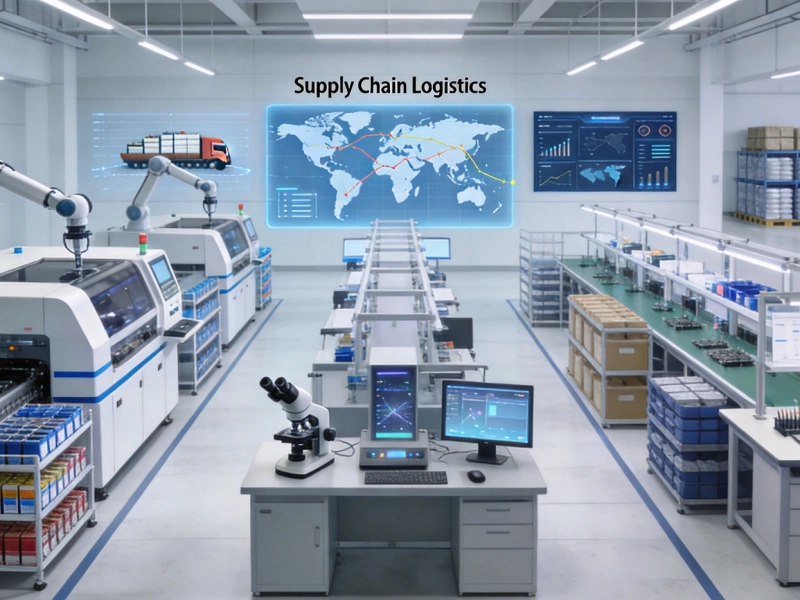
China vs. Local PCB Suppliers: Analyzing Cost, Quality, and Lead TimeJuly/22/2026
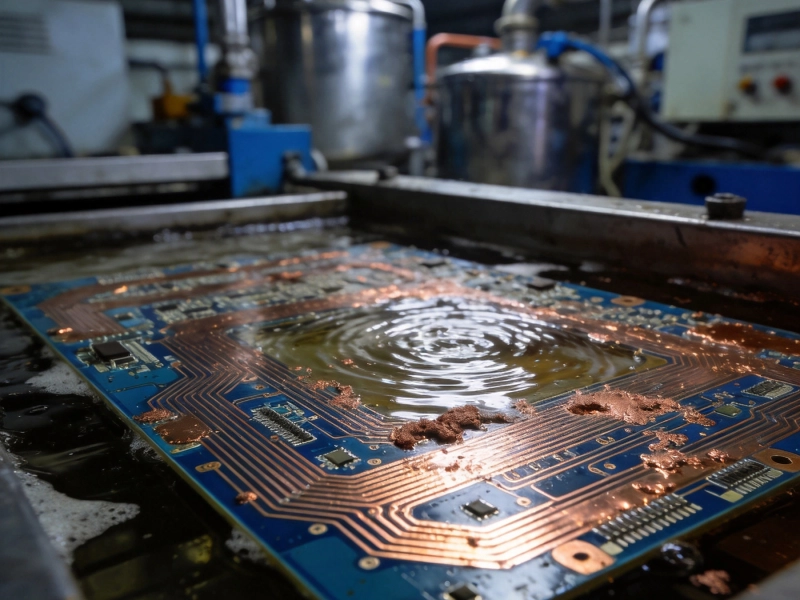
Heavy Copper PCB Etching: Challenges, Tolerances, and Precision SolutionsSeptember/10/2026
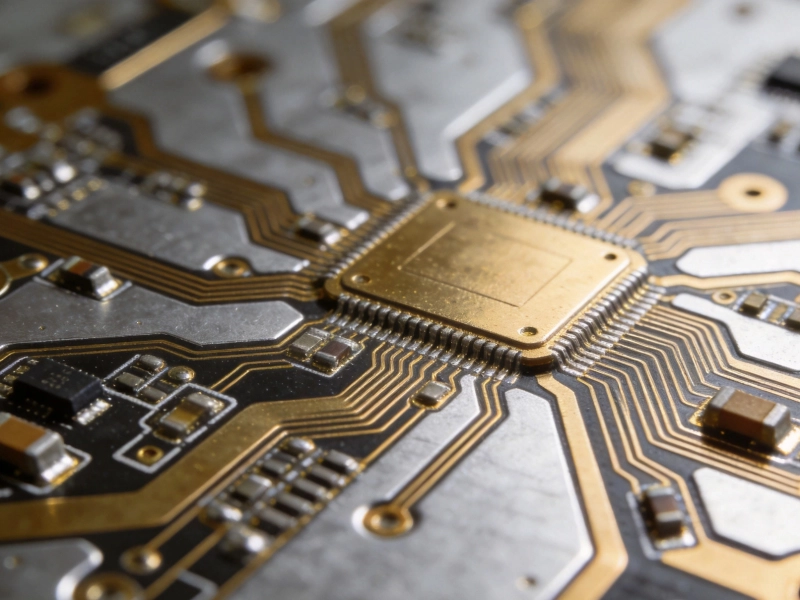
Understanding Surface Finishes: ENIG, HASL, OSP, and Immersion SilverJuly/21/2026
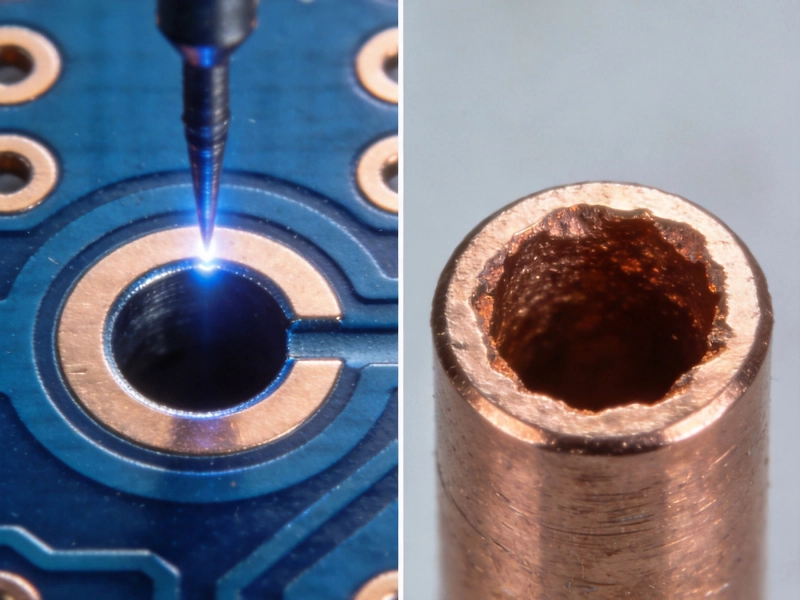
Laser Drilling vs. Mechanical Drilling: Precision in HDI ManufacturingJuly/07/2026
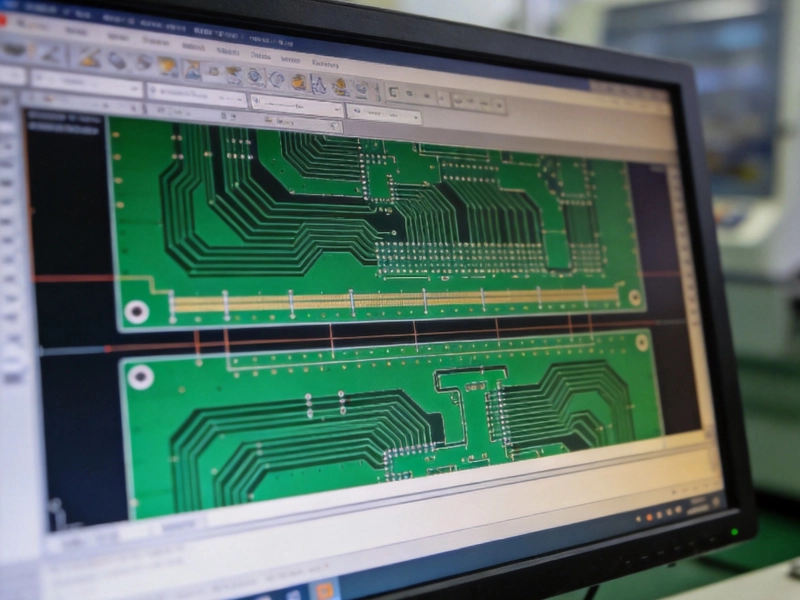
Preparing Your Gerber Files for a Smooth China PCB Fabrication ProcessSeptember/18/2026
Why Medical Devices Require Specialized High-Reliability PCB ManufacturersSeptember/15/2026

10 Questions to Ask Your Potential PCB Prototype Manufacturer in ChinaJuly/07/2026
Durability Requirements for Industrial IoT PCBs: Ensuring Reliability in Harsh EnvironmentsSeptember/03/2026