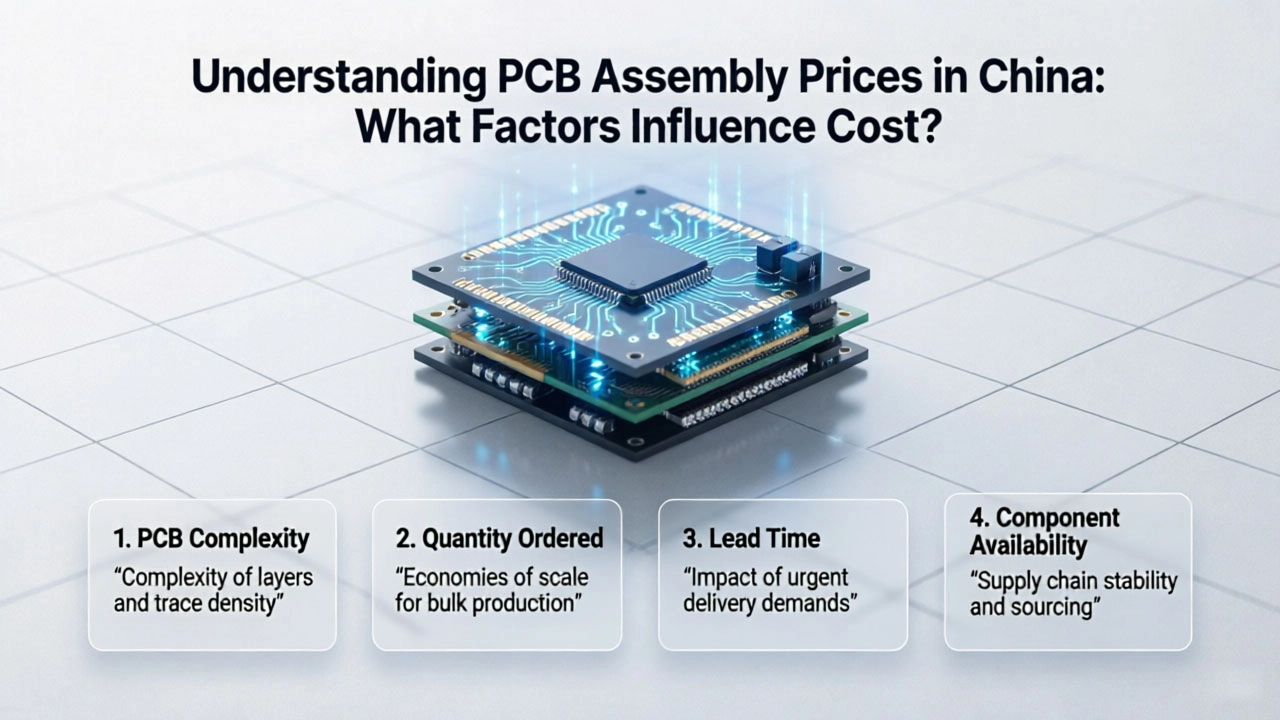
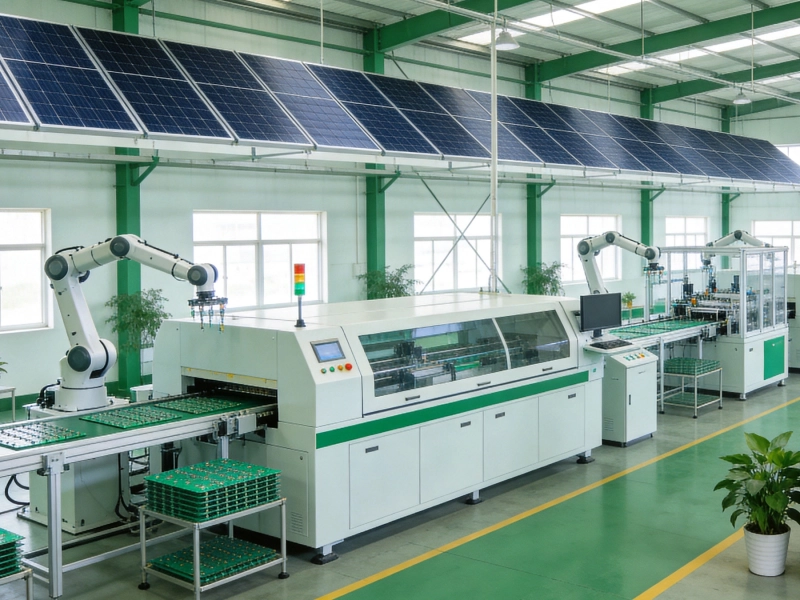
When hardware engineers and product managers look to scale their electronics, China often emerges as the top destination for manufacturing. The promise of high-volume production at competitive rates is undeniable. However, getting a handle on
Pcb Assembly prices in China can sometimes feel like navigating a maze. Why do two quotes for the exact same board design vary so wildly? The truth is,
Pcb Assembly is not a commodity; it is a highly customized service where pricing reflects a complex matrix of materials, processes, and hidden operational realities.
In this comprehensive guide, we will pull back the curtain on the Electronics Manufacturing industry. Drawing from real-world factory floors and supply chain experiences, we will break down the true drivers of cost so you can make smarter, more profitable sourcing decisions.

1. The Foundation: Bare
PCB Fabrication Costs
Before a single component is placed, the bare
Printed Circuit Board must be manufactured. The base price of the PCB itself is heavily influenced by its physical and electrical specifications. Understanding these variables is the first step in decoding PCB assembly prices in China.
Material Selection: Standard FR-4 is the most economical choice. However, if your design requires high-frequency performance, high thermal conductivity, or flexible substrates (like Polyimide), material costs can skyrocket. Specialized materials often require different lamination cycles and handling.
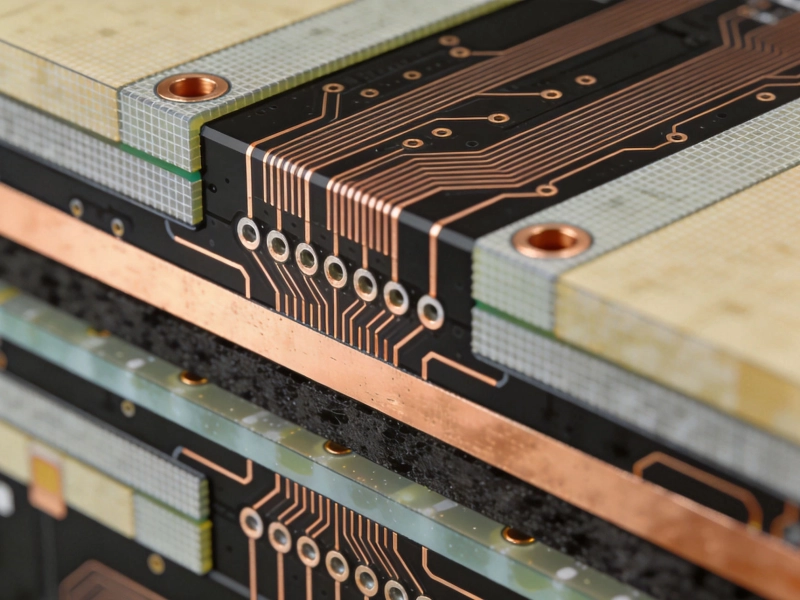
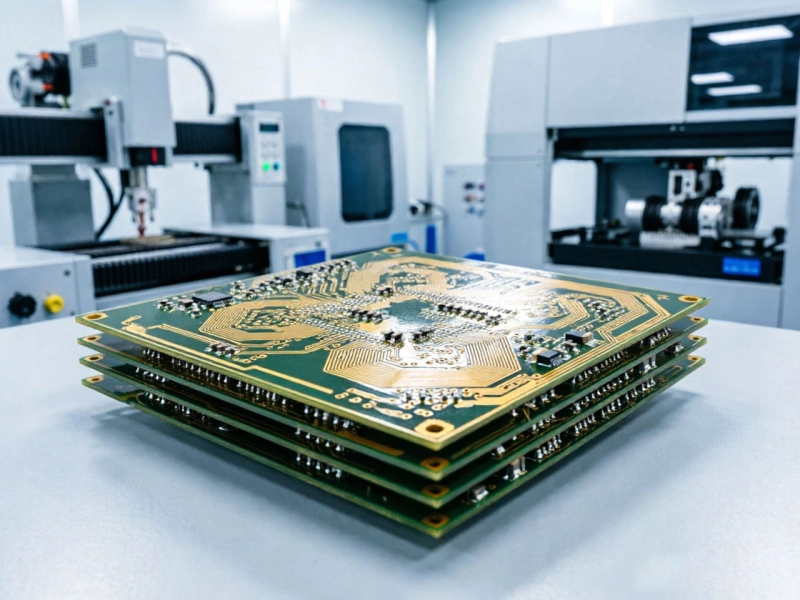
Layer Count and Board Thickness: A simple 2-layer board is cheap to produce. Move to 8, 12, or 16 layers, and the cost increases exponentially due to the complex pressing and alignment processes required. Similarly, non-standard board thicknesses (e.g., 0.4mm or 3.2mm) can trigger custom
Setup Fees.
Copper Weight: Standard
Copper Thickness is 1 oz. If your
Power Electronics require 2 oz, 3 oz, or even thicker copper, the etching process becomes much more difficult. Factories must adjust etching times and use specialized resists, which adds to the manufacturing cost.
From my experience auditing supply chains, many buyers mistakenly assume all FR-4 is created equal. It isn't. Premium suppliers like Shengyi or Kingtec charge more than generic alternatives because their material consistency directly impacts the final yield rate of the assembly.
2. Component Sourcing and Supply Chain Volatility
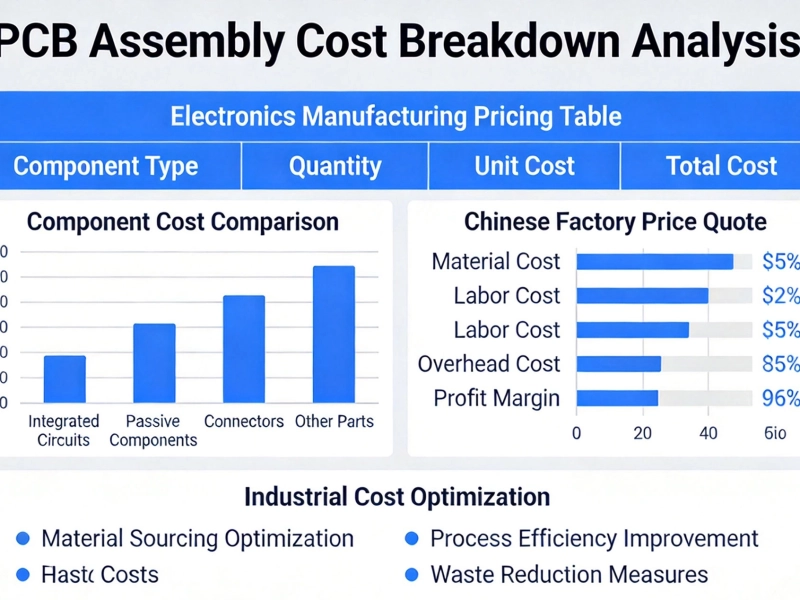
The Bill of Materials (BOM) typically accounts for 50% to 70% of the total assembly cost. How your Chinese partner sources these components will dramatically alter your final invoice.
Authenticity vs. Grey Market: Reputable factories source from authorized distributors (like Arrow or Avnet) and will pass the exact cost to you. Cheaper quotes might rely on grey-market brokers. While this lowers the upfront PCB assembly prices in China, it introduces massive risks of counterfeit parts, leading to catastrophic field failures.
Component Packaging: Automated pick-and-place machines require components in specific packaging (reels, trays, or tubes). If your BOM specifies loose or cut-tape components, the factory must manually load feeders or use slower placement methods, increasing labor costs.
Consignments: Supplying your own components (consignment) can save money on part markups, but you must factor in shipping, customs duties, and the factory's incoming inspection fees. If you send 5,000 resistors for a 100-board run, the factory may charge a handling fee for managing the excess inventory.
3. Assembly Complexity and Manufacturing Processes
Not all PCBs are assembled on the same line. The physical design of your board dictates the machinery, time, and labor required.
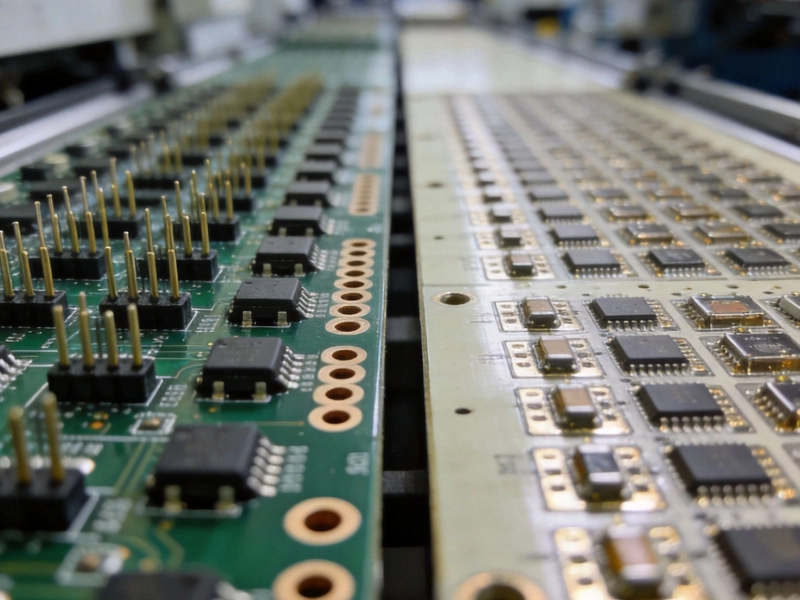
Component Size and Pitch: Placing standard 0805 resistors is fast and cheap. Placing 01005 components or fine-pitch BGAs (Ball Grid Arrays) requires high-precision machines, specialized nozzles, and mandatory
X-ray Inspection. The smaller the component, the higher the cost.
Mixed Technology: Boards that combine
Surface Mount Technology (SMT) with
Through-hole Technology (THT) require multiple assembly lines. THT often involves wave soldering or selective soldering, and in some cases, manual soldering, which is labor-intensive and expensive.
Surface Finish: Standard
Hasl (Hot Air Solder Leveling) is the cheapest.
Enig (Electroless Nickel Immersion Gold) is smoother and better for fine-pitch components but costs significantly more due to the chemical baths and gold pricing.
Immersion Silver or tin are other mid-tier options.
4. Quality Standards and Testing Requirements
This is where the old adage "you get what you pay for" becomes a tangible reality.
Quality Assurance is a major cost driver in
Electronics Manufacturing.
Factories adhere to different
Ipc Standards. IPC Class 2 (standard consumer electronics) allows for minor cosmetic defects and has a higher acceptable yield rate. IPC Class 3 (aerospace, medical, automotive) demands near-perfect execution. Achieving Class 3 requires stricter process controls, more frequent machine calibration, and higher scrap rates. If a factory quotes you Class 3 prices but only delivers Class 2 quality, they are cutting corners. Always specify your required IPC class upfront.
Testing is another variable. Basic electrical testing (flying probe or fixture) is standard. However, if you require
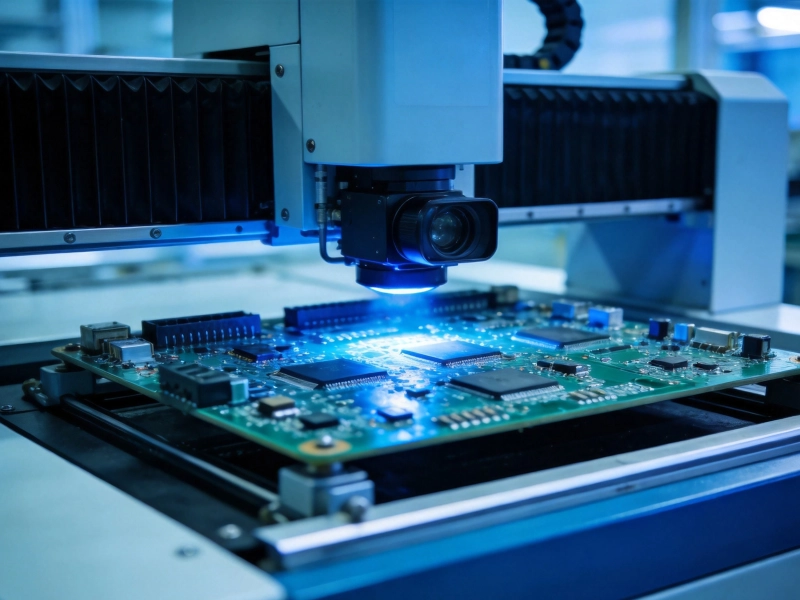
Automated Optical Inspection (
Aoi), In-Circuit Testing (ICT), or functional testing (FCT), expect additional engineering and
Setup Fees. These tests are crucial for catching defects early, but they add to the per-unit cost.
5. Hidden Costs and Operational Variables
When evaluating PCB assembly prices in China, smart buyers look beyond the per-unit rate. Several hidden factors can impact your total landed cost.
Setup and NRE Fees: Non-Recurring Engineering (NRE) fees cover stencil creation, machine programming, and first-article inspection. For prototypes, these are unavoidable. For
Mass Production, negotiate to have these fees amortized or waived after a certain volume.
Panelization and Tooling: How your boards are panelized (V-score vs. tab-route) affects routing time. Custom tooling for selective soldering or functional testing fixtures are one-time costs that must be budgeted.
Payment Terms and Currency: Factories often offer a 2% to 5% discount for upfront wire transfers compared to 30-day Net terms. Additionally, currency fluctuations between the USD and RMB can impact pricing over long-term contracts.
Geographic Location: Manufacturing costs in China vary by region. Tier-1 cities like Shenzhen offer unmatched supply chain speed but higher labor and rent costs. Inland provinces may offer cheaper labor but longer logistics times to ports.
Strategic Takeaways for Buyers
Navigating PCB assembly prices in China requires a shift in mindset. The lowest initial quote is rarely the most cost-effective option when
Total Cost Of Ownership is considered. A slightly higher quote from a transparent, communicative partner who uses authentic components and rigorous testing will save you thousands of dollars in rework, delays, and brand damage.
Always request a detailed, line-item breakdown of your quote. Ask questions about their component sourcing, their
Ipc Standards, and what testing is included. By understanding the true factors that influence cost, you transform from a passive buyer into a strategic manufacturing partner.