Open Nav

Consider this: the smartphone in your pocket contains over 1,000 solder joints, each placed with precision measured in microns. Surface Mount Technology (SMT) makes this possible. As electronics products become smaller, more complex, and more affordable, SMT PCB Assembly has become the backbone of modern Electronics Manufacturing. For global buyers seeking competitive manufacturing costs without sacrificing quality, China has emerged as the dominant force in SMT Assembly Services—handling everything from simple consumer devices to sophisticated medical equipment and automotive systems.
But navigating SMT Assembly Services in China isn't always straightforward. From finding reliable partners to managing quality across time zones, understanding the landscape is essential for successful outcomes. This guide draws on our 15+ years of Smt Assembly experience serving international clients, providing you with actionable insights for sourcing Smt Assembly from China effectively.
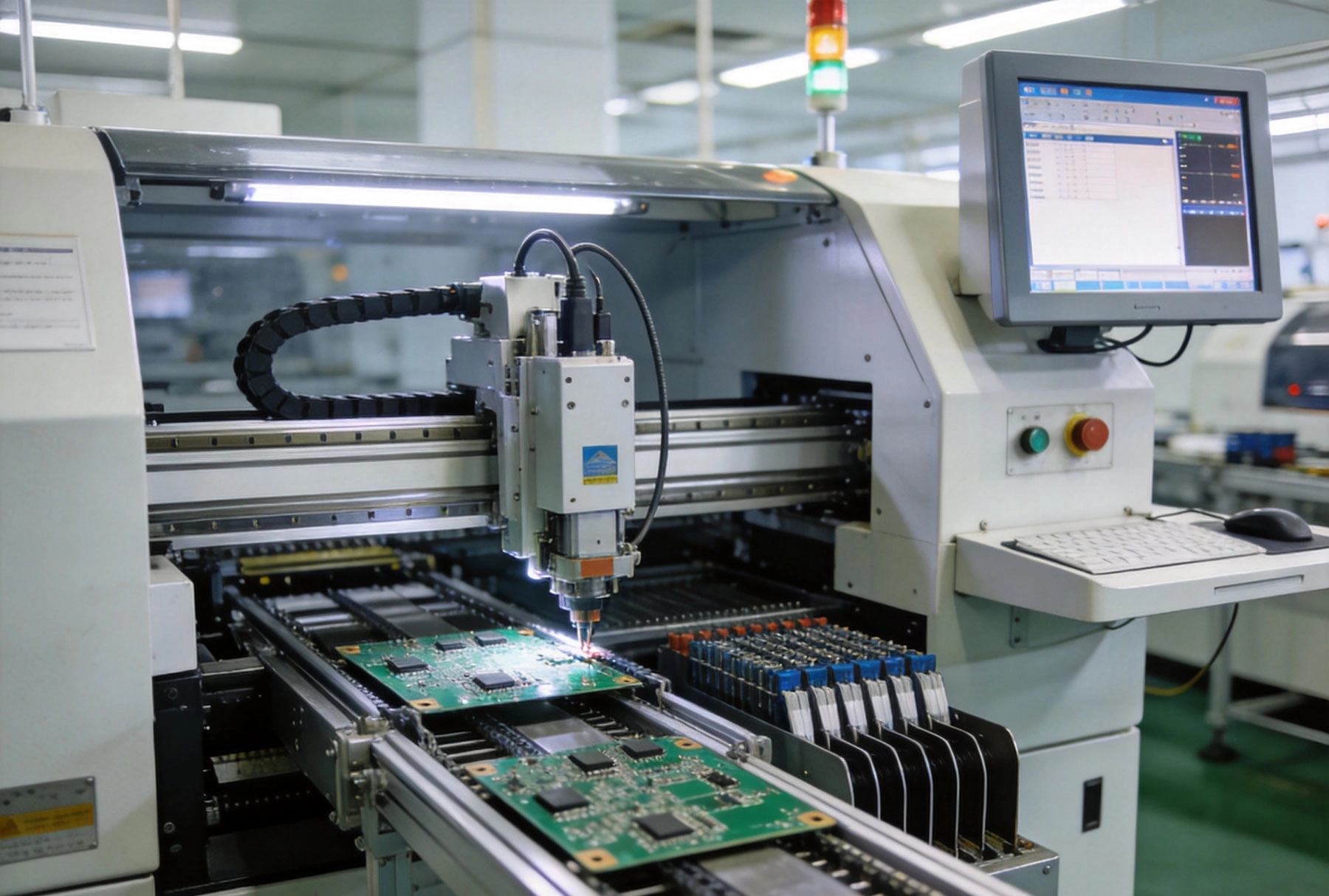
Surface Mount Technology revolutionized Electronics Assembly by enabling components to be mounted directly onto PCB surfaces rather than inserted through holes. This advancement allowed dramatic Miniaturization while improving production efficiency and product reliability. Modern SMT assembly achieves placement accuracy of ±0.05mm with pick-and-place speeds exceeding 50,000 components per hour.
The SMT assembly process involves multiple specialized steps:
Solder paste application uses stencil printing to apply precise amounts of solder paste to PCB pads. The stencil thickness and aperture design directly impact solder joint quality—most defects trace back to improper paste application. Advanced manufacturers use automated stencil printers with vision alignment systems achieving ±0.025mm positioning accuracy.
Component placement follows, where pick-and-place machines mount surface mount components onto the paste-coated pads. Modern placement systems use vision systems for component recognition, enabling accurate placement of components as small as 01005 (0.4mm × 0.2mm). High-speed placements achieve 30,000-50,000 cph, while precision placements for BGA and QFN packages achieve 5,000-15,000 cph with ±0.05mm accuracy.
Reflow soldering melts the solder paste, creating permanent electrical and mechanical connections. The reflow profile—temperature versus time—must match component thermal requirements and solder paste specifications. Peak temperatures typically reach 230-250°C with precise ramp rates and soak periods ensuring complete solder melting without thermal shock to components.
Inspection and testing follows assembly. Aoi (Automated Optical Inspection) identifies placement defects, solder issues, and component problems. For hidden connections under BGA and QFN packages, X-ray Inspection reveals solder joint quality that visual inspection cannot see.
The economics of SMT assembly favor China for most global buyers:
Labor cost advantages remain significant despite wage increases. SMT assembly involves substantial manual processes including programming, setup, inspection, and rework. Chinese labor costs run 20-40% of equivalent Western labor costs, directly impacting assembly pricing for labor-intensive services.
Equipment investment efficiency results from high equipment utilization. Chinese EMS (Electronics Manufacturing services) providers operate equipment continuously across multiple client programs, achieving utilization rates of 70-85%. This efficiency translates to lower per-unit costs passed to buyers.
Component ecosystem integration provides unmatched supply chain efficiency. Shenzhen and surrounding regions host the world's largest concentration of electronics component distributors, manufacturers, and trading companies. This ecosystem enables rapid component sourcing, competitive pricing, and flexible quantity options unavailable elsewhere.
Engineering talent availability means Chinese Manufacturers often have deeper process engineering capability than Western counterparts of similar size. Many manufacturers employ 20-50 engineers dedicated to process optimization, NPI (new product introduction), and failure analysis.
Volume flexibility accommodates everything from prototype quantities (1-10 pieces) to high-volume production (millions of units). Most Chinese SMT assemblers support the full range without minimum order requirements or quantity premiums that limit Western alternatives.
When evaluating Chinese SMT assembly providers, specific capabilities indicate service quality:
Placement equipment determines component size range and placement speed. Key specifications include:
Reflow oven capability impacts Thermal Management for temperature-sensitive components. Look for:
Inspection equipment ensures quality verification:
We operate 12 production lines with equipment from Panasonic, Fuji, and Juki—industry-leading brands ensuring consistent quality. Our placement equipment handles components from 01005 to 40mm × 40mm BGAs with 40,000 cph capacity across our facility.
Quality in SMT assembly depends on systematic processes rather than inspection alone. Reputable Chinese Manufacturers implement comprehensive quality systems:
Process control documentation specifies parameters for every manufacturing step. Critical processes include solder paste printing (pressure, speed, separation rate), placement (component recognition settings, placement force), and reflow (profile parameters, conveyor speed). Documentation ensures consistency across production runs and enables troubleshooting when issues arise.
In-process inspection points catch defects early before they compound. Typical inspection stages include post-print inspection (solids percentage verification), post-placement inspection (component position verification), and post-reflow inspection (solder joint quality). Catching defects at 10% completion rather than 100% reduces rework costs dramatically.
Statistical process control monitors key parameters to identify trends before they cause defects. Critical measurements tracked include solder paste volume (mean ± sigma), placement offset (X-Y accuracy), and reflow temperatures (peak, slope, time above liquidus). Our SPC system alerts operators to parameter drift before defects occur.
Traceability systems link products to their manufacturing history. Each board or batch carries lot codes connecting to material lots, operator identities, equipment settings, and inspection results. When field failures occur, traceability enables rapid root cause identification and targeted recalls.
Our Quality Management system maintains Iso 9001 certification with additional certifications for automotive (Iatf 16949) and medical (Iso 13485) applications. First-pass yield exceeds 98.5% for typical products, with target yield of 99%+ for mature production programs.
Successful relationships with Chinese SMT assemblers depend on clear communication and realistic expectations:
File preparation quality directly impacts manufacturing outcomes. Provide complete documentation including:
Communication protocols establish expectations for response times, escalation paths, and reporting requirements. Define primary and backup contacts, acceptable response times for different urgency levels, and regular status update schedules. We provide dedicated account managers for international clients with typically 4-hour response time for routine inquiries and 1-hour response for production issues.
Quality escalation procedures ensure rapid response when problems occur. Establish clear criteria for what constitutes an escalation, who receives escalation notifications, and expected response timelines. Our escalation system routes critical quality issues to engineering management within 2 hours of identification.
Intellectual Property Protection requires proactive measures. Work with manufacturers that sign NDAs, implement file access controls, and have documented IP protection procedures. We maintain separate network infrastructure for client design files with access logging and employee training on IP protection requirements.
Understanding SMT assembly cost components helps optimize spending:
NRE (non-recurring engineering) costs include tooling, programming, and setup charges:
Per-unit assembly costs depend on multiple factors:
Cost optimization strategies reduce assembly spending without sacrificing quality:
Our engineering team reviews designs for assembly optimization opportunities, typically identifying 10-15% Cost Reduction through Dfm recommendations without compromising quality or reliability.
Two primary models exist for SMT assembly engagement:
Turnkey Assembly includes component sourcing as part of the service. The assembler procures all components, manages inventory, and delivers finished boards. Advantages include simplified procurement, component price optimization through distributor relationships, and inventory management. Disadvantages include dependency on assembler for component quality and potential for substitute components without client approval.
Consigned assembly requires the buyer to supply all components. The assembler receives components, stores them, and uses them for specified production. Advantages include buyer control of component sources, direct relationships with preferred distributors, and visibility into component quality. Disadvantages include inventory management burden, potential for component shortages, and responsibility for excess component stock.
Most international clients prefer Turnkey Assembly for simplicity and cost efficiency. We offer flexible models allowing clients to choose consigned, turnkey, or hybrid approaches for different component categories based on client preferences and supply chain requirements.
Most Chinese SMT assemblers support quantities from 1 piece to millions without strict minimums. However, practical minimums exist—typically 5-20 pieces for standard assemblies due to setup efficiency. Very small quantities (1-5 pieces) have higher per-unit costs due to setup cost amortization. Prototype runs of 10-50 pieces represent the sweet spot for design iteration, balancing cost against testing requirements. Volume production typically sees significant per-unit Cost Reduction at 500+, 1,000+, and 5,000+ quantity breaks.
Component Quality Assurance requires multiple strategies. First, specify authorized distributor sources for critical components—reputable assemblers will source from Arrow, Avnet, Mouser, or manufacturer-direct. Second, request component verification including distributor invoices and date codes confirming authenticity. Third, implement incoming inspection for sensitive components. Fourth, establish clear responsibility for component failures including counterfeit detection procedures. We source 95%+ of components from authorized distributors and maintain traceability to distributor lot numbers for all assemblies.
Lead times vary based on component availability and assembly complexity. Standard turnkey assembly typically requires 5-10 days from file approval to shipment, with 2-5 days for component procurement and 3-5 days for assembly and test. Consigned assembly (components provided by buyer) can complete in 3-5 days. Complex assemblies with BGA components,特种材料, or extensive testing may require 10-15 days. Express services are available for urgent requirements at premium pricing—typical turnaround of 2-3 days for additional 30-50% cost premium.
Certification requirements depend on your application. Iso 9001 represents the baseline for quality systems. Automotive applications require Iatf 16949 certification and sometimes specific OEM approvals. Medical device assembly requires Iso 13485 certification and FDA registration. Beyond certifications, evaluate actual quality performance including first-pass yield (target >98%), defect rates, customer complaint handling, and on-time delivery performance. We maintain ISO 9001, IATF 16949, and ISO 13485 certifications with documented quality metrics available to clients.
Managing variants requires clear process documentation. First, establish a part number system that captures variant differences clearly. Second, provide BOMs and pick-and-place files specific to each variant or define commonality where possible. Third, implement Panelization strategies that accommodate multiple variants per panel when appropriate. Fourth, coordinate component sourcing to ensure variant-specific components are available when needed. Our NPI team helps clients optimize variant management, typically identifying opportunities to reduce inventory requirements while maintaining production flexibility.
SMT PCB Assembly in China offers compelling advantages for global electronics buyers—cost efficiency, technical capability, supply chain integration, and production flexibility that few alternatives can match. Success requires understanding the landscape, evaluating capabilities properly, establishing clear communication, and building strong supplier relationships.
The key is treating your Chinese assembly partner as an extension of your operations rather than a transactional supplier. Companies achieving the best outcomes invest in relationship building, provide clear specifications, and maintain active communication throughout the engagement.
Ready to explore SMT assembly options with a reliable China partner? Share your design files and requirements for a comprehensive quotation including Dfm recommendations, component sourcing options, and production planning. Our international team will respond within 24 hours with detailed proposals tailored to your specific requirements.
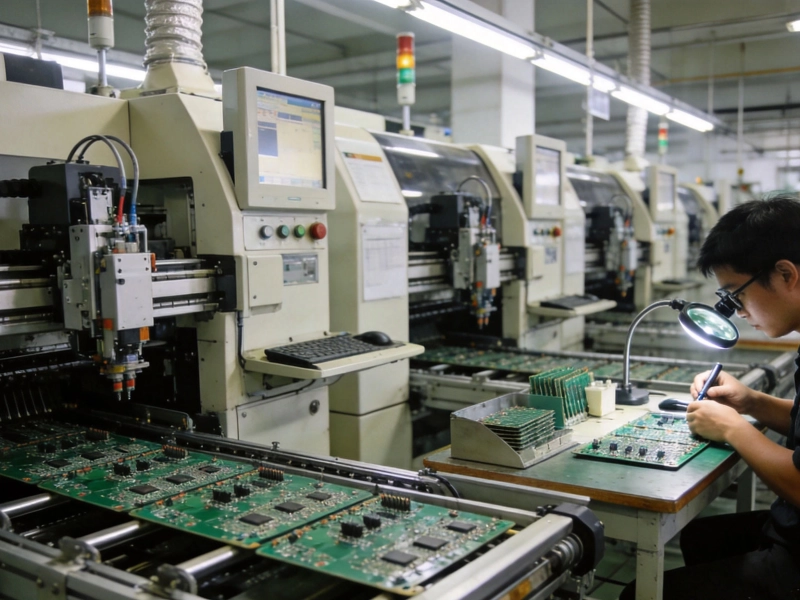
The Complete Guide to SMT PCB Assembly in ChinaJune/17/2026

The Rise of Flexible PCBs in Foldable Phone HingesJuly/14/2026
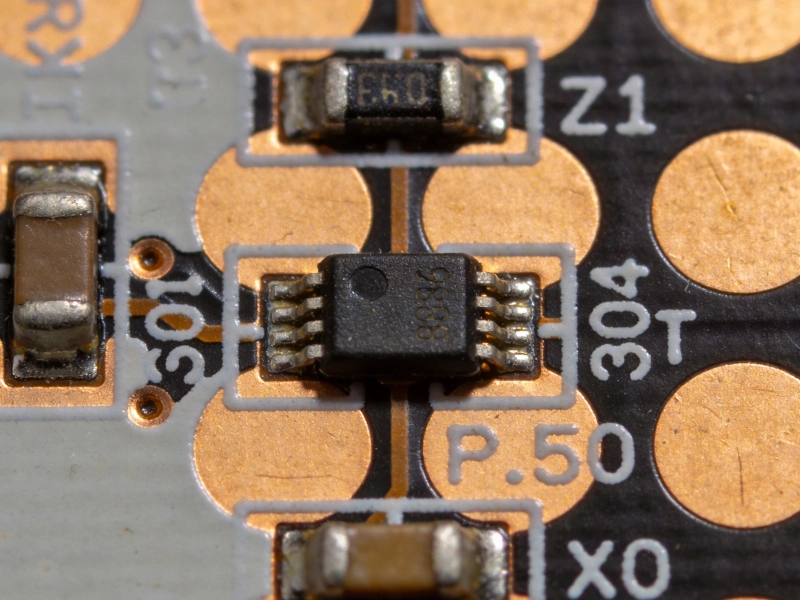
Designing for SMT: Pad Sizes, Spacing, and OrientationJuly/12/2026
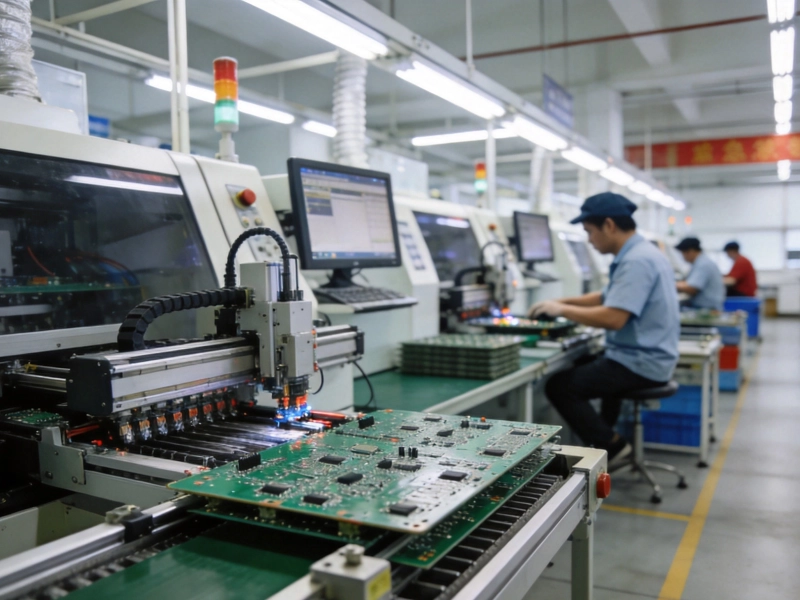
Emergency PCB Runs: Can Chinese Manufacturers Meet Tight Deadlines?August/14/2026
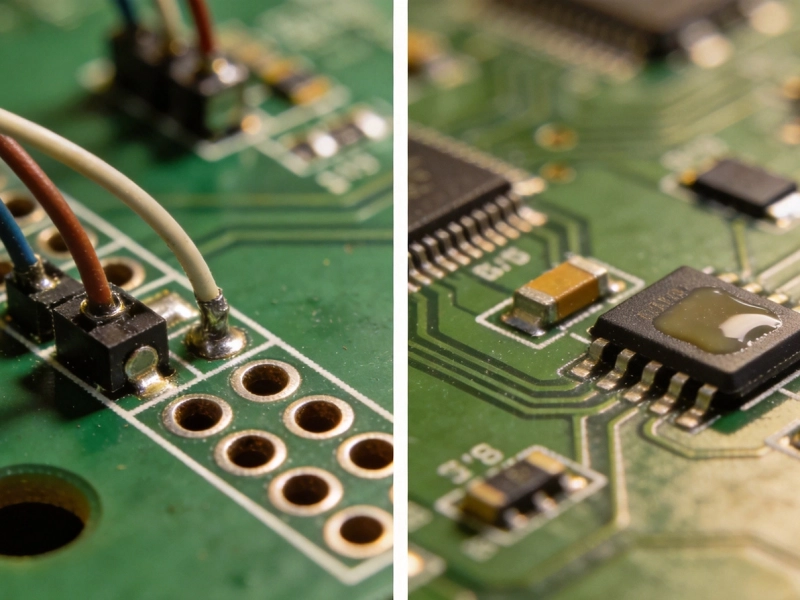
Thru-Hole vs. SMT: Choosing the Right Assembly TechnologyJuly/28/2026
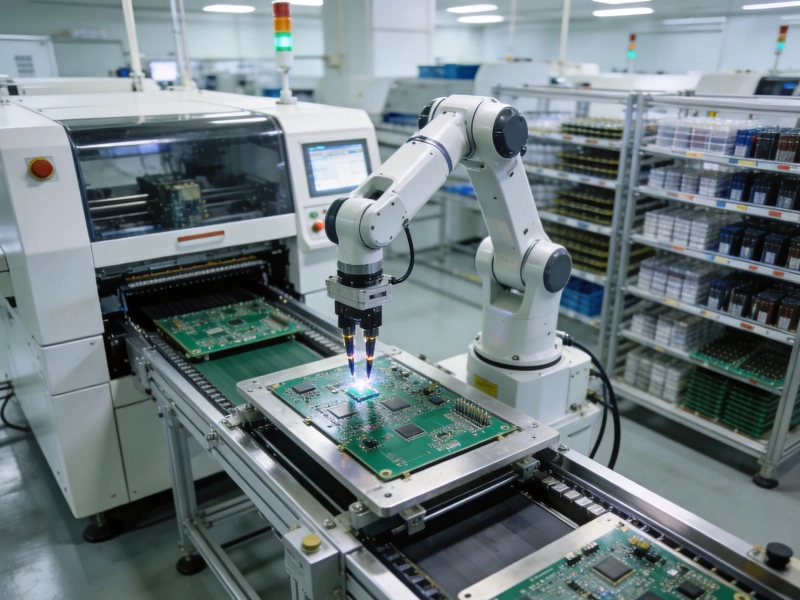
What to Look for in a Reliable SMT PCB Assembly Partner in ChinaAugust/10/2026
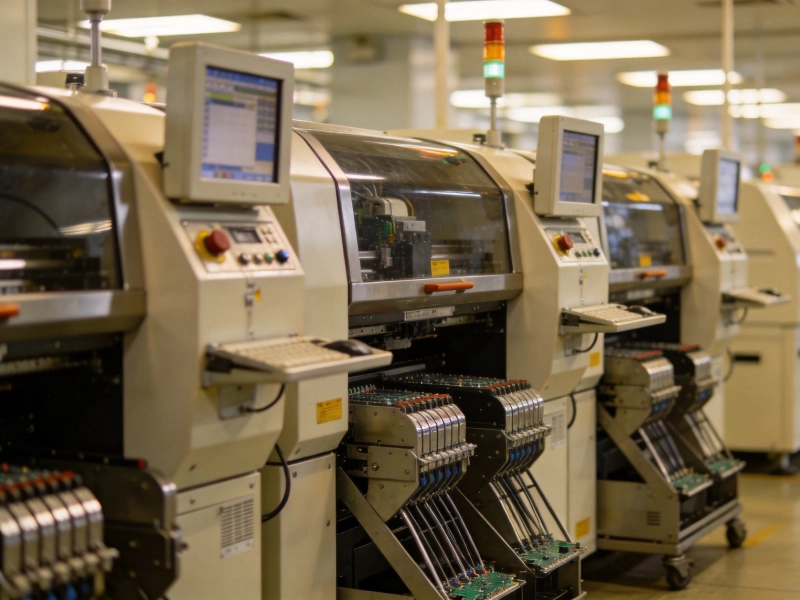
Turnkey PCB Assembly: Simplifying Your Supply Chain with One VendorOctober/10/2026

BGA Assembly Challenges: X-Ray Inspection and Voiding IssuesSeptember/17/2026