Open Nav

Flexible Pcb Technology transforms how foldable smartphones bend, twist, and endure daily use without breaking.
When Samsung launched the first Galaxy Fold in 2019, critics questioned whether foldable phones could survive real-world use. The biggest challenge wasn't the display, it was the internal electronics. Traditional rigid PCBs simply couldn't bend thousands of times without failure. This is where flexible PCBs stepped in to solve one of modern smartphone engineering's toughest problems.
In this article, we'll explore how Flexible Circuit Boards made foldable phone hinges possible, why they matter for device durability, and what the future holds for this game-changing technology.

Standard printed circuit boards use rigid fiberglass substrates like FR4, which crack under repeated bending. Flexible PCBs, on the other hand, built on polyimide or polyester films that can fold, twist, and flex repeatedly without damage.
Key differences include:
This unique combination of properties makes Flexible Circuit Boards the only viable solution for connecting components across a folding smartphone's hinge.
Foldable smartphones face engineering challenges that traditional phones never encountered. The hinge isn't just a mechanical joint, it's where critical electronic signals must travel between the two halves of the device.
These signals include:
Without flexible PCBs, these connections would require bulky cables or fragile rigid boards, neither of which could survive the folding motion. The hinge must accommodate not just the fold, but thousands of open-close cycles over the phone's lifetime.
Manufacturers like Samsung, Huawei, and Motorola have pushed flexible Pcb Technology to new limits, with some devices rated for 200,000+ fold cycles. That translates to over 5 years of typical use without electronic failure.
Designing flexible circuits for foldable hinges isn't as simple as swapping materials. Engineers must address several critical challenges:
Each fold creates stress on copper traces. Even flexible materials develop microscopic cracks over time if not designed correctly. Engineers use:
Modern smartphones transfer data at gigabit speeds through their flexible PCBs. Bending changes trace impedance, which can corrupt signals. Solutions include:
Foldable phone hinges are densely packed. Flexible PCBs must handle Heat Dissipation without adding bulk. Advanced designs use:
The Samsung Galaxy Z Fold series showcases how far Flexible Pcb technology has advanced. Each generation improves hinge durability through better Flexible Circuit designs.
The Z Fold 5, for example, uses a waterdrop-style hinge that minimizes the visible crease on the display. Inside, multi-layer flexible PCBs route display signals through a tight 3mm Bend Radius, something impossible with earlier technology.
Huawei's Mate X series takes a different approach, folding outward rather than inward. This requires flexible PCBs that bend in the opposite direction, exposing them to different stress patterns. The result? Flexible circuits designed for external folding with reinforced outer layers.
Motorola's Razr revival demonstrates another application: a clamshell design where flexible PCBs must navigate a complex hinge geometry while keeping the device thin. The solution involves curved flexible sections that maintain connectivity during rapid opening and closing.
Producing flexible PCBs for foldable phones requires precision manufacturing beyond standard PCB processes. Key innovations include:
Quality Control is equally critical. Manufacturers use Automated Optical Inspection, X-ray imaging, and mechanical bending tests to verify each Flexible Pcb meets foldable phone requirements.
Some facilities simulate 300,000+ fold cycles during testing, pushing flexible circuits beyond expected device lifetimes to identify potential failure points.
Flexible PCB technology continues evolving. Emerging trends include:
Beyond flexibility, researchers are developing stretchable circuits that can expand and contract. This could enable new phone designs where the entire device stretches, not just folds.
Flexible PCBs can incorporate 5G and Wi-Fi antennas directly into the hinge area, maximizing space efficiency and improving signal quality.
Experimental polyimides with self-repairing properties could extend flexible PCB lifespan indefinitely, healing minor cracks before they propagate.
Future foldable phones might use transparent flexible PCBs, allowing circuits to be placed directly under the display without visible traces.
For consumers, flexible PCBs translate directly to device durability. A foldable phone with high-quality flexible circuits lasts longer, maintains display quality over years of use, and resists failure from everyday folding.
For manufacturers, flexible PCB technology enables new product categories. Without these circuits, foldable phones, rollable displays, and bendable wearables simply wouldn't exist.
The economic impact is significant. The foldable smartphone market is projected to reach $42 billion by 2027, driven largely by advances in flexible PCB technology that make these devices practical and affordable.
Flexible PCBs aren't just components in foldable phones, they're the foundation that makes foldable technology possible. From handling thousands of bend cycles to routing high-speed signals through tight spaces, Flexible Circuit boards solve engineering challenges that rigid boards cannot.
As foldable smartphones evolve, flexible PCB technology will continue advancing, enabling thinner devices, more complex hinge designs, and eventually, entirely new form factors we haven't yet imagined.
For engineers designing foldable devices, understanding flexible PCB capabilities isn't optional, it's essential for creating products that last.
Looking to integrate flexible PCBs into your next foldable device design? Partner with experienced PCB manufacturers who specialize in flexible circuit technology and can guide you through material selection, Design Optimization, and quality testing for demanding foldable applications.
Turnkey PCB Assembly: Simplifying Your Supply Chain with One VendorOctober/10/2026
Designing for SMT: Pad Sizes, Spacing, and OrientationJuly/12/2026
Top 10 DFM Mistakes to Avoid Before Sending Files to China for SMT AssemblyJuly/15/2026
SMT PCB Assembly China: A Complete Guide for Global BuyersMay/18/2026

BGA Assembly Challenges: X-Ray Inspection and Voiding IssuesSeptember/17/2026
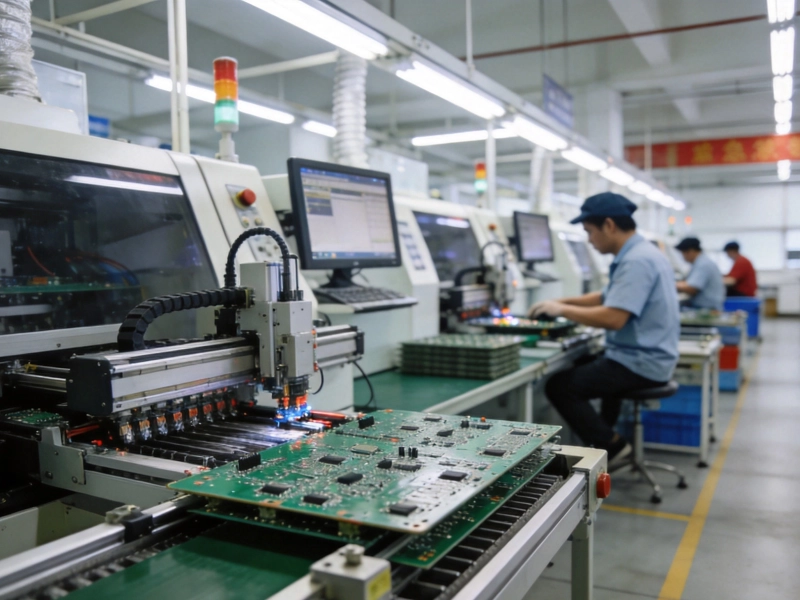
Emergency PCB Runs: Can Chinese Manufacturers Meet Tight Deadlines?August/14/2026
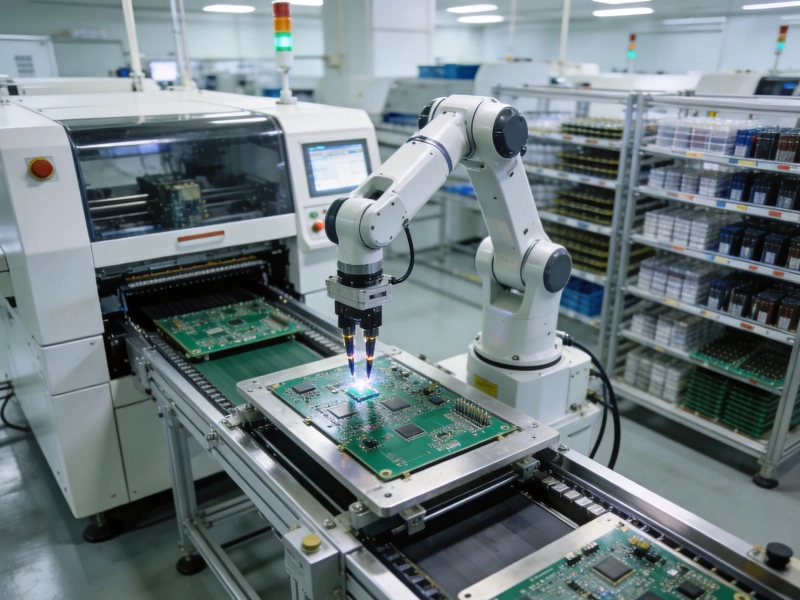
What to Look for in a Reliable SMT PCB Assembly Partner in ChinaAugust/10/2026
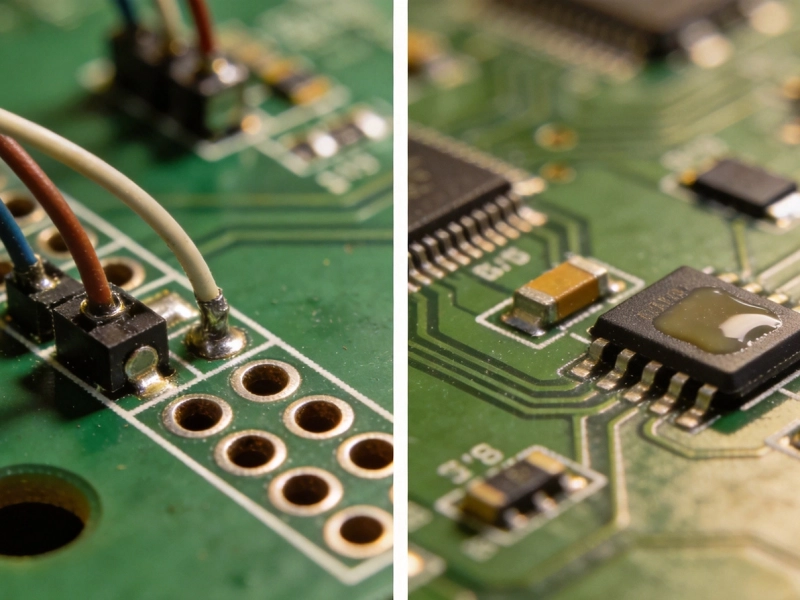
Thru-Hole vs. SMT: Choosing the Right Assembly TechnologyJuly/28/2026