Open Nav

In the world of hardware product development, speed and adaptability can make or break a market opportunity. While software teams have long embraced agile methodologies, hardware engineers often find themselves bottlenecked by traditional manufacturing timelines and minimum order quantities. This is where low volume Pcb Manufacturing steps in as a strategic advantage, enabling design teams to iterate faster, validate designs earlier, and bring better products to market with less financial risk.
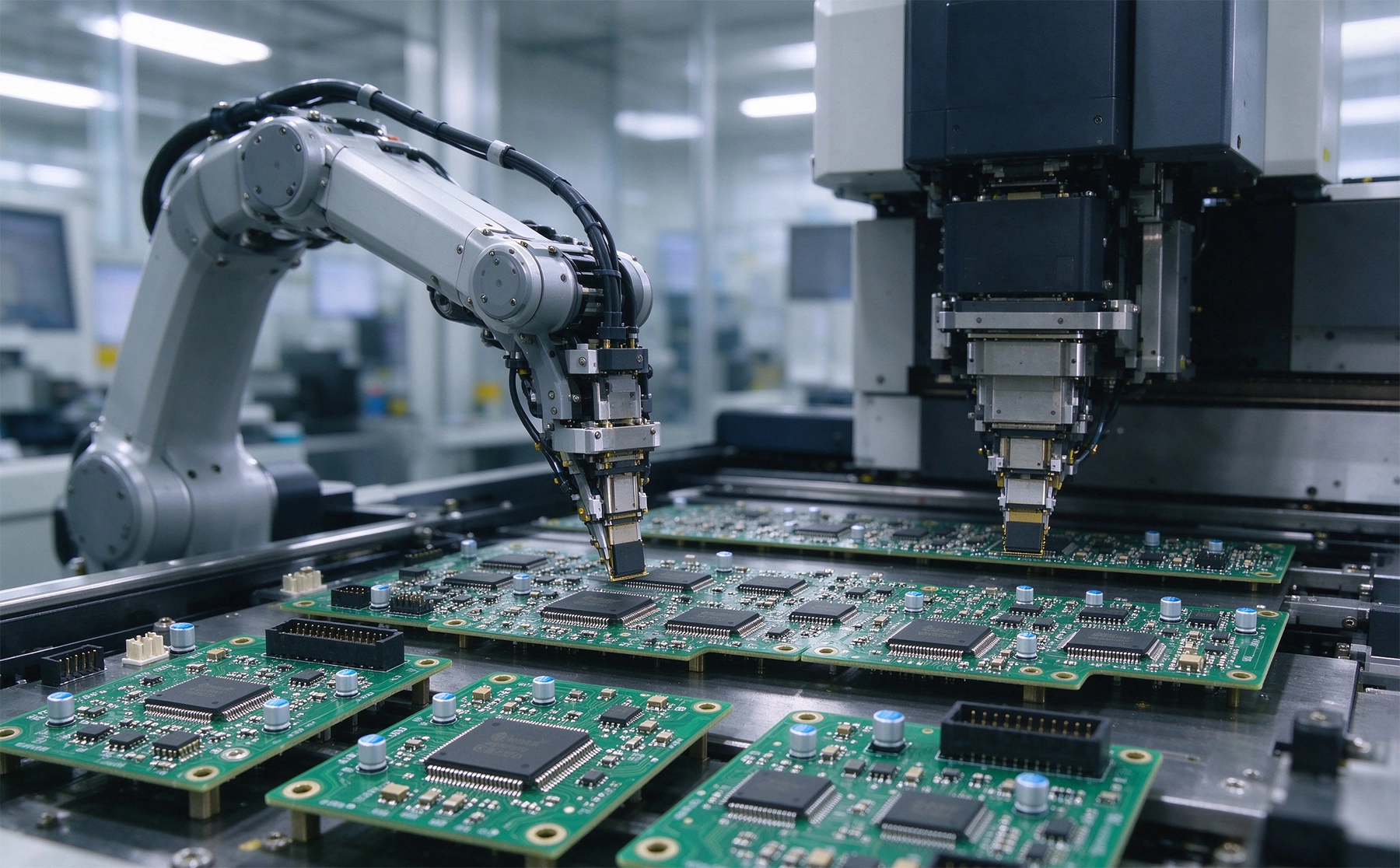
Low volume Pcb Manufacturing refers to the production of printed circuit boards in small quantities, typically ranging from a single prototype to a few hundred units. Unlike high-volume production runs that demand thousands of units to justify tooling costs and setup expenses, low volume manufacturing is designed to be economically viable at any scale. This flexibility makes it particularly valuable during the early stages of hardware development, where design changes are frequent and time-to-feedback is critical.
Modern contract manufacturers have invested heavily in equipment and processes that support low volume runs without sacrificing quality. Automated Optical Inspection (Aoi), laser direct imaging (LDI), and advanced solder paste printing systems allow small batches to achieve the same reliability standards as large-scale production. This means teams no longer have to choose between speed and quality.
Agile development thrives on rapid iteration, continuous feedback, and the ability to pivot when requirements change. For software, these cycles can be measured in days or weeks. For hardware, the traditional model often stretches development cycles to months or even years before a physical product is available for testing. This disconnect creates a significant problem: hardware teams cannot participate fully in agile workflows when they are waiting weeks for prototypes.
The consequences of this delay are substantial. Design flaws that could be caught and corrected in a matter of days go undetected until expensive tooling has already been created. Market feedback that could reshape a product's direction arrives too late to act upon. Competing teams with faster prototype cycles win the race to deliver innovative products.
One of the most compelling advantages of Low Volume Pcb Manufacturing is the ability to iterate designs without accumulating massive inventory costs. Traditional manufacturing contracts often impose minimum order quantities of 500 or 1,000 units, forcing hardware teams to commit to designs before they are fully validated. Low volume services eliminate this barrier, allowing teams to order exactly what they need for testing, demonstration, or field trials.
This financial flexibility changes the decision-making calculus entirely. A team can afford to build ten revised prototypes to fix a thermal issue, because each run costs only what it actually requires. In a high-volume model, that same team might delay the fix to accumulate enough units to justify a new production run, potentially shipping a product with a known defect.
Markets for specialized industrial equipment, medical devices, and aerospace systems often require relatively small quantities of custom circuit boards. These segments cannot support the economics of traditional high-volume manufacturing, yet they demand the same level of technical rigor and Quality Assurance. Low Volume Pcb Manufacturing bridges this gap, providing access to professional-grade production capabilities regardless of order size.
For startups and innovation teams, this capability is transformative. A medical device startup developing a diagnostic tool for a rare condition might need only 50 units for a clinical trial. Low volume manufacturing makes this possible without the startup burning through capital on unused inventory. An industrial automation firm prototyping a new sensor interface might need 25 boards for a pilot installation. Again, low volume services deliver exactly what is needed.
Functional prototypes are the backbone of sound hardware engineering. A schematic that looks correct on paper may reveal unexpected electromagnetic interference issues when assembled and powered. A board layout that passes simulation may encounter Signal Integrity problems at operating frequencies in the real world. Low volume manufacturing enables thorough functional testing before committing to expensive production tooling.
In our experience working with engineering teams across multiple industries, the most successful hardware development programs share a common trait: they treat prototypes as experiments, not just checkpoints. Low volume manufacturing supports this experimental mindset by making it affordable to build and test frequently, rather than gambling everything on a single pre-production run.
When evaluating manufacturing options, it is tempting to focus solely on the per-unit cost. However, the total cost of hardware development includes far more than unit price. Engineering time spent managing inventory, costs associated with delayed market entry, expenses from redesigning products after discovering flaws in production, and capital tied up in unused components all contribute to the true cost picture.
Low volume PCB manufacturing often delivers better total economics even when the per-unit cost is higher than Mass Production alternatives. By catching design issues early, teams avoid the catastrophic costs of re-tooling or recalling products. By maintaining minimal inventory, companies preserve cash flow and reduce exposure to component obsolescence. By accelerating Time-to-market, businesses capture revenue sooner and establish competitive advantages that last.
A persistent misconception about low volume manufacturing is that quality suffers compared to high-volume production. In reality, the same IPC industry standards apply regardless of quantity. Professional manufacturers apply the same inspection protocols, the same testing procedures, and the same Quality Management systems to a run of five boards as they do to a run of five thousand.
The key differentiator is the manufacturer's expertise in managing the unique challenges of small-batch production. Hand assembly and automated processes each have their place, and skilled manufacturers know when to apply each. Through-hole components may require selective hand soldering on small runs, while surface mount devices are best handled by high-precision pick-and-place equipment regardless of quantity. Understanding these tradeoffs is what separates a capable low volume partner from a general-purpose Contract Manufacturer.
Not all low volume PCB manufacturers are created equal. Engineering teams should evaluate potential partners based on several criteria beyond unit pricing. Technical capability matters enormously: can the manufacturer support the layer count, materials, and impedance tolerances your design requires? Turnaround time is critical for agile teams: a manufacturer that takes six weeks for prototypes defeats the purpose of pursuing rapid iteration. Communication quality distinguishes excellent partners from adequate ones: clear documentation, proactive problem-solving, and responsive support prevent costly misunderstandings during the development cycle.
Transparency in the Manufacturing Process provides additional confidence. Manufacturers who share inspection data, solder paste inspection images, and X-ray analysis of Buried Vias give engineering teams the information they need to make informed decisions. This level of openness builds trust and enables genuine collaboration rather than simply transactional vendor relationships.
Even with access to capable manufacturing partners, some engineering teams undermine their own agility through avoidable mistakes. Designing for manufacturability (Dfm) should begin on day one of schematic capture, not after a prototype fails inspection. Teams that treat Dfm as an afterthought often face redesign cycles that consume the time they were trying to save. Another common issue is insufficient documentation: vague build specifications lead to manufactured boards that do not match expectations, resulting in rework and delay.
Component selection also deserves careful attention. Teams sometimes specify exotic or long-lead components that create bottlenecks in an otherwise smooth production flow. Building a Bill of Materials (BOM) with availability in mind, even for prototypes, prevents frustrating delays that have nothing to do with the board design itself. Finally, treating prototypes as throwaway items rather than learning opportunities misses their full value. Each prototype should generate data that informs the next iteration, building cumulative knowledge that compounds throughout the development program.
As product cycles continue to shorten and market expectations for innovation intensify, the role of low volume PCB manufacturing in hardware development will only grow. Advances in automation, machine learning-driven inspection systems, and digitally integrated supply chains are making small-batch production faster, cheaper, and more reliable than ever before.
Engineering teams that master low volume manufacturing practices gain a sustainable competitive advantage. They can explore more design alternatives in the same timeframe, validate products more thoroughly before launch, and respond to market feedback with agility that traditional hardware development models simply cannot match. In an era where the pace of innovation determines market success, this advantage is not merely convenient — it is essential.
What is considered low volume in PCB manufacturing?
Low volume typically ranges from a single prototype board to approximately 500 units. Some manufacturers handle quantities up to 1,000 units under their standard low volume services, while others define the threshold differently based on their equipment capabilities and business model.
How does low volume manufacturing affect per-unit cost?
Per-unit costs for low volume runs are generally higher than Mass Production pricing due to fixed setup costs being distributed across fewer boards. However, when Total Cost Of Ownership is considered — including inventory risk, redesign costs, and Time-to-market impact — low volume manufacturing often proves more economical for development-stage products.
Can low volume PCB manufacturing match the quality of high-volume production?
Yes, professional low volume manufacturers apply the same Ipc Standards, inspection protocols, and Quality Management systems to small runs as they do to large production batches. The Manufacturing Process quality depends on the manufacturer's capabilities, not the order quantity.
What is the typical turnaround time for low volume PCB manufacturing?
Turnaround times vary by manufacturer and complexity, but prototype quantities can often ship within 5 to 15 business days. Standard low volume runs of 50 to 200 units may take 10 to 20 business days depending on component availability and assembly requirements.
Is low volume manufacturing suitable for production-stage products?
For products with stable designs and quantities exceeding approximately 500 units, transitioning to higher-volume production may offer better economics. However, low volume manufacturing remains valuable even for production-stage products when demand is uncertain, customization is required, or the market niche is inherently small.
Contact us to discuss your requirements.
From Gerber to Delivery: How We Achieve 24-Hour PCB PrototypingJuly/09/2026

The Logistics of Fast Shipping: Getting Your PCBs from China QuicklySeptember/16/2026
Speeding Up Product Development with Fast PCB Prototype ServicesJuly/27/2026
Low Volume PCB Manufacturing: Ideal Solutions for Startups and R&DOctober/08/2026
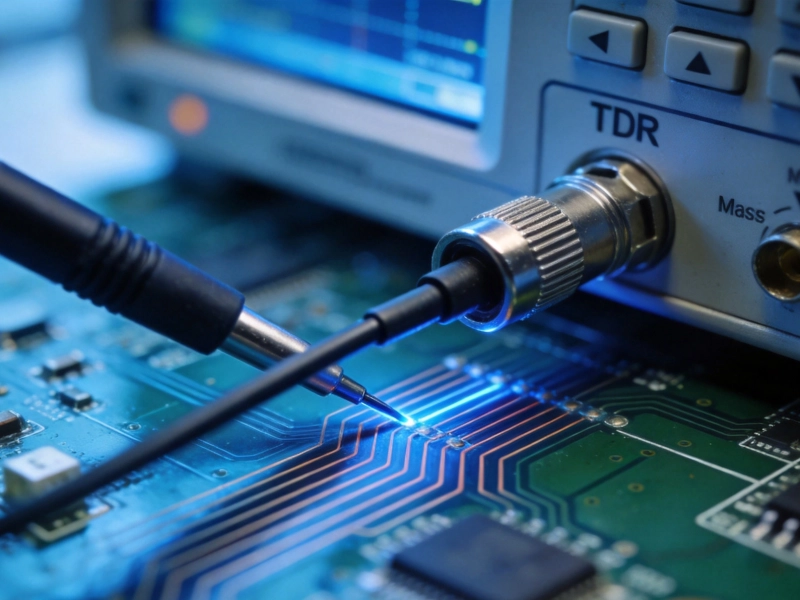
Controlled Impedance Testing: Ensuring Performance in High-Speed BoardsOctober/15/2026
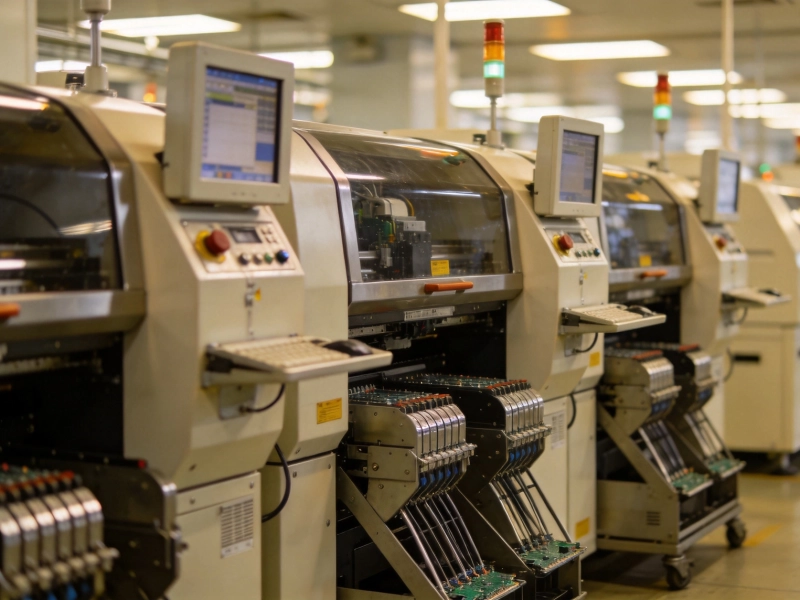
Turnkey PCB Assembly: Simplifying Your Supply Chain with One VendorOctober/10/2026
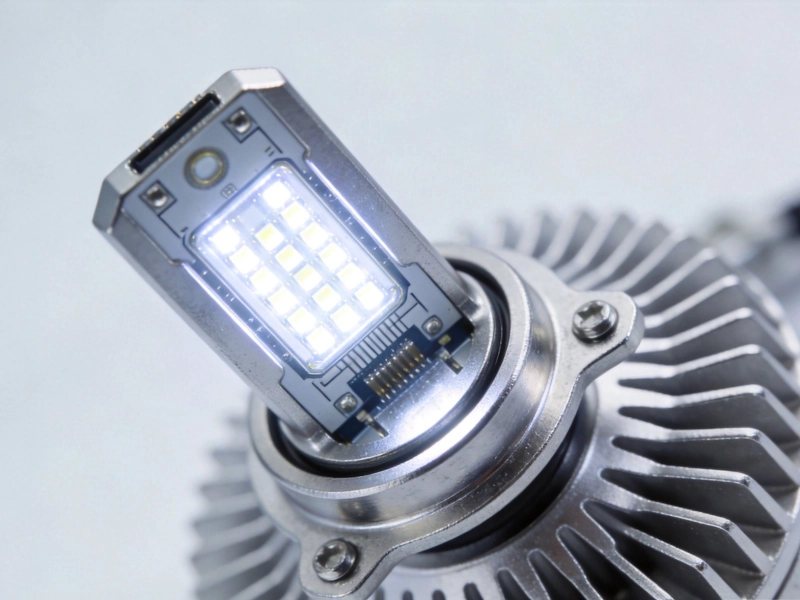
Sourcing Metal Core PCBs for Automotive LED HeadlightsJuly/25/2026
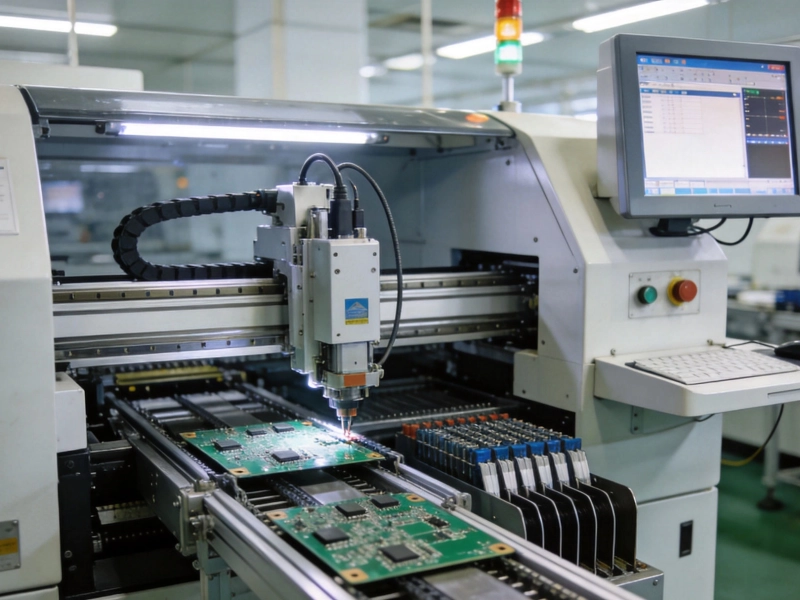
SMT PCB Assembly China: A Complete Guide for Global BuyersMay/18/2026