
In the high-stakes world of electronics product development, speed is everything. Every week saved in the prototyping phase translates directly into earlier market entry, lower development costs, and a decisive competitive edge. Yet many engineering teams still find themselves waiting weeks for their first prototype boards—precious time burned on procurement cycles that could be spent iterating, testing, and refining their designs. The solution lies in partnering with a Fast Pcb Prototype service provider that understands the urgency of modern hardware development.
Fast Pcb Prototype services have transformed how startups, engineering teams, and product companies bring electronic devices to life. By compressing traditional lead times from weeks down to days or even hours, these services enable the rapid iteration cycles that modern product development demands. This article explores how fast turnaround Pcb Manufacturing works, what to look for in a Quick Turn Pcb supplier, and how Rapid Prototyping PCB services can fundamentally accelerate your path from concept to commercialization.
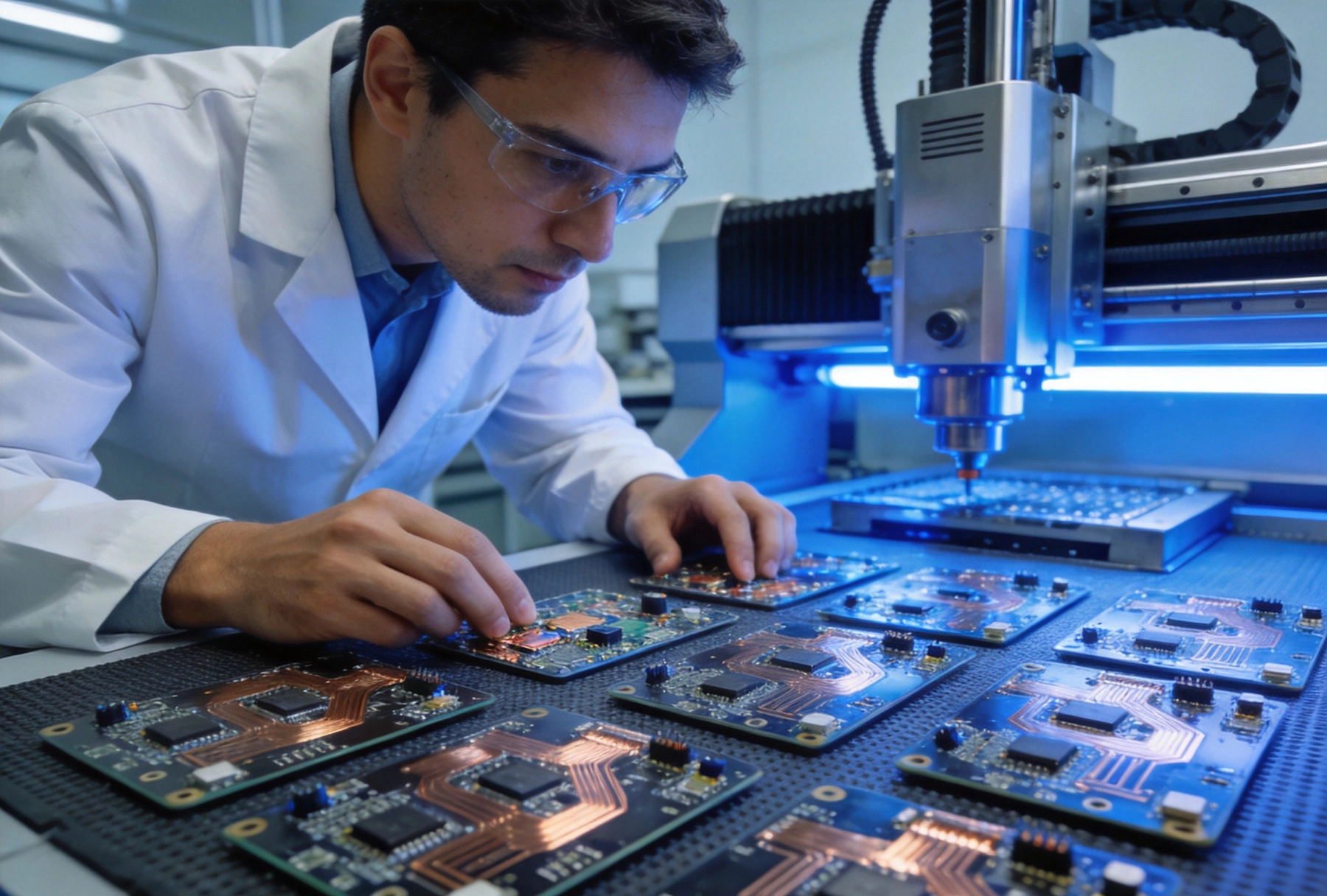
The traditional Pcb Prototyping model was built for a different era—one where product development cycles measured in years gave engineering teams ample time to source, manufacture, and test. That world no longer exists. Today's consumer electronics, industrial devices, IoT hardware, and medical equipment markets move at an accelerating pace. A product that launches six months late doesn't just miss a quarter—it may miss the entire market window.
Consider the hidden costs of slow prototyping. When your team waits four to six weeks for prototype boards, development velocity grinds to a halt. Engineers shift context to other projects, design momentum evaporates, and market feedback loops stretch dangerously long. The cumulative effect is devastating: extended development cycles, ballooning overhead costs, and the constant risk that competitors will beat you to market with a similar product.
Fast Pcb Prototype services attack this problem directly. By offering turnaround times measured in days rather than weeks, they keep development teams in flow state—enabling rapid iteration, faster learning cycles, and ultimately better products delivered to market sooner.
Fast PCB Prototype Manufacturing isn't simply about running standard production faster. It requires a fundamentally different operational approach: streamlined order processing, optimized manufacturing workflows, dedicated capacity for small-batch runs, and experienced engineers who can identify and resolve potential issues before they cause delays.
The most capable Quick Turn Pcb providers operate around the clock, with automated systems handling routine tasks while skilled technicians focus on quality-critical operations. They maintain extensive raw material inventories to eliminate procurement delays, keep specialized equipment calibrated for rapid job switching, and employ rigorous in-process quality controls to catch problems early.
Advanced fast Pcb Prototype services also offer value-added capabilities that compress timelines further: Automated Optical Inspection (Aoi), flying probe testing, electrical testing, and quick-turn assembly services. By bundling these capabilities, a single provider can deliver fully tested, production-ready prototype boards in a fraction of the time required by traditional multi-vendor approaches.
PCB prototype services typically offer tiered turnaround options to match different urgency levels and budget constraints:
Not all fast turnaround PCB providers deliver equal value. Distinguishing between genuine Rapid Prototyping capabilities and marketing claims requires understanding what truly differentiates premium services.
A genuine fast PCB prototype service maintains extensive raw material inventories rather than waiting for procurement for each order. This includes standard materials like FR-4 in multiple thicknesses, high-speed laminates, flexible substrates, and metal-core materials. When a provider must source materials for each order, even the most efficient internal processes become bottlenecked by supply chain delays.
The best providers offer instant material quoting through online portals, with real-time inventory visibility. This eliminates the back-and-forth communication that traditionally extends prototype lead times and ensures your board will be built with the exact material specified in your design.
Rapid prototyping PCB services that genuinely accelerate product development include engineering support as standard practice. Design For Manufacturing (Dfm) review catches potential production issues before they cause delays or failures. This proactive approach—reviewing drill sizes, annular rings, impedance tolerances, and Panelization strategy before manufacturing begins—saves time that would otherwise be lost to re-spins.
Look for providers that assign dedicated engineering support to prototype orders, offering rapid response to questions and concerns. The best quick turn PCB manufacturers view their role as partners in your development process, not just order fulfillment vendors.
Speed means nothing if the boards you receive are defective or non-functional. Quality fast PCB prototype services implement comprehensive testing protocols that verify board integrity without adding significant turnaround time. Essential testing capabilities include:
The combination of in-process quality controls and end-of-line testing ensures you receive boards that work correctly, eliminating the delays and frustrations of debugging mysterious failures on potentially defective prototypes.
Fast PCB prototype services enable a fundamentally different approach to product development—one built on rapid iteration rather than extensive upfront planning. This approach acknowledges a fundamental truth: no matter how careful the design process, the real learning comes from building and testing actual hardware.
When prototype turnaround is fast, engineering teams can adopt an iterative development philosophy. Design, build, test, learn, refine, repeat. Each cycle produces better products than attempts to get everything right on the first try. The rapid feedback loop catches problems early, when they're inexpensive to fix, rather than late in development when changes are costly and disruptive.
We've seen this play out across countless development programs. A medical device company recently compressed their product development timeline from eighteen months to nine months—cutting it in half—primarily through aggressive use of Rapid Pcb prototyping. By building and testing prototypes every two weeks rather than every two months, they identified and resolved design issues progressively, ultimately producing a better product faster while spending less on development overall.
True fast PCB prototype services extend beyond bare board fabrication to encompass the full spectrum of prototype needs. The most valuable providers offer integrated services that compress timelines across the entire assembly process.
Fast turnaround Pcb Assembly services that complement bare board fabrication eliminate the delays of coordinating between separate vendors. When one provider handles both fabrication and assembly, communication barriers disappear, handoff delays evaporate, and quality issues get resolved faster because responsibility is clear.
Look for providers offering Smt Assembly, Through-hole Technology, mixed-technology boards, and flexible assembly options. The best services handle everything from simple two-layer boards to complex multilayer HDI designs with BGAs, fine-pitch components, and demanding impedance requirements.
Component sourcing often represents the longest pole in prototype timelines. Leading fast PCB prototype services maintain component inventory for common parts while offering rapid procurement support for specialized components. By handling BOM management as a service, they eliminate a significant source of prototype delays.
Turnkey Assembly options where the provider procures all components based on your BOM specification represent the ultimate in prototype convenience. You send design files; you receive finished boards—without the complexity of managing multiple supplier relationships or tracking component lead times.
Selecting a quick turn PCB manufacturer requires balancing multiple factors: speed capabilities, quality reputation, technical capabilities, pricing structure, and communication responsiveness. The optimal choice depends on your specific project requirements and development stage.
Distinguish between claimed turnaround times and reliable delivery performance. Ask potential providers about their on-time delivery rates and typical variance from quoted lead times. A service that promises 24-hour turnaround but routinely delivers in 48-72 hours provides less value than a reliable 3-day service that consistently meets its commitments.
Examine their capacity for your specific requirements. Some providers offer fast turnaround only for simple, standard boards while complex designs face longer queues. Understand exactly what your project requires and verify the provider can meet those specifications at the promised speed.
Ensure the provider's technical capabilities match your design requirements. Consider layer count, minimum feature sizes, material selection, impedance control requirements, and any special processes your design demands. A provider with excellent turnaround times for simple boards may not be the right choice for complex multilayer HDI designs.
Request sample boards or case studies from projects similar to yours. This provides concrete evidence of capability rather than relying on marketing claims. The best providers welcome technical discussions and can articulate clearly how they would approach your specific requirements.
Rapid prototyping requires responsive communication. When issues arise—and they inevitably do—you need a partner who responds quickly and works proactively to resolve problems. Evaluate communication channels, response time commitments, and the availability of technical support contacts.
The best fast PCB prototype services assign dedicated contacts to prototype accounts, ensuring someone who understands your project is available when questions arise. This relationship-based approach often proves more valuable than the efficiency of large automated systems when navigating complex prototype challenges.
Premium turnaround times command premium pricing—this economic reality is unavoidable. However, the total cost picture often favors fast prototype services when properly evaluated. Consider the full cost of slow prototyping: engineering time while waiting, delayed market entry, extended overhead, and competitive risk.
Most engineering teams find that the incremental cost of fast turnaround is more than recovered through improved development efficiency and earlier market entry. The key is evaluating cost holistically rather than focusing solely on unit prototype pricing.
Smart teams use fast prototype services strategically—reserving premium turnaround for genuine time-critical milestones while using standard lead times for less urgent development phases. This tiered approach optimizes cost while ensuring speed where it matters most.
Maximizing the value of fast PCB prototype services requires integrating them effectively into your development workflow. This means having designs ready for rapid release, understanding your provider's processes and capabilities, and structuring your development approach to leverage rapid iteration.
Designs should be thoroughly reviewed before prototype release to minimize respins. Implement internal Dfm checks, verify design rule compliance, and ensure complete documentation accompanies each order. The time invested in preparation pays dividends in faster, cleaner prototype runs.
Maintain close communication with your provider's engineering support. Share design context, discuss potential challenges, and leverage their manufacturing expertise early in the design process. This collaboration often prevents problems that would otherwise require prototype respins.
Plan for multiple prototype iterations from the start. Even with perfect design practices, physical prototype testing reveals issues that simulation cannot predict. Building iteration count assumptions into your development schedule ensures realistic timeline planning.
Use rapid prototyping strategically to de-risk development phases. Early prototypes can validate critical subsystems before committing to full design development. This staged approach concentrates fast prototype costs on the highest-risk areas while using standard timelines for lower-risk components.
Turnaround times vary by provider and board complexity. Standard fast prototype services typically offer 3-5 day turnaround for moderate complexity boards. Premium services may offer 24-48 hour turnaround for simpler designs. Complex boards with advanced requirements (high layer counts, impedance control, specialized materials) generally require longer lead times even with expedited service.
Fast turnaround services typically cost 2-4 times standard prototype pricing, depending on complexity and urgency. However, when accounting for total development costs—including engineering time, overhead, and opportunity cost of delayed market entry—fast prototyping often represents the more economical choice for time-sensitive projects.
Essential capabilities include: responsive customer support, comprehensive testing and inspection, material inventory for quick turnaround, engineering Dfm Review, and Quality Management systems. For complete prototype needs, look for providers offering integrated assembly services and component procurement support.
Leading fast PCB prototype services can handle complex designs including high layer counts, HDI structures, fine-pitch components, and demanding electrical requirements. However, complexity affects turnaround time and pricing. Discuss your specific requirements with potential providers to understand realistic timelines and capabilities.
Fast PCB prototype services represent a transformative capability for electronics product development. By compressing prototype timelines from weeks to days, they enable the rapid iteration cycles that produce better products faster. The key lies in selecting a partner with genuine rapid manufacturing capabilities—not just marketing claims—and integrating those capabilities effectively into your development workflow.
The engineering teams that leverage fast turnaround Pcb Manufacturing most effectively approach prototyping as a strategic capability rather than a tactical procurement function. They plan for iteration, communicate proactively with their manufacturing partners, and structure development processes to maximize the value of rapid feedback. The result: better products delivered to market faster, with lower total development costs despite premium prototype pricing.
Whether you're developing the next generation of consumer electronics, industrial automation systems, medical devices, or any electronic product, the speed of your prototype iteration directly impacts your competitive position. Investing in a capable fast PCB prototype partner isn't just about convenience—it's a strategic decision that shapes your entire development trajectory.
Ready to accelerate your product development with fast PCB prototype services? Request a quote today and discover how rapid prototyping can transform your path from concept to commercialization.

The Logistics of Fast Shipping: Getting Your PCBs from China QuicklySeptember/16/2026

From Gerber to Delivery: How We Achieve 24-Hour PCB PrototypingJuly/09/2026

Why Low Volume PCB Manufacturing is Crucial for Agile Hardware DevelopmentOctober/16/2026
Low Volume PCB Manufacturing: Ideal Solutions for Startups and R&DOctober/08/2026
Case Study: Solving a Complex Thermal Issue with a Metal Core PCBOctober/12/2026
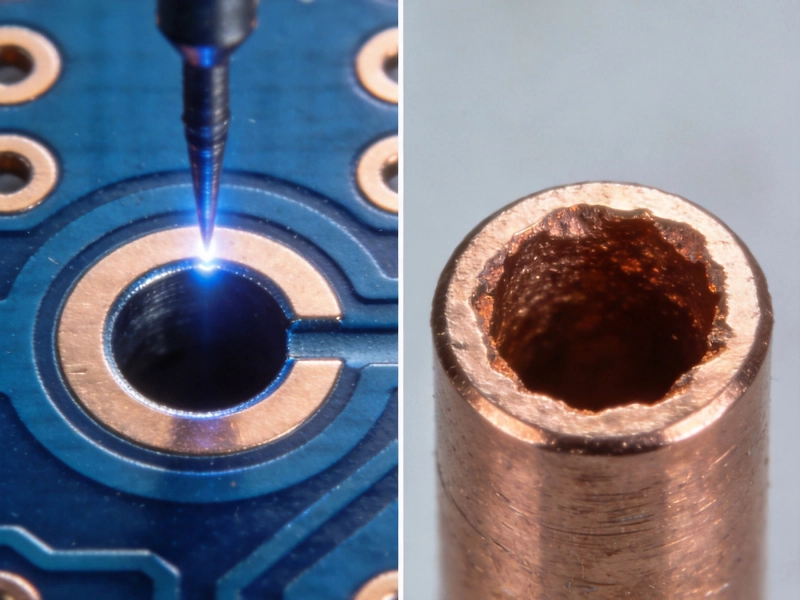
Laser Drilling vs. Mechanical Drilling: Precision in HDI ManufacturingJuly/07/2026

10 Questions to Ask Your Potential PCB Prototype Manufacturer in ChinaJuly/07/2026
What is Heavy Copper PCB? Complete Guide from China ManufacturerMay/18/2026