In the world of Electronics Development, time is often the difference between success and failure. When you need emergency PCB runs to meet critical project deadlines, the question becomes: can Chinese manufacturers deliver the speed you need without compromising quality? This is a question that development teams around the world are increasingly asking as product cycles shorten and competitive pressures intensify.
China has long been known for its manufacturing scale and cost advantages, but the perception of slow lead times has made some engineers hesitate when emergency situations arise. However, the reality of Chinese Pcb Manufacturing has changed dramatically in recent years. Advanced facilities, streamlined processes, and specialized quick-turn services have transformed China's manufacturing landscape, making it a viable option for urgent projects that once seemed impossible to meet.
This comprehensive guide examines the capabilities, challenges, and strategies for meeting tight deadlines with Chinese PCB manufacturers. Whether you're facing a critical product launch, a field failure requiring immediate replacement, or an unexpected design change, understanding how to leverage Chinese manufacturing for emergency runs can be a game-changer for your project timeline.

The Evolution of Chinese PCB Manufacturing Speed
To understand the current state of emergency PCB capabilities in China, it helps to understand how far Chinese manufacturing has come in recent years.
Historical Context
A decade ago, common perceptions about Chinese manufacturing included:
- Extended lead times: Standard lead times often exceeded 2-3 weeks for basic boards
- Limited quick-turn options: Fast turnaround services were rare and expensive
- Communication barriers: Language and time zone differences created delays
- Quality concerns: Variable quality standards made expedited orders risky
- Bureaucratic processes: Order processing and approval workflows added time
These perceptions were largely accurate at the time, but the Chinese manufacturing landscape has undergone a remarkable transformation driven by massive investment in facilities, technology, and process optimization.
Today's Reality
Modern Chinese Pcb Manufacturing has evolved significantly:
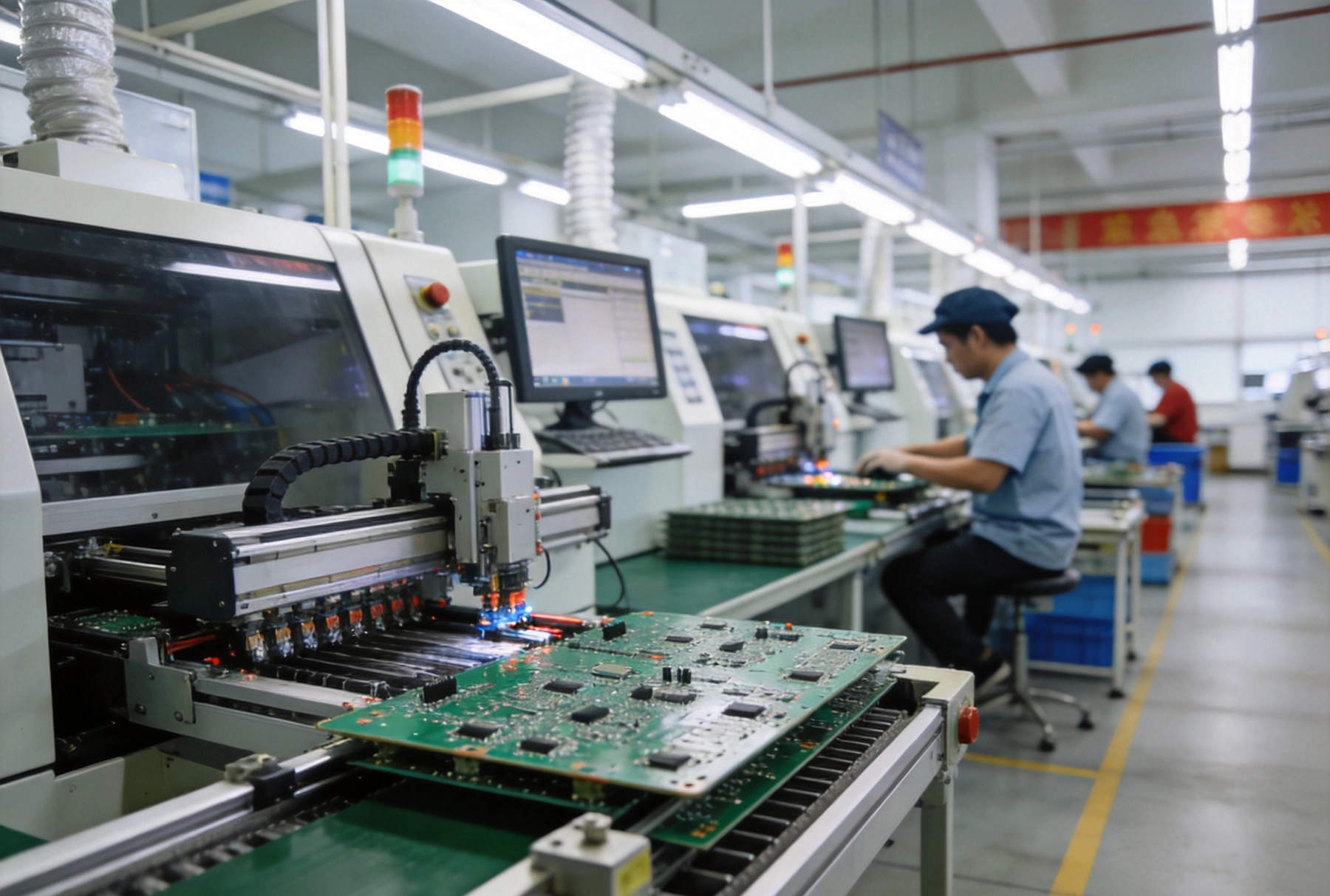
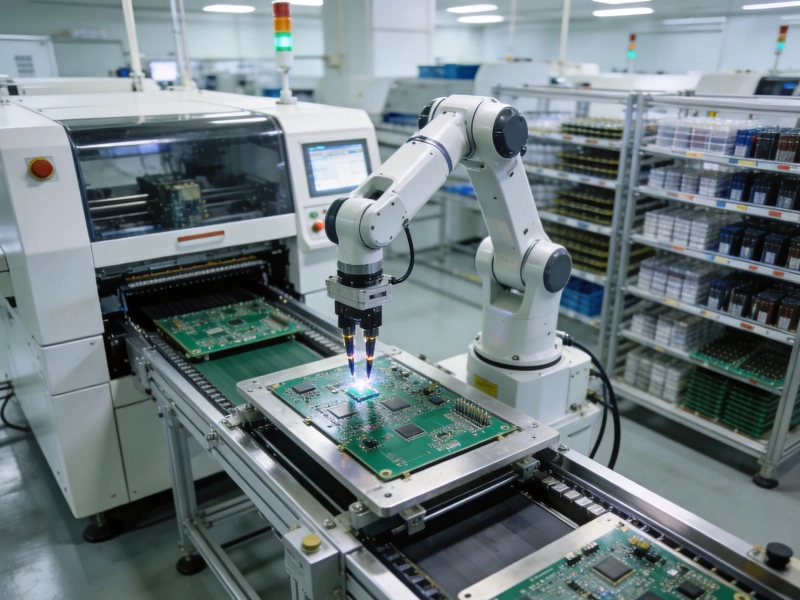
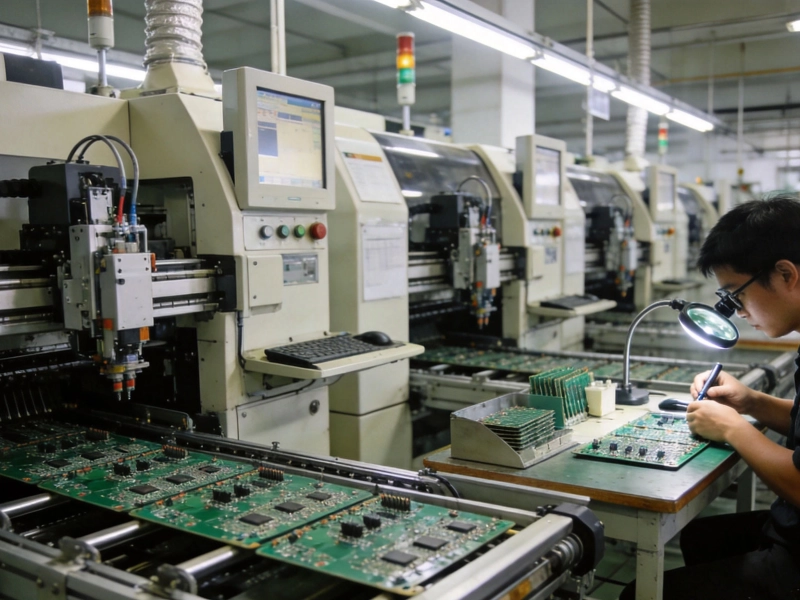
- Advanced facilities: State-of-the-art equipment comparable to or exceeding Western facilities
- Specialized quick-turn services: Dedicated capabilities for fast-turn production
- Improved communication: Professional English-speaking teams and real-time connectivity
- Quality certifications: ISO, UL, and industry-specific certifications widely available
- Streamlined processes: Digital workflows and automated systems accelerate order processing
Investment in Speed Capabilities
Chinese manufacturers have made substantial investments in speed-related capabilities:
- Equipment upgrades: Latest Laser Drilling, imaging, and plating equipment for faster processing
- Dedicated quick-turn lines: Production lines specifically for expedited orders
- 24/7 operations: Around-the-clock manufacturing to maximize throughput
- Material partnerships: Strategic relationships ensuring rapid material availability
- Process optimization: Continuous improvement initiatives reducing cycle times
Understanding Emergency PCB Capabilities in China
When evaluating whether Chinese manufacturers can meet your emergency needs, it's important to understand the specific capabilities and limitations of Quick-turn Pcb services.
What Constitutes an Emergency Run?
Emergency PCB runs can mean different things depending on your project requirements:
- 24-48 hour turnaround: True emergency service for critical situations
- 3-5 day production: Fast turnaround for urgent but not critical needs
- 1-week delivery: Accelerated service for time-sensitive projects
- Scheduled quick-turn: Planned fast service for project acceleration
Capabilities by Board Type
Emergency capabilities vary based on board complexity:
- Single and double-sided boards: Can often be produced in 24-72 hours at many facilities
- Multi-layer boards (4-6 layers): Typically 3-7 days for quick-turn service
- Complex multi-layer (8+ layers): Usually 5-14 days even with expedited service
- HDI boards: Variable based on complexity, typically 7-21 days minimum
- Flexible and rigid-flex: Specialized facilities required, typically 7-14 days minimum
Factors Affecting Emergency Turnaround
Several factors influence whether a Chinese manufacturer can meet your deadline:
- Board complexity: More complex boards require longer processing time
- Material availability: In-stock materials accelerate production; special materials add time
- Order queue: Current production load affects scheduling flexibility
- Surface finish: Some finishes have longer processing times than others
- Testing requirements: Comprehensive testing adds time to the process
- Documentation: Complex documentation requirements can slow processing
Advantages of Chinese Manufacturers for Emergency Runs
Chinese manufacturers offer several distinct advantages for emergency PCB runs that make them increasingly competitive with local alternatives.
Scale and Capacity
The scale of Chinese manufacturing provides inherent advantages:
- Massive facilities: Some facilities span hundreds of thousands of square meters
- Multiple production lines: Parallel production capacity for faster throughput
- Material inventory: Extensive in-stock materials for immediate availability
- Specialized departments: Dedicated teams for quick-turn orders
- Backup capabilities: Redundant equipment and processes for reliability
Cost Advantages
Even for emergency runs, Chinese manufacturing often offers cost benefits:
- Lower labor costs: Reduced manufacturing costs even with expedited service
- Competitive pricing: Multiple competing manufacturers keep prices competitive
- Economies of scale: Volume capabilities reduce per-unit costs
- Efficient processes: Optimized workflows minimize premium pricing
- Material sourcing: Direct material partnerships reduce costs
Technology and Quality
Modern Chinese facilities rival or exceed Western capabilities:
- Advanced equipment: Latest Japanese, European, and American manufacturing equipment
- Quality certifications: Iso 9001, Iso 14001, UL, and IPC certifications
- Process control: Statistical process control and automated inspection
- Testing capabilities: Comprehensive electrical testing, Aoi, and X-ray Inspection
- Technical expertise: Experienced engineers and technicians
Time Zone Advantages
The time zone difference can actually work in your favor:
- Continuous progress: Work proceeds while you sleep, effectively extending your day
- Real-time updates: Morning status reports when you start your workday
- Problem resolution: Issues identified and addressed during your overnight hours
- Parallel communication: Teams can work simultaneously on different aspects of your order
Challenges and Considerations
Despite the advantages, there are challenges to consider when using Chinese manufacturers for emergency PCB runs.
Shipping and Logistics
Shipping is often the biggest challenge for emergency orders:
- Transit time: Air freight typically takes 3-5 days; sea freight takes weeks
- Customs clearance: Import procedures can add 1-3 days to delivery time
- Shipping costs: Express shipping premiums can significantly increase costs
- Reliability: Carrier delays and weather issues are unpredictable
- Documentation: Proper shipping documentation is essential for customs
Communication Considerations
Communication challenges can impact emergency situations:
- Language barriers: Technical communication may require careful explanation
- Time zone differences: Requires adjustment to different working hours
- Response time: May need to wait for next-day responses on urgent issues
- Technical clarification: Complex technical discussions take longer
- Documentation: Written communication may require extra care
Quality Assurance
Ensuring quality on expedited orders requires attention:
- Rushed processes: Faster processing may reduce inspection time
- Component verification: Material verification becomes more critical
- Testing depth: Balance between speed and comprehensive testing
- First article inspection: May need additional validation steps
- Problem escalation: Clear protocols for addressing quality issues
Financial Considerations
Emergency orders often come with premium pricing:
- Expedite fees: Additional charges for priority processing
- Minimum order premiums: Small quantity orders may have higher per-unit costs
- Shipping costs: Express shipping significantly adds to total cost
- Payment terms: May require prepayment or faster payment for emergency orders
- Currency considerations: Exchange rate fluctuations affect final costs
Strategies for Successful Emergency Runs
Success with emergency PCB runs in China requires careful planning and execution. Here are proven strategies for maximizing your chances of meeting tight deadlines.
Pre-Planning and Relationship Building
Preparation is key to emergency success:
- Identify partners early: Pre-qualify manufacturers before you need them urgently
- Establish accounts: Set up accounts and approval processes in advance
- Share regular orders: Build relationships through consistent business
- Understand capabilities: Know which manufacturers excel at which capabilities
- Document preferences: Establish clear specifications and preferences
Effective Communication Strategies
Clear communication is essential for emergency orders:
- Be explicit about urgency: Clearly communicate deadlines and consequences of missing them
- Provide complete information: Full documentation prevents delays from clarification
- Designate contacts: Have dedicated personnel for emergency communications
- Use multiple channels: Combine email, phone, and messaging for faster response
- Confirm understanding: Verify that manufacturers understand your requirements
Design Optimization for Speed
Design choices can significantly impact turnaround time:
- Use standard materials: In-stock materials are faster than special orders
- Simplify where possible: Fewer layers and simpler processes are faster
- Standard surface finishes: Common finishes like Hasl or Enig are faster than specialty options
- Minimize testing: Balance testing requirements against time constraints
- Panelize efficiently: Standard panel sizes speed production
Logistics Planning
Shipping strategy is critical for emergency success:
- Research shipping options: Understand available carriers and transit times
- Budget for express: Plan for premium shipping costs upfront
- Track shipments: Monitor progress and anticipate delays
- Plan for customs: Ensure proper documentation to avoid clearance delays
- Have backup plans: Consider alternative shipping routes if needed
When Chinese Emergency Manufacturing Makes Sense
Understanding when to choose Chinese manufacturers for emergency runs helps optimize your sourcing strategy.
Good Fit for Chinese Emergency Runs
Chinese emergency manufacturing is ideal when:
- Lead time allows: You have 5+ days for manufacturing plus shipping
- Board complexity is moderate: Standard multi-layer or simpler boards
- Volume is significant: Larger quantities benefit from cost advantages
- Quality is critical: You need reliable, certified quality
- Cost matters: Budget constraints make cost efficiency important
Consider Alternatives When
Local manufacturing may be better when:
- True 24-48 hour need: Only possible with local quick-turn services
- Very complex boards: Complex HDI or specialized requirements
- Small quantities: Local may be more cost-effective for prototypes
- Field failure emergency: Immediate replacement needed
- Very low volume: One or two boards for immediate test needs
Hybrid Strategies
Consider combining approaches:
- Prototype locally, produce in China: Use local for initial prototypes, Chinese for volume
- Stock common boards: Maintain inventory of predictable requirements in China
- Parallel sourcing: Use both local and Chinese for critical applications
- Regional partners: Consider manufacturers in nearby regions like Vietnam or Malaysia
Selecting the Right Chinese Partner for Emergency Runs
Not all Chinese manufacturers are equal when it comes to emergency capabilities. Here's how to select the right partner.
Key Evaluation Criteria
When evaluating manufacturers for emergency capability, consider:
- Quick-turn experience: Demonstrated track record with emergency orders
- Emergency services: Dedicated quick-turn programs or services
- Communication responsiveness: Ability to respond quickly to urgent requests
- Quality consistency: Reliable quality even under time pressure
- Problem resolution: Effective handling of issues that arise
Questions to Ask Potential Partners
Ask these questions to assess emergency capabilities:
- What is your fastest possible turnaround for my board type?
- Do you have a dedicated quick-turn service?
- What are the additional costs for emergency processing?
- How do you handle quality issues on expedited orders?
- What shipping options do you offer for urgent delivery?
- Can you provide references from similar emergency orders?
Red Flags to Watch For
Be cautious of manufacturers who:
- Promise unrealistic turnaround times
- Have no track record with emergency orders
- Cannot explain their quick-turn processes
- Lack quality certifications or documentation
- Have poor communication responsiveness
- Cannot provide references from emergency situations
Managing Risk in Emergency Orders
Emergency orders carry inherent risks that should be managed carefully.
Quality Risk Management
Protect quality even when time is short:
- Verify manufacturer qualifications: Ensure they have proven emergency capabilities
- Request samples first: If time allows, order samples before full production
- Specify testing requirements: Clearly define required testing even for emergency orders
- Plan for inspection: Include incoming inspection in your quality process
- Document issues: Track any quality problems for future reference
Supply Chain Risk
Mitigate supply chain risks:
- Confirm material availability: Verify materials are in stock before ordering
- Have backup options: Identify alternative manufacturers if primary falls through
- Track shipments: Monitor transit to anticipate and address delays
- Insure shipments: Protect against loss or damage during transit
- Plan for contingencies: Have plans B, C, and D ready
Financial Risk Management
Protect yourself financially:
- Understand costs: Get complete cost breakdowns before ordering
- Negotiate terms: Establish payment terms that protect your interests
- Consider escrow: For large orders, consider payment protection options
- Budget for surprises: Include contingency in your cost estimates
- Document agreements: Ensure all terms are in writing
The Future of Emergency PCB Manufacturing in China
The future looks bright for emergency PCB capabilities in China as the industry continues to evolve.
Technology Advancements
New technologies are improving emergency capabilities:
- Automation: Increased automation speeds processing and reduces errors
- AI and machine learning: Optimization of production scheduling and Quality Control
- Digital connectivity: Real-time monitoring and communication throughout production
- Advanced materials: New materials enabling faster processing
Service Evolution
Service models are evolving:
- Dedicated emergency services: Specialized quick-turn programs becoming more common
- Global partnerships: Chinese manufacturers establishing Western presences
- Hybrid models: Combining local touch with Chinese manufacturing scale
- Transparent pricing: Clearer pricing structures for emergency services
Competitive Dynamics
Competition continues to drive improvements:
- More players: Growing number of capable quick-turn manufacturers
- Capability expansion: Manufacturers expanding into new quick-turn capabilities
- Service innovation: New service models and support options
- Quality improvements: Overall quality levels continuing to rise
Conclusion
The question of whether Chinese manufacturers can meet tight deadlines for emergency PCB runs has a nuanced answer: yes, but with important considerations. Chinese manufacturing has evolved dramatically and can now deliver impressive turnaround times for many applications, particularly when 5+ days are available for production plus shipping.
The advantages of Chinese manufacturing—cost efficiency, scale, technology, and quality—apply even to emergency situations. With proper planning, effective communication, and realistic expectations, Chinese manufacturers can be excellent partners for urgent PCB needs while offering benefits that local alternatives cannot match.
However, success requires understanding the unique challenges of Chinese emergency manufacturing, including shipping logistics, communication considerations, and the need for thorough preparation. By building relationships before emergencies arise, communicating clearly, and planning effectively, you can leverage Chinese manufacturing to meet deadlines that once seemed impossible.
The key is to match your sourcing strategy to your specific needs. For true emergencies requiring 24-48 hour turnaround, local services may still be necessary. But for the vast majority of urgent situations where 5-14 days is acceptable, Chinese manufacturers offer compelling advantages that make them an excellent choice for emergency PCB runs.
As Chinese manufacturing continues to evolve, its emergency capabilities will only improve. Companies that learn to effectively leverage these capabilities will gain significant competitive advantages in speed-to-market and cost efficiency—advantages that can make the difference between market leadership and being left behind.
Frequently Asked Questions
Q: What is the fastest turnaround time for PCBs from Chinese manufacturers?
A: The fastest turnaround varies by board type. Simple single and double-sided boards can sometimes be produced in 24-48 hours at facilities with quick-turn services. Multi-layer boards typically require 3-7 days minimum, even with expedited service. However, shipping time must be added to production time.
Q: How much does emergency processing cost with Chinese manufacturers?
A: Emergency processing typically adds 20-100% premium to standard pricing, depending on the level of urgency and board complexity. Additional costs may include express shipping and expedited material sourcing. However, the base manufacturing cost in China is often lower than local alternatives, offsetting some premium pricing.
Q: Is quality compromised when ordering emergency PCBs from China?
A: Quality should not be compromised if you work with reputable manufacturers. Quality depends on the manufacturer's capabilities and processes, not just turnaround time. Reputable manufacturers have quality systems that ensure consistent quality even on expedited orders. Always verify qualifications and references before ordering.
Q: How can I reduce shipping time for emergency Chinese PCB orders?
A: Shipping time can be reduced by using express air freight (3-5 days typically), choosing manufacturers with Western warehouse locations, planning for customs documentation in advance, and considering regional alternatives like Vietnam or Malaysia that may be closer.
Q: What information should I provide for emergency PCB orders?
A: For emergency orders, provide complete design files (Gerber, NC drill, etc.), complete specifications (materials, layers, thickness, finish, etc.), clear delivery deadline with consequences, contact information for urgent communications, and any special requirements or concerns upfront.