Open Nav

Finding a trustworthy SMT PCB Assembly partner in China can feel overwhelming, specially when your product's success depends on quality and reliability. With thousands of manufacturers competing for your business, how do you identify the one that will deliver consistent results? This guide reveals the critical factors that separate reliable partners from risky suppliers, helping you make informed decisions for your Electronics Manufacturing needs.

The foundation of any reliable SMT PCB Assembly partner lies in their commitment to internationally recognized quality standards. When evaluating potential partners, look for certifications that demonstrate their dedication to excellence and continuous improvement.
Iso 9001:2015 Certification serves as the baseline requirement, indicating that the manufacturer has implemented a robust Quality Management system. This certification ensures consistent processes, documented procedures, and a framework for continuous improvement. However, for Electronics Manufacturing, Iso 9001 alone isn't sufficient.
Iso 13485 becomes essential if your products target medical device applications. This certification demonstrates compliance with stringent medical device Quality Management requirements, including traceability, risk management, and regulatory documentation processes.
Iatf 16949 certification signals capability to serve Automotive Electronics clients, where zero-defect mentalities and advanced quality planning are mandatory. Automotive suppliers must demonstrate statistical process control, failure mode analysis, and supply chain management rigor.
Beyond certifications, examine their Ipc-a-610 compliance for workmanship standards. Ask whether their operators hold IPC certification and request documentation of their internal quality audit schedules. Reliable partners maintain training records and conduct regular quality reviews.
Modern SMT Pcb Assembly demands significant capital investment in precision equipment. A reliable partner should demonstrate commitment to staying current with technology and maintaining equipment properly.
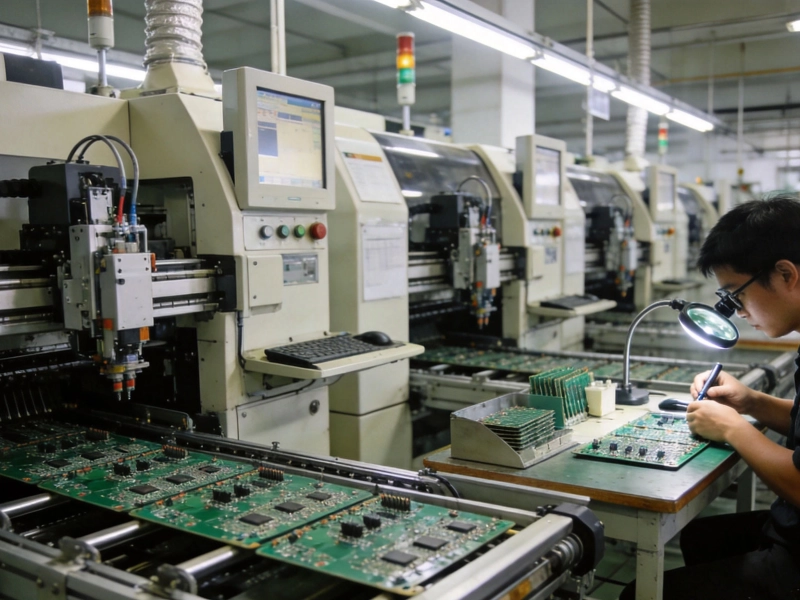
Surface Mount Technology Equipment represents the heart of assembly operations. Look for high-speed pick-and-place machines capable of handling component packages from 0201 to large BGA devices. Modern equipment should achieve placement accuracy within 50 microns and placement speeds exceeding 100,000 components per hour for high-volume production.
Solder paste printing systems significantly impact first-pass yield. Advanced partners use automated solder paste inspection (SPI) equipment that measures paste volume, height, and area ratio on every pad. This prevents defects before they occur, reducing rework costs and improving throughput.
Reflow soldering ovens should offer multiple heating zones with nitrogen inerting capabilities for lead-free soldering. Ask about their reflow profile development process and whether they use profile measurement equipment for verification.
Quality inspection systems demonstrate commitment to defect prevention. Automated Optical Inspection (Aoi) machines should cover post-print, post-placement, and post-reflow stages. X-ray Inspection equipment becomes mandatory for BGA and hidden solder joint verification.
Don't hesitate to request equipment lists, maintenance schedules, and calibration records. Reliable partners maintain documentation readily available for customer review.
Beyond equipment, the human element often determines project success. Reliable SMT Pcb Assembly partners invest in engineering talent that adds value beyond basic manufacturing services.
Design For Manufacturing (Dfm) support separates basic assemblers from true partners. Engineers should review your designs for manufacturability issues, suggesting improvements that reduce costs and improve yields. They might recommend pad size adjustments, component package alternatives, or layout modifications that enhance assembly reliability.
Process development capabilities become critical for complex assemblies or new technology introduction. Partners should demonstrate experience developing specialized processes for challenging applications like fine-pitch QFPs, large BGAs, or mixed-technology assemblies combining SMT and through-hole components.
Failure analysis and troubleshooting expertise helps resolve production issues quickly. Ask about their laboratory capabilities and whether they employ specialists in solder joint analysis, cross-sectioning, or reliability testing.
During facility visits or video calls, observe how engineers interact with production staff. Reliable partners foster collaboration between design, process, and production teams, creating environments where problems get solved quickly.
In today's constrained component market, supply chain capabilities can determine project feasibility. Reliable partners demonstrate robust sourcing strategies and transparent communication about availability challenges.
Authorized distribution relationships protect against counterfeit components. Partners should purchase critical components through authorized channels like Arrow, Avnet, or Digi-Key, maintaining chain of custody documentation. Ask about their counterfeit detection procedures and whether they perform incoming inspection on sourced components.
Inventory management strategies vary between partners. Some maintain component stockpiles for high-turnover items, while others operate just-in-time models. Understand their approach and how they balance cost efficiency with supply security.
Component obsolescence management becomes important for long-lifecycle products. Partners should monitor component lifecycle status and provide early warnings about upcoming discontinuations. They might suggest equivalent alternatives or recommend lifetime buys before components become unavailable.
Request information about their supplier qualification processes, safety stock policies, and lead time management strategies. Transparent partners share this information openly, helping you make informed decisions about your supply chain.
Geographic distance amplifies communication challenges when working with Chinese manufacturing partners. Reliable suppliers invest in communication infrastructure and assign dedicated personnel to customer accounts.
English proficiency extends beyond basic conversation. Technical staff should communicate complex issues clearly, using proper terminology for manufacturing processes, defect types, and quality metrics. Video calls help assess communication capabilities before committing to partnerships.
Dedicated project managers serve as single points of contact, coordinating between engineering, production, and quality teams. They provide regular status updates, escalate issues appropriately, and ensure deliverables meet specifications.
Documentation practices reveal organizational maturity. Partners should maintain revision-controlled work instructions, inspection criteria, and test procedures. Request samples of their First Article Inspection reports, traveler documents, and quality records.
Response time expectations should be established early. Reliable partners respond to urgent inquiries within hours, while routine requests receive attention within one business day. Time zone differences require clear communication protocols.
Comprehensive Quality Control distinguishes reliable partners from suppliers who simply assemble components. Understanding testing capabilities helps set realistic expectations for defect rates and reliability.
In-circuit test (ICT) capabilities enable component-level verification that functional testing cannot provide. Fixtured bed-of-nails testers or flying probe systems verify component values, orientation, and solder joint integrity before functional testing.
Functional test development support helps transform design requirements into production test procedures. Partners should offer test fixture design services and test software development capabilities.
Environmental Testing facilities enable reliability verification without third-party laboratory delays. Ask about temperature cycling, humidity exposure, vibration testing, and thermal shock capabilities if your application demands environmental qualification.
Reliable partners maintain statistical process control (SPC) programs, tracking key process parameters and acting before processes drift out of specification. Request examples of their SPC charts and corrective action procedures.
Commercial terms often determine whether partnerships succeed long-term. Reliable partners balance competitive pricing with sustainable margins that support quality investments.
Pricing transparency helps you understand cost drivers and identify optimization opportunities. Partners should provide itemized quotes separating PCB Fabrication, components, assembly labor, and testing costs.
Minimum order quantities (MOQs) vary significantly between suppliers. Some partners accommodate prototype quantities while others focus on production volumes. Understanding MOQ policies helps align supplier selection with your production stage.
Lead time commitments should match your schedule requirements. Reliable partners provide realistic delivery estimates rather than promising impossible timelines. They maintain visibility into production schedules and communicate delays immediately.
Payment terms vary based on relationship history, order values, and customer credit. New partnerships might require deposits or letters of credit, while established relationships often qualify for net-30 terms.
Selecting a reliable SMT PCB assembly partner in China requires thorough evaluation of technical capabilities, quality systems, communication practices, and business terms. Focus on certifications like ISO 9001, Iso 13485, and Iatf 16949, but look beyond certificates to understand implementation depth. Assess equipment capabilities, engineering expertise, and Quality Control processes that ensure consistent results.
Supply chain management capabilities grow increasingly important as component availability challenges persist. Choose partners with authorized distribution relationships and obsolescence management programs. Communication skills and project management dedication often determine whether partnerships succeed or struggle.
Take time to visit facilities or conduct detailed video assessments before committing. Reliable partners welcome scrutiny, confident that transparency builds trust. Your due diligence upfront prevents costly problems later, establishing partnerships that support your products' success.
Look for ISO 9001:2015 as a baseline requirement, plus industry-specific certifications like ISO 13485 for medical devices or IATF 16949 for automotive applications. Ipc-a-610 certification for workmanship standards and IPC operator certifications demonstrate commitment to quality workmanship.
Request quality system documentation, audit reports, and equipment maintenance records. Ask for examples of First Article Inspection reports, traveler documents, and corrective action records. Consider third-party audits or facility visits to verify claims directly.
Essential capabilities include Automated Optical Inspection (Aoi), X-ray Inspection for BGA verification, and in-circuit testing. Advanced partners offer functional test development, Environmental Testing facilities, and statistical process control programs.
Choose partners who purchase through authorized distribution channels and maintain chain of custody documentation. Request incoming inspection procedures and counterfeit detection protocols. Avoid partners who source components exclusively from broker markets.
Expect dedicated project managers, English-proficient technical staff, and documented communication protocols. Reliable partners respond to urgent inquiries within hours and routine requests within one business day. They provide regular status updates and immediate escalation of issues.
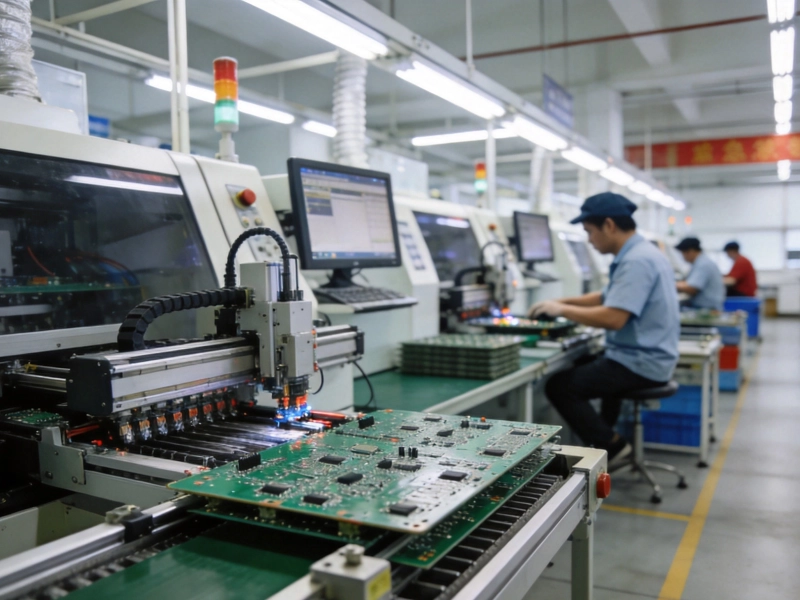
Emergency PCB Runs: Can Chinese Manufacturers Meet Tight Deadlines?August/14/2026
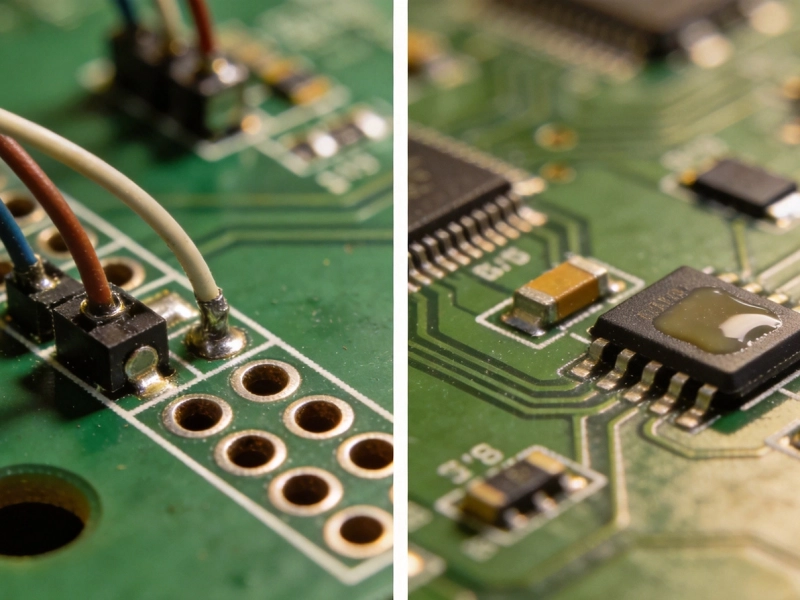
Thru-Hole vs. SMT: Choosing the Right Assembly TechnologyJuly/28/2026
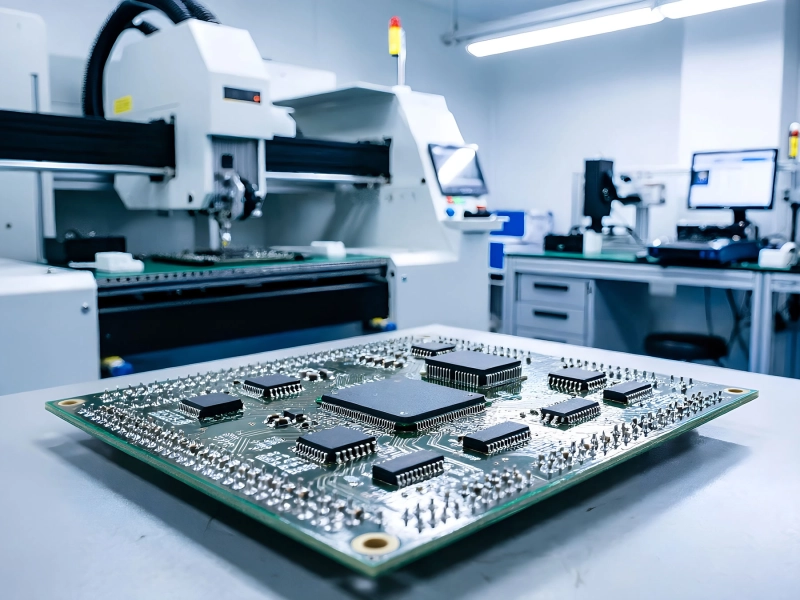
Top 10 DFM Mistakes to Avoid Before Sending Files to China for SMT AssemblyJuly/15/2026

The Rise of Flexible PCBs in Foldable Phone HingesJuly/14/2026

BGA Assembly Challenges: X-Ray Inspection and Voiding IssuesSeptember/17/2026
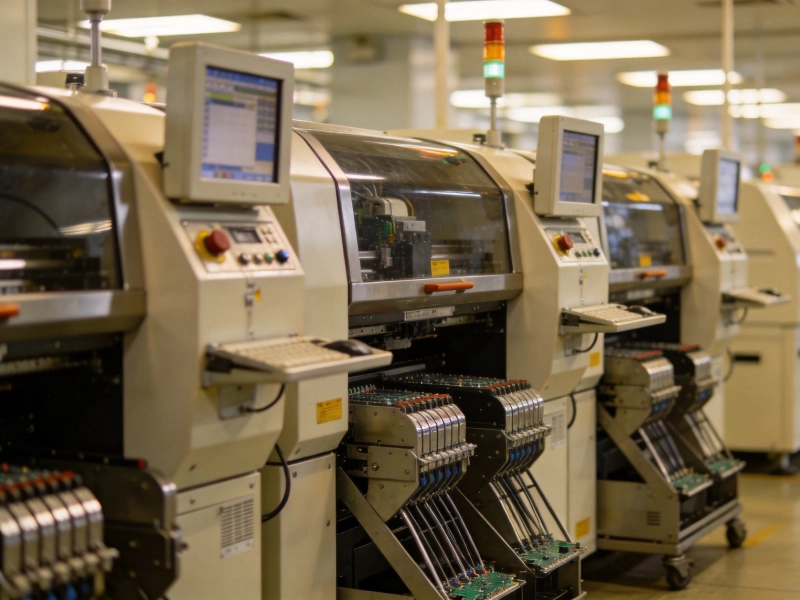
Turnkey PCB Assembly: Simplifying Your Supply Chain with One VendorOctober/10/2026
The Complete Guide to SMT PCB Assembly in ChinaJune/17/2026
Designing for SMT: Pad Sizes, Spacing, and OrientationJuly/12/2026