Open Nav

Managing a fragmented supply chain is one of the biggest headaches in Electronics Manufacturing. You source bare boards from one shop, buy components from multiple distributors, then ship everything to an assembler who was never in the loop on your design intent. Each handoff introduces delays, miscommunication, and opportunities for defects. Turnkey PCB Assembly eliminates that chaos by placing fabrication, component procurement, and board assembly under a single vendor—transforming three disconnected processes into one seamless workflow.
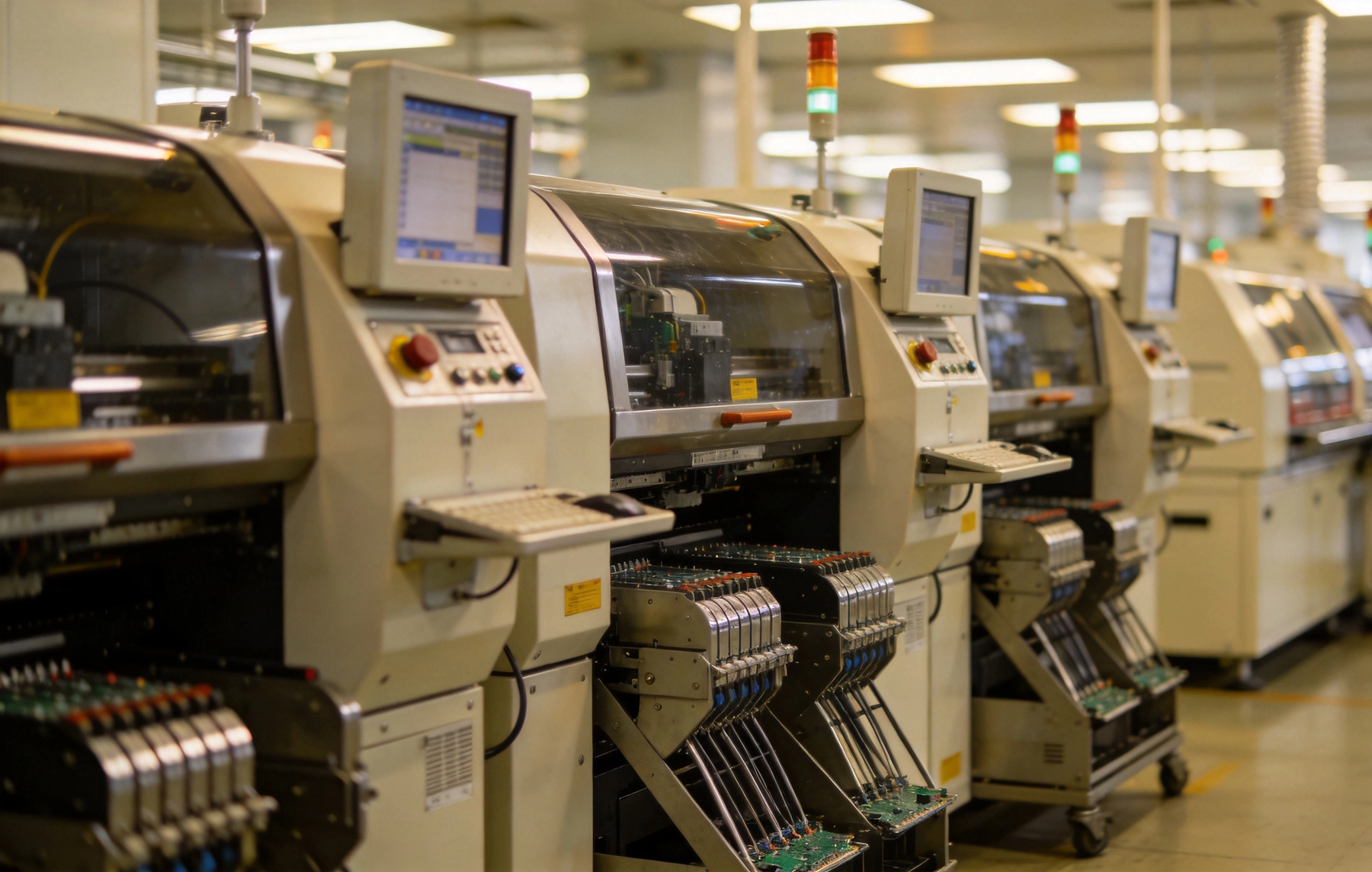
Turnkey PCB Assembly is a full-service manufacturing model where one vendor handles every step from bare board fabrication through component sourcing and final assembly—including soldering, inspection, and testing. The customer provides design files (Gerbers, BOM, and pick-and-place data), and the vendor returns finished, tested boards ready for integration.
The word "turnkey" comes from the idea that you turn one key and the whole process runs. Compare that to the conventional approach:
The difference is not just convenience—it is risk reduction. When one vendor owns the entire pipeline, they also own the quality outcomes at every stage.
Every time materials change hands between unrelated parties, information degrades. A fab house may not know that your assembler requires specific Panelization rails. A component distributor may substitute a part without flagging a footprint mismatch. These gaps surface late—often during assembly or test—when fixes are expensive.
A turnkey vendor internalizes those handoffs. The fabrication team knows exactly what the assembly line needs because they share the same engineering database. Component sourcing is validated against the actual PCB layout, not just a BOM spreadsheet. The result is a dramatic drop in first-article failures and iterations.
In a multi-vendor workflow, lead times are additive: fabrication takes 5–7 days, component sourcing adds 2–4 weeks for long-lead parts, and assembly queues another 3–5 days after everything arrives. Total elapsed time can easily exceed four weeks.
Turnkey vendors collapse that timeline. Because they source components in parallel with board fabrication—and because their procurement team has established relationships with component manufacturers and authorized distributors—typical turnkey lead times run 10–15 business days for prototype quantities and 15–25 days for small-batch production. That is not a marginal improvement; it is a fundamental change in how fast you can iterate.
When something goes wrong in a multi-vendor chain, finger-pointing is inevitable. The fab house blames the designer for poor stack-up specifications. The assembler blames the fab house for solder-mask registration errors. The component supplier blames the distributor for a counterfeit part. You—the customer—are stuck playing referee.
With turnkey, there is exactly one responsible party. If a board fails ICT, the vendor cannot deflect. They fabricated it, they sourced the parts, they assembled it. That accountability drives better internal quality controls and faster corrective action.
Not all turnkey providers offer the same scope, but a comprehensive program typically includes:
A common misconception is that turnkey services carry a premium over self-managed procurement. In reality, the Total Cost Of Ownership often favors turnkey, especially for small and mid-volume production.
When you manage the supply chain yourself, you incur costs that rarely appear on any invoice:
Turnkey vendors absorb most of these hidden costs through their integrated process. Their component purchasing power—aggregated across many customers—often yields better pricing than a single buyer can negotiate. And because they control the entire flow, they can optimize Panelization, combine production runs, and reduce waste in ways that disconnected vendors cannot coordinate.
Turnkey Assembly shines particularly in low- and mid-volume scenarios where the overhead of multi-vendor coordination is disproportionate to the order size. Prototypes, NPI builds, and production volumes from 50 to 5,000 units benefit most. At very high volumes (100,000+ units), the economics shift and dedicated line arrangements may become competitive—but even then, many OEMs prefer turnkey for the Supply Chain Resilience it provides.
Choosing the right turnkey partner is critical. Here are the factors that separate reliable providers from those who simply relabel partial services as "turnkey":
Verify that the vendor can actually build your design. Key questions:
A genuine turnkey vendor maintains established relationships with authorized distributors and component manufacturers. Ask about:
Look for certifications that demonstrate process discipline:
The best turnkey vendors treat you as a partner, not a transaction. They should provide:
The BOM is the foundation of Turnkey Assembly. Vague part descriptions, missing manufacturer part numbers, or informal internal references force the vendor to guess—and guesses lead to wrong parts on your board. Supply complete MPNs, acceptable alternatives, and reference designators for every component.
If your design includes 0.3mm pitch BGAs and the vendor's pick-and-place accuracy is rated for 0.5mm pitch, you will get poor yields. Have an honest capability discussion before placing the order. A good vendor will tell you what they can and cannot reliably build.
When the vendor flags a stack-up concern or a solder-mask clearance issue, take it seriously. Their feedback is based on thousands of builds, not theory. Ignoring DFM warnings is the single most common cause of first-article failures in turnkey programs.
In competitive markets, speed wins. The ability to move from design freeze to tested hardware in two weeks instead of six can be the difference between launching on schedule and missing a critical market window. Turnkey assembly directly accelerates time to market by:
For startups and companies developing new products, this acceleration is not a luxury—it is a competitive necessity. Every week saved in hardware development is a week of earlier revenue, earlier user feedback, and earlier market validation.
Turnkey assembly is not a universal solution. Consider the trade-offs:
For the vast majority of electronics companies—especially those producing under 10,000 units per SKU—turnkey assembly offers the best balance of speed, cost, quality, and supply chain simplicity.
Turnkey Pcb Assembly is more than a convenience—it is a strategic supply chain decision that reduces risk, shortens lead times, lowers total cost, and simplifies project management. By consolidating fabrication, component sourcing, and assembly under one accountable vendor, you eliminate the coordination overhead and quality gaps that plague multi-vendor workflows. Whether you are building prototypes for a new product or ramping to mid-volume production, turnkey assembly gives you the operational simplicity and speed needed to compete in today's fast-moving electronics market.
Contact us to discuss your requirements.

The Rise of Flexible PCBs in Foldable Phone HingesJuly/14/2026

BGA Assembly Challenges: X-Ray Inspection and Voiding IssuesSeptember/17/2026
What to Look for in a Reliable SMT PCB Assembly Partner in ChinaAugust/10/2026
Designing for SMT: Pad Sizes, Spacing, and OrientationJuly/12/2026
Top 10 DFM Mistakes to Avoid Before Sending Files to China for SMT AssemblyJuly/15/2026
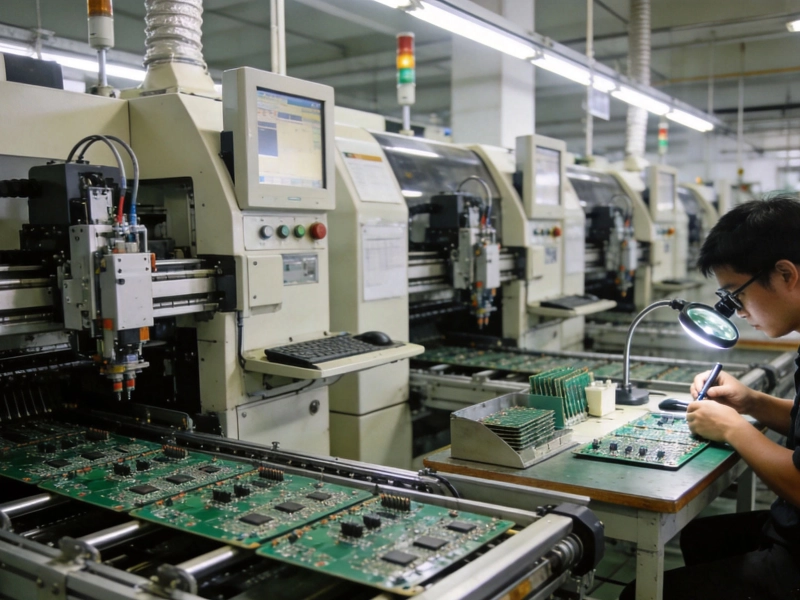
The Complete Guide to SMT PCB Assembly in ChinaJune/17/2026
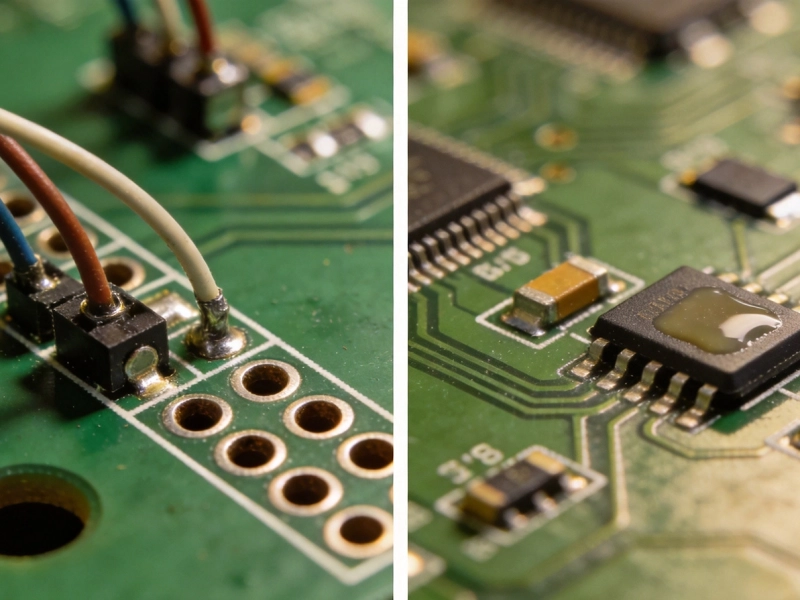
Thru-Hole vs. SMT: Choosing the Right Assembly TechnologyJuly/28/2026
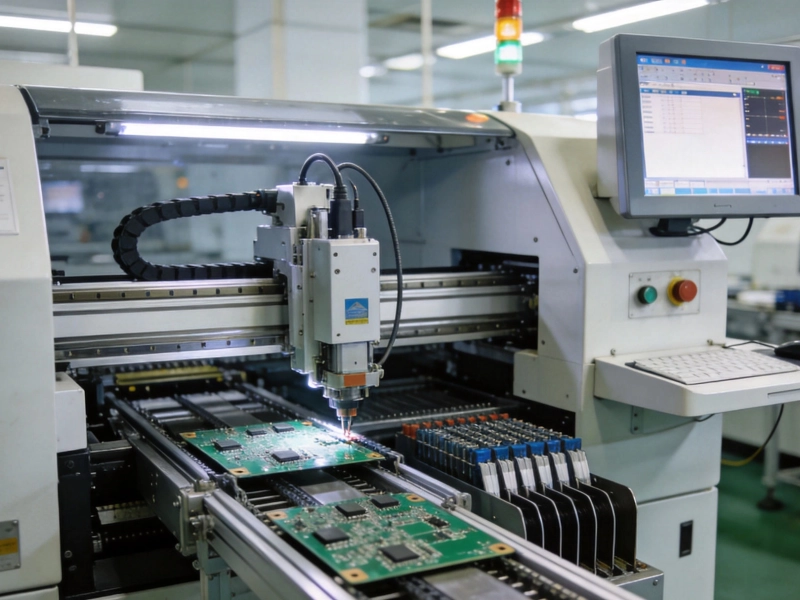
SMT PCB Assembly China: A Complete Guide for Global BuyersMay/18/2026