
When a patient depends on a cardiac monitor during surgery, or an insulin pump regulates dosage automatically, the printed circuit boards (PCBs) inside these devices rarely get mentioned. Nobody talks about them until something goes wrong. That silence is exactly why PCB selection for medical devices matters so much. The stakes aren't abstract—they're measured in human lives and regulatory scrutiny that can shut down product lines overnight.
Medical electronics operate under conditions that would destroy consumer-grade hardware. Devices must function reliably for years, often decades, sometimes in hostile environments. A diagnostic machine that runs 24/7 in a hospital faces thermal cycling, humidity variations, and electromagnetic interference that compound over time. Failures aren't just inconvenient—they're potentially catastrophic.
The distinction between medical-grade PCBs and standard commercial boards isn't superficial. Medical Pcb manufacturers operate under a completely different framework that touches every aspect of production. From material selection to documentation traceability, the requirements ripple through the entire Manufacturing Process in ways that general-purpose shops simply aren't equipped to handle.
This is why specialized High-reliability Pcb manufacturers have become essential partners rather than interchangeable vendors. They bring capabilities that go beyond equipment—expertise in compliance frameworks, quality systems, and the institutional knowledge that comes from serving regulated industries for decades.
Devices marketed in the United States must comply with FDA Quality System Regulation, which essentially mandates documented control over every manufacturing aspect. For PCB procurement, this translates into specific demands: complete material traceability, process validation documentation, and audit trails that can survive regulatory review.
Working with non-specialized manufacturers often creates gaps in this documentation. Standard commercial shops may produce excellent boards, but they typically lack the systems to generate the paper trails FDA inspectors expect. When an audit happens, those documentation gaps become expensive problems.
Medical device manufacturers increasingly understand that their PCB supplier's quality system is effectively an extension of their own. The FDA doesn't care where the documentation lives—it cares that it's complete and accessible when needed.
ISO 13485 represents the international standard for Quality Management systems in medical device manufacturing. PCB manufacturers holding this certification have demonstrated systematic processes for controlling design, production, and distribution of medical devices—or in their case, components that go into medical devices.
Achieving and maintaining ISO 13485 certification requires investment: regular audits, documented procedures, trained personnel, and management review processes. Not every manufacturer makes this investment. Those that do have signaling something important: they've built infrastructure specifically for regulated industries.
When evaluating potential PCB partners, ISO 13485 certification should be considered baseline qualification rather than a differentiator. Any manufacturer serious about medical electronics should hold current certification.
IEC 60601 establishes requirements for medical electrical equipment safety. This standard affects Pcb Design indirectly through requirements for insulation, creepage distances, and component ratings. A manufacturer unfamiliar with these requirements may produce boards that pass visual inspection but fail when subjected to the electrical safety testing medical devices must undergo.
Specialized Medical Pcb manufacturers typically have libraries of approved materials and design rules that align with IEC 60601 requirements. This isn't secret knowledge—it's documented in standards documents—but applying it correctly requires experience that general-purpose shops may lack.
Material choices in medical PCBs reflect the application's demanding nature. Standard FR-4 laminate works fine for consumer electronics with typical 5-year lifespans. Medical devices often need to function reliably for 10, 15, or even 20 years, sometimes in challenging thermal environments.
High-Tg (glass transition temperature) materials offer improved thermal stability for devices that experience temperature cycling during sterilization or operation. For imaging equipment and diagnostic devices, low-loss materials ensure Signal Integrity for the precision measurements these applications require.
Biocompatibility considerations enter the picture for devices with external contact or implantation. Materials must not introduce harmful substances through contact with body tissues or fluids. Specialized manufacturers maintain material certifications demonstrating biocompatibility compliance for relevant use cases.
Material traceability requirements exceed what commercial customers typically demand. Each batch of laminate should be traceable back to the manufacturer, lot number, and production date. When quality issues emerge, this traceability enables targeted recalls rather than blanket replacements.
Many medical devices require assembly in controlled environments to prevent contamination. Implantable devices, surgical tools, and certain diagnostic equipment need cleanroom manufacturing to ensure no foreign particles compromise functionality or safety.
Cleanroom classification (ISO 7, ISO 8, or more stringent) affects equipment investment, facility design, and operational procedures. Medical PCB manufacturers with cleanroom capabilities have made substantial capital investments specifically to serve medical device customers. This investment signals commitment to the medical market segment.
Beyond dedicated cleanrooms, contamination control extends to storage, packaging, and shipping procedures. Boards must remain clean through delivery and storage until assembly. Improper handling can introduce defects that aren't immediately apparent but emerge during device operation.
Medical device manufacturing requires validation that processes consistently produce intended results. For Pcb Manufacturing, this means documented evidence that lamination cycles, plating processes, and inspection procedures work as designed.
Process Validation typically involves Installation Qualification (IQ), Operational Qualification (OQ), and Performance Qualification (PQ). Medical PCB manufacturers maintain documentation packages that satisfy these requirements without requiring customers to conduct their own validation studies.
First Article Inspection (FAI) for medical applications goes beyond standard verification. Complete dimensional inspection, material verification, and process parameter confirmation create confidence that production boards match approved designs. This comprehensive approach catches issues that sampling-based inspection might miss.
Visual inspection alone cannot guarantee Pcb Quality for medical applications. Automated Optical Inspection (Aoi) systems catch defects like insufficient solder, component misalignment, and trace discontinuities with consistency that manual inspection cannot match.
For boards with hidden connections—Ball Grid Arrays (BGAs), Quad Flat No-leads (QFNs), and other bottom-terminated components—X-ray Inspection becomes essential. These packages hide critical joints beneath the component body, making visual verification impossible.
Medical PCB manufacturers typically invest in advanced inspection equipment and maintain trained personnel capable of interpreting results correctly. The equipment exists, but knowing how to use it effectively requires experience that comes from processing medical-grade boards consistently.
Medical devices often implement redundancy for critical functions. If one circuit fails, backup systems must maintain device operation or transition to safe state gracefully. This design philosophy affects PCB layout, component placement, and the interpretation of failure modes.
PCB designers working on medical devices need to understand how failures propagate through systems. Redundant traces, duplicated power rails, and separated ground planes for critical circuits all reflect reliability engineering principles specific to medical applications.
Failure Mode and Effects Analysis (FMEA) for medical PCBs identifies potential failure points and guides design decisions. Specialized manufacturers often provide Dfm feedback that incorporates FMEA insights, helping medical device companies develop more robust designs before production begins.
Heat is the enemy of electronic reliability. Medical devices often operate continuously, creating thermal stress that compounds over years of operation. Thermal Management isn't optional for medical applications—it's fundamental to achieving required lifespan.
High-reliability Pcb manufacturers understand thermal simulation and can recommend design modifications that improve Heat Dissipation. Thermal vias, exposed copper pads, and strategic component placement all contribute to managing temperatures within acceptable limits.
Thermal cycling tolerance matters for devices that undergo sterilization cycles or experience environmental temperature variations. Materials and design features that accommodate thermal expansion differences prevent crack formation that could compromise reliability over time.
Component sourcing for medical devices involves more than finding lowest prices. Long product lifecycles mean medical device companies may need to manufacture the same device for 10-15 years after initial launch. Components specified during design may become obsolete during this period.
Specialized medical PCB manufacturers maintain relationships with component distributors and often stock long-life components for medical applications. They understand how to navigate component obsolescence without compromising device compliance.
Counterfeit components pose risks in any electronics application, but medical devices require zero tolerance for suspect parts. Authorized distribution channels, component authentication procedures, and documentation of component provenance protect against counterfeit infiltration.
Choosing a medical PCB manufacturer involves evaluating technical capabilities, quality systems, regulatory experience, and commercial terms. Technical capability matters, but it's worthless without supporting quality systems and regulatory expertise.
Site audits reveal capabilities that documentation cannot fully communicate. Visiting potential partners allows direct observation of manufacturing conditions, equipment maintenance, and personnel competence. Many medical device companies include supplier audits as standard procurement procedure.
Experience in similar device categories provides confidence that manufacturers understand specific requirements. A shop experienced with diagnostic equipment may not be the best choice for implantable devices, and vice versa. Specific application experience often matters more than general medical market presence.
A medical PCB manufacturer should hold ISO 13485 certification as baseline qualification. Additional certifications like Iso 9001, AS9100 (aerospace), or specific product certifications may indicate broader quality system maturity. Verify current certification status through certificates or direct inquiry.
Medical PCBs typically cost more than commercial equivalents due to stricter quality controls, documentation requirements, and the specialized capabilities required. However, cost differences vary significantly based on complexity, volumes, and specific requirements. The total cost of poor quality—including regulatory consequences—usually exceeds the price premium for medical-grade manufacturing.
Essential documentation includes Certificate of Conformance, material certificates with traceability, inspection reports, process parameters for critical operations, and any relevant qualification data. For Class III devices or high-risk Class II devices, more comprehensive documentation packages may be necessary.
Some commercial manufacturers have capabilities that overlap with medical requirements, but they typically lack the quality systems, documentation practices, and regulatory experience that specialized medical PCB manufacturers provide. The risk of documentation gaps or quality system deficiencies often outweighs potential cost savings.
Medical PCB development typically requires longer lead times than commercial projects due to documentation review, qualification testing, and the more rigorous validation processes involved. Prototype quantities may require 2-3 weeks, while production quantities could take 4-8 weeks depending on complexity and manufacturer capacity.
The specialized requirements for medical device PCBs exist for good reasons—patient safety and regulatory compliance aren't negotiable. Working with specialized high-reliability PCB manufacturers provides medical device companies with partners who understand these requirements from experience rather than theory.
Investment in quality manufacturing relationships pays dividends throughout product lifecycles. Devices that perform reliably, documentation that satisfies auditors, and partners who anticipate requirements rather than react to problems—all flow from choosing the right Pcb Manufacturing partner initially.
Medical device development teams face enough challenges without adding PCB-related problems. Specialized manufacturers reduce that burden by providing capabilities, documentation, and expertise built specifically for the medical electronics market they serve.

High-Frequency PCBs in Radar and Satellite Communication SystemsAugust/03/2026
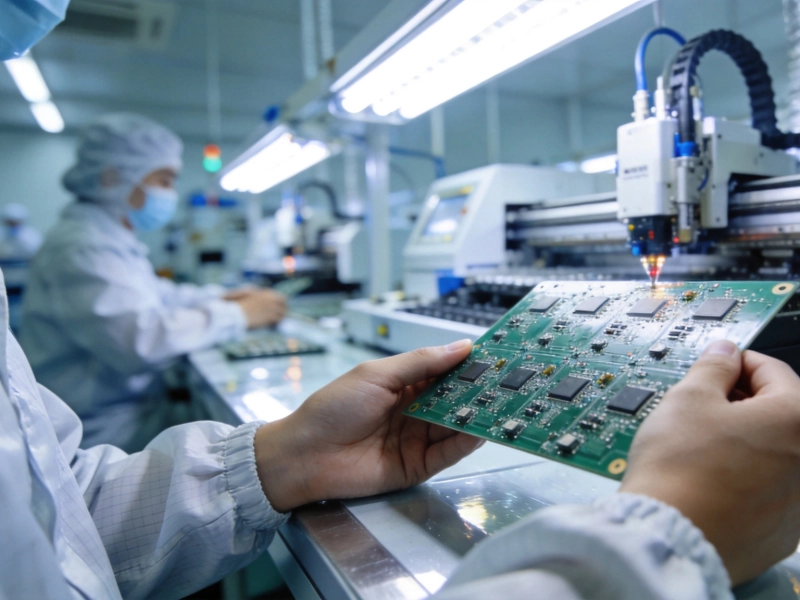
What to Look for in a Reliable SMT PCB Assembly Partner in ChinaAugust/11/2026
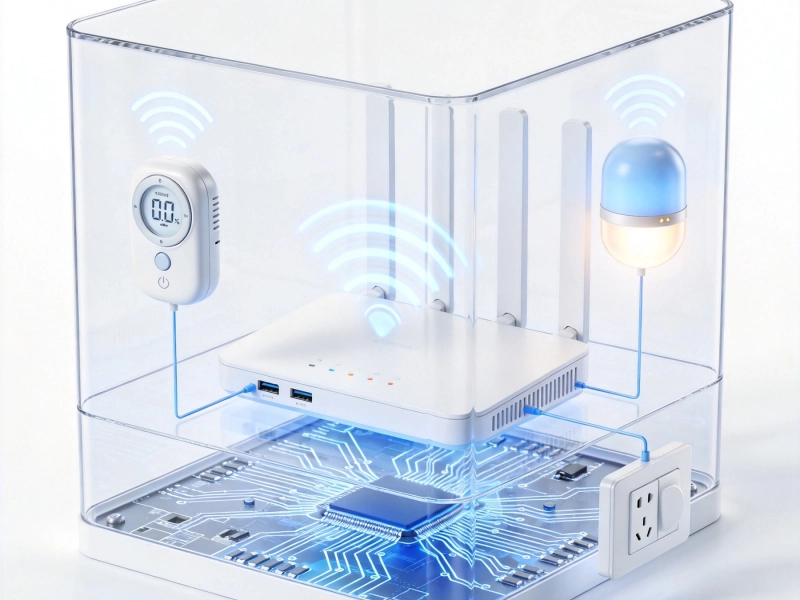
Smart Home Devices: Integrating High-Frequency PCBs for Wi-Fi/BluetoothSeptember/21/2026

Why Automotive Electronics Demand High-Reliability Multilayer PCBsJuly/13/2026
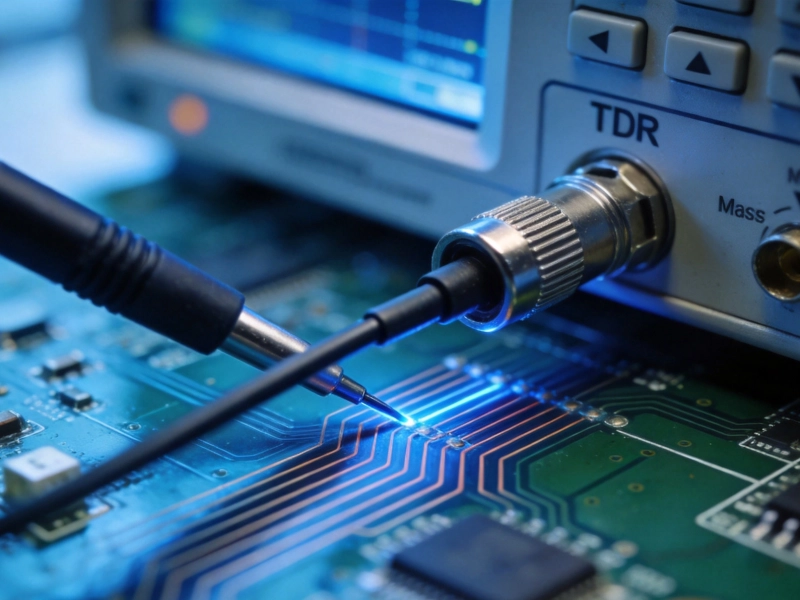
Controlled Impedance Testing: Ensuring Performance in High-Speed BoardsOctober/15/2026
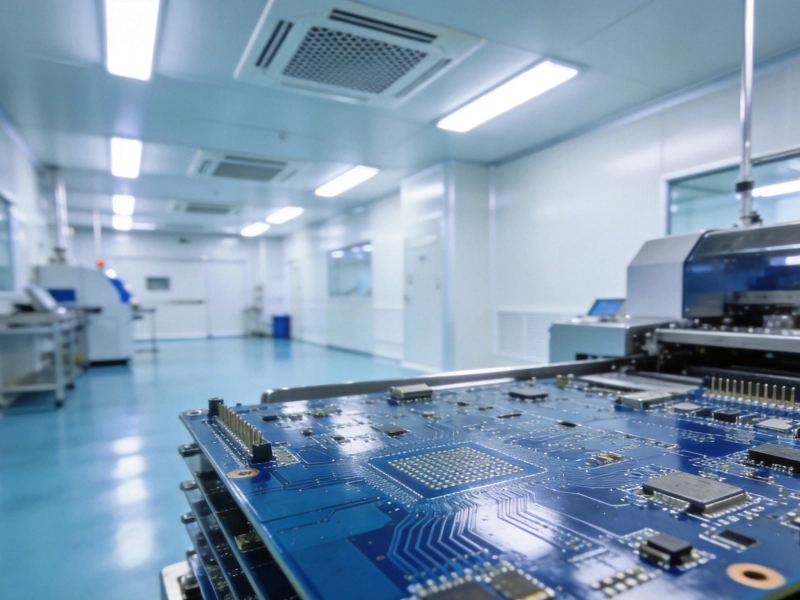
Selecting a High-Speed PCB Manufacturer for 5G TelecommunicationsAugust/13/2026
Common DFM Mistakes in Rigid-Flex PCB Layouts: A Comprehensive GuideJuly/29/2026

Finding the Right China Flexible PCB Manufacturer for Wearable TechJune/12/2026