Open Nav

The rollout of 5G networks worldwide has created unprecedented demand for high-speed printed circuit boards capable of handling millimeter-wave frequencies and massive data throughput. Selecting the right PCB manufacturer for 5G telecommunications projects isn't just about finding the lowest price—it's about partnering with a facility that understands the unique challenges of high-frequency design, advanced materials, and stringent performance requirements that define this cutting-edge technology sector.

Before diving into manufacturer selection criteria, it's essential to understand what makes 5G PCBs fundamentally different from conventional circuit boards. 5G telecommunications equipment operates across multiple frequency bands, including sub-6 GHz and millimeter-wave ranges extending up to 100 GHz. These elevated frequencies introduce Signal Integrity challenges that demand specialized manufacturing capabilities.
High-speed Pcb Manufacturing for 5G requires precise control over impedance, minimal insertion loss, and excellent crosstalk management. The dielectric materials must maintain stable electrical properties across temperature variations and humidity conditions. Additionally, 5G base stations and small cells often require complex multilayer structures with Blind Vias, Buried Vias, and Microvias to achieve the necessary routing density while maintaining signal quality.
The foundation of any high-performance 5G PCB lies in its substrate materials. Not all manufacturers have equal access to or expertise with advanced high-frequency laminates. When evaluating potential partners, investigate their experience with industry-leading materials such as Rogers RO3000 and RO4000 series, Taconic TLY and RF-35 substrates, and Panasonic Megtron 6 and 7.
These specialized materials offer lower dielectric constants (Dk) and dissipation factors (Df) compared to standard FR-4, enabling signals to propagate faster with less attenuation. A qualified 5G PCB manufacturer should demonstrate familiarity with material selection trade-offs, including cost considerations, thermal performance, and Manufacturing Process compatibility. They should also maintain established supply chain relationships with premium laminate suppliers to ensure material authenticity and consistent quality.
5G telecommunications PCBs demand manufacturing precision that exceeds conventional capabilities. The tight tolerances required for Controlled Impedance traces—often within ±5% or better—necessitate advanced fabrication equipment and rigorous process control. When assessing manufacturers, look for facilities equipped with laser direct imaging (LDI) systems for precise trace definition and Automated Optical Inspection (Aoi) capabilities for defect detection.
Via formation technology represents another critical differentiator. High-speed designs frequently employ Microvias with diameters below 0.15mm, requiring Laser Drilling capabilities rather than mechanical drilling. Sequential Lamination processes for building up multilayer structures demand cleanroom environments and sophisticated registration systems to maintain layer-to-layer alignment. Ask prospective manufacturers about their via plating processes, particularly their ability to achieve reliable copper plating in high-aspect-ratio holes essential for dense 5G designs.
Beyond physical manufacturing capabilities, the ideal 5G PCB partner should offer Design For Manufacturing (Dfm) support with specific expertise in high-speed Signal Integrity. Engineers at the manufacturing facility should understand concepts like differential pair routing, via stub effects, and return path discontinuities that can degrade 5G signal performance.
Pre-manufacturing simulation capabilities represent a significant value-add. Leading manufacturers employ electromagnetic simulation tools to verify impedance calculations, predict insertion loss, and identify potential crosstalk issues before fabrication begins. This collaborative approach between designer and manufacturer can prevent costly respins and accelerate Time-to-market for 5G telecommunications equipment.
The telecommunications industry demands exceptional reliability, as equipment failures in base stations or network infrastructure can affect thousands of users. When selecting a High-speed Pcb manufacturer, verify their Quality Management certifications, particularly Iso 9001 for general quality systems and Iso 14001 for environmental management. For aerospace and defense applications within the 5G ecosystem, AS9100 certification may also be relevant.
Ipc Standards compliance provides additional assurance of manufacturing quality. Look for manufacturers certified to IPC-A-600 for bare board inspection and IPC-6012 for qualification and performance specifications. Advanced capabilities might include IPC-6018 certification for high-frequency boards specifically. Don't hesitate to request documentation of their process control metrics, including first-pass yield rates and defect density measurements.
Comprehensive testing ensures that manufactured PCBs meet the demanding specifications of 5G applications. Basic electrical testing using flying probe or fixture-based methods verifies connectivity and isolation. However, high-speed designs benefit from additional verification steps that not all manufacturers provide.
Time-domain reflectometry (TDR) testing allows direct measurement of impedance along transmission lines, confirming that Controlled Impedance requirements are met. Network analyzer measurements can characterize insertion loss and return loss across the relevant frequency spectrum. Some advanced facilities also offer thermal cycling and accelerated life testing to validate long-term reliability under operating conditions. When evaluating manufacturers, inquire about their testing equipment and whether testing data can be provided with each shipment.
The global nature of 5G deployment means your PCB manufacturer must demonstrate Supply Chain Resilience and scalability. Lead times for high-frequency materials can extend significantly during market shortages, so manufacturers with strategic inventory management and multiple supplier relationships offer advantages. Ask about their typical lead times for prototype quantities versus production volumes, and how they manage demand fluctuations.
Scalability matters because 5G projects often transition rapidly from prototype validation to mass deployment. Your manufacturing partner should demonstrate capacity to grow with your needs without compromising quality. This includes not just fabrication capacity but also the ability to scale testing, Quality Assurance, and engineering support as volumes increase. Some manufacturers specialize in quick-turn prototypes while others focus on high-volume production—ideally, find a partner capable of supporting both phases effectively.
The location of your PCB manufacturer affects shipping times, communication efficiency, and total landed cost. Asian manufacturers, particularly those in China, dominate high-volume Pcb Production due to established supply chains and competitive pricing. However, regional manufacturers in North America or Europe may offer advantages for sensitive defense or government-related 5G projects with strict supply chain security requirements.
Consider time zone alignment for engineering collaboration and the manufacturer's English language proficiency if headquartered in non-English-speaking regions. Shipping logistics including customs handling, packaging standards, and freight options also impact project timelines. For critical 5G infrastructure projects, some manufacturers offer consignment inventory programs or just-in-time delivery to support your production scheduling.
5G telecommunications technology represents significant intellectual property investment, making IP protection a legitimate concern when engaging offshore manufacturers. Evaluate potential partners' security protocols, including facility access controls, data encryption practices, and employee Confidentiality Agreements. Reputable manufacturers serving the telecommunications industry understand these concerns and implement appropriate safeguards.
Non-disclosure agreements (NDAs) should be standard practice, but also inquire about the manufacturer's customer segmentation policies. Ideally, your 5G designs should be fabricated in facilities physically or logically separated from competitors' products. Some manufacturers offer dedicated production lines or even exclusive facility access for high-volume customers with sensitive technology.
While cost remains an important factor, selecting a 5G PCB manufacturer purely on price often proves shortsighted. High-frequency materials and advanced fabrication processes inherently cost more than standard Pcb Production. Focus instead on Total Cost Of Ownership, including yield rates, Time-to-market acceleration, and the reduced risk of field failures.
Request detailed quotations that break out material costs, tooling charges, and testing fees separately. Understand how costs scale with volume and whether the manufacturer offers price breaks at meaningful quantities. Be wary of quotes significantly below market rates—they may indicate material substitution, reduced testing, or insufficient process controls that could compromise 5G performance.
Selecting a High-speed Pcb manufacturer for 5G telecommunications requires balancing multiple technical, commercial, and strategic factors. Begin by defining your specific requirements—frequency ranges, layer counts, material specifications, and volume forecasts. Use these criteria to create a shortlist of qualified manufacturers, then conduct thorough technical reviews including facility audits where possible.
Start with prototype orders to evaluate actual performance before committing to production volumes. Monitor not just board quality but also communication responsiveness, delivery reliability, and the manufacturer's willingness to engage on technical challenges. The right partner grows with your 5G program, contributing expertise that enhances your competitive position in this rapidly evolving market.
The 5G revolution demands Pcb Manufacturing capabilities that push the boundaries of conventional technology. By carefully evaluating potential partners against the criteria outlined above, you can establish supply relationships that support both current project success and long-term strategic objectives in the telecommunications sector.
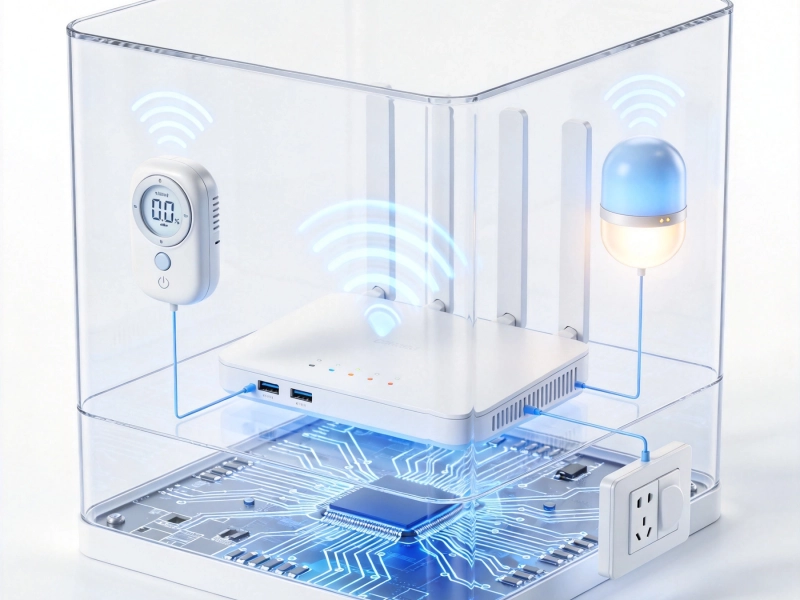
Smart Home Devices: Integrating High-Frequency PCBs for Wi-Fi/BluetoothSeptember/21/2026

High-Frequency PCBs in Radar and Satellite Communication SystemsAugust/03/2026
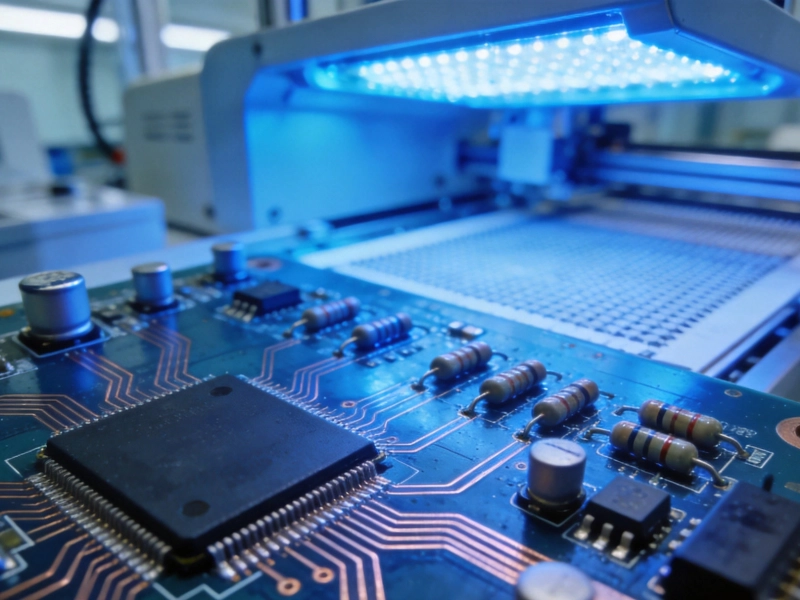
Why Medical Devices Require Specialized High-Reliability PCB ManufacturersSeptember/15/2026

Why Automotive Electronics Demand High-Reliability Multilayer PCBsJuly/13/2026
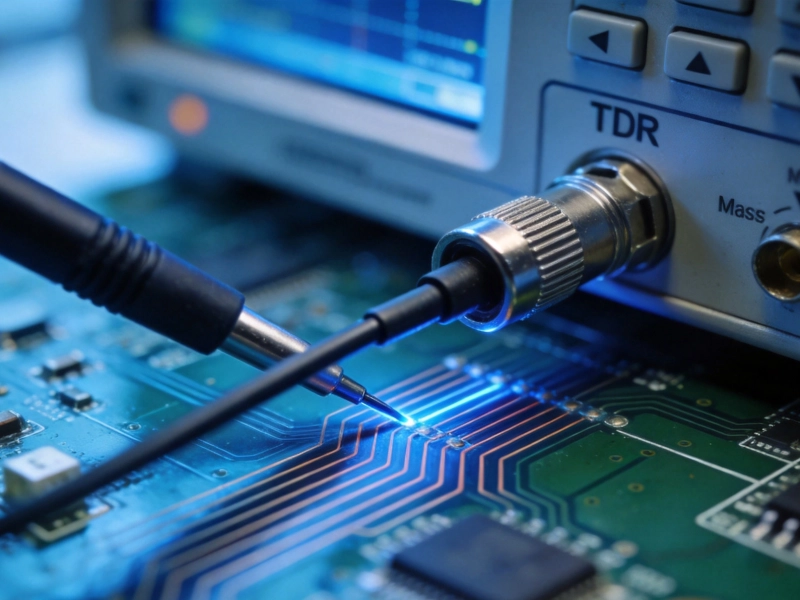
Controlled Impedance Testing: Ensuring Performance in High-Speed BoardsOctober/15/2026
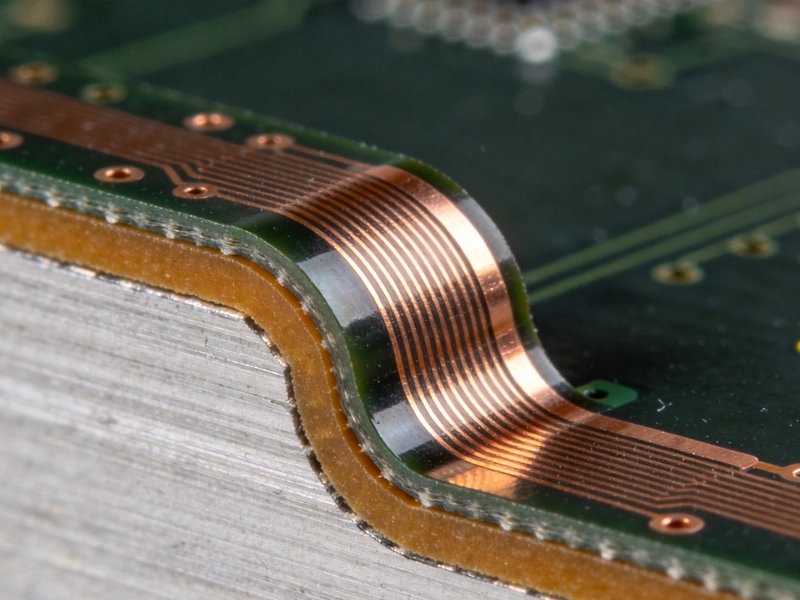
Common DFM Mistakes in Rigid-Flex PCB Layouts: A Comprehensive GuideJuly/29/2026
What to Look for in a Reliable SMT PCB Assembly Partner in ChinaAugust/11/2026
Bridging the Gap: Moving from PCB Prototype to Mass ProductionOctober/09/2026