
The Wearable Technology market is experiencing unprecedented growth, with devices becoming smaller, lighter, and more sophisticated with each generation. From fitness trackers that monitor your every step to smartwatches that replace traditional timepieces, and from medical patches that track vital signs to augmented reality glasses that blur the line between digital and physical worlds—these products share a common critical component: Flexible Printed Circuit Boards (FPCs).
China has emerged as the global powerhouse for Flexible Pcb Manufacturing, producing the vast majority of the world's FPCs used in consumer electronics and wearable devices. This dominance stems from decades of accumulated expertise, massive production capacity, sophisticated supply chains, and continuous technological advancement. However, not all China Flexible Pcb manufacturers are created equal. Finding the right partner for your wearable tech application requires careful evaluation of capabilities, quality systems, and collaborative potential.
This comprehensive guide walks you through everything you need to know about selecting a China Flexible Pcb manufacturer capable of meeting the exacting demands of Wearable Technology. Whether you're developing the next generation of smart health monitors, designing compact fitness accessories, or engineering advanced medical wearables, understanding how to identify and evaluate the right manufacturing partner will directly impact your product's success in the market.

Wearable devices present unique challenges that distinguish them from traditional electronics applications. The requirements for flexible PCBs in wearables extend far beyond basic electrical functionality, encompassing size constraints, durability demands, comfort considerations, and complex environmental exposures that most standard PCB applications never encounter.
Wearable devices must be lightweight and unobtrusive. A smartwatch that feels like wearing a brick on your wrist, or fitness headphones that weigh down your ears, fails the fundamental user experience test regardless of its feature set. This reality drives manufacturers to seek every opportunity for Miniaturization, and flexible PCBs are essential to achieving the compact form factors that define successful wearable products.
Modern wearable devices increasingly employ multi-layer flexible circuits with ultra-thin substrates, sometimes measuring less than 0.1mm in total thickness. Line widths and spacing have shrunk to 20 micrometers or less in cutting-edge applications, enabling high-density component integration within severely constrained spaces. These specifications demand manufacturing precision that pushes the boundaries of what's technically feasible.
Unlike static applications where flexible circuits merely navigate 3D packaging challenges, wearable FPCs must endure repeated mechanical stress. Smartwatch bands flex thousands of times as users remove and replace their devices. Health monitoring patches must conform to body movements throughout the day. Smart rings rotate and bend with every gesture.
This dynamic environment means wearable FPCs require exceptional bend life characteristics. Leading manufacturers subject their flexible circuits to rigorous Dynamic Flex testing—often exceeding 100,000 bend cycles—to ensure reliability under actual use conditions. The difference between circuits that survive the warranty period and those that fail prematurely often comes down to the manufacturer's understanding of these mechanical demands.
Wearable devices face environmental challenges that standard electronics rarely encounter. Sweat, humidity, temperature variations, and exposure to cosmetics and sunscreen all test the durability of internal components. Medical wearables face even more demanding requirements, including skin compatibility, sterilization resistance, and extended exposure to bodily fluids.
Material selection becomes critical in these applications. Polyimide (PI) substrates offer excellent thermal and chemical resistance, while liquid crystal polymer (LCP) materials provide superior high-frequency performance for devices with Wireless Connectivity requirements. Some manufacturers now offer halogen-free and environmentally sustainable options that align with increasingly strict regulatory requirements worldwide.
When vetting potential manufacturing partners for wearable technology applications, certain technical capabilities serve as essential prerequisites. Without these foundational competencies in place, even the most cooperative manufacturer will struggle to deliver products that meet your specifications.
Modern wearable devices increasingly require multi-layer flexible circuits that combine rigid sections for component mounting with flexible regions for interconnection and form-fitting. These rigid-flex constructions provide the best of both worlds: the mechanical stability needed for populated areas and the bendability required for dynamic regions.
Evaluate whether your prospective manufacturer supports the layer counts your design requires. Entry-level FPC manufacturers may only produce single-sided or double-sided circuits, while advanced facilities offer capabilities ranging from 4-layer to 20-layer rigid-flex constructions. The most sophisticated producers can even combine multiple FPC segments within a single laminated structure, enabling complex 3D routing that maximizes space utilization.
As wearable devices shrink, the circuitry within them must become correspondingly more sophisticated. Line widths of 50 micrometers or less, with spacing to match, are increasingly common in advanced applications. Achieving these specifications consistently requires advanced manufacturing equipment and refined process control.
Laser direct imaging (LDI) has largely replaced traditional photolithographic approaches for fine-line work, enabling the precise pattern transfer that modern designs demand. Similarly, Laser Drilling for micro-vias allows connections between layers without the larger mechanical drill holes of previous generations. Manufacturers investing in these advanced capabilities demonstrate their commitment to serving demanding applications like wearable technology.
The choice of surface finish affects everything from solderability to contact resistance to biocompatibility. Common options include:
For wearable applications that may contact skin, ensure your manufacturer can provide documentation regarding the biocompatibility of their surface finish options and supporting materials.
Many wearable device companies benefit from partnering with manufacturers who offer turnkey services, combining FPC production with component procurement and assembly. This integration reduces handoff delays, simplifies logistics, and creates single-point accountability for quality.
Consider whether your prospective partner offers:
Quality certification serves as a shorthand for manufacturing competence, but not all certifications carry equal weight for wearable technology applications. Understanding which standards are most relevant helps you focus your evaluation on the certifications that actually indicate manufacturing excellence for your specific needs.
Iso 9001 certification represents the baseline expectation for any quality-focused manufacturer. This standard establishes requirements for Quality Management systems, including documented processes, management review, continuous improvement initiatives, and customer-focused approaches. While Iso 9001 doesn't guarantee that a manufacturer excels at producing flexible circuits for wearables, its absence suggests that quality isn't a primary organizational priority.
Depending on your target market, additional certifications become essential:
If your wearable device falls into the medical or automotive categories, verify that your manufacturing partner holds the relevant certifications before proceeding further. Attempting to work with an uncertified manufacturer can result in costly redesigns and regulatory delays.
The Ipc Standards define acceptability criteria for electronic assemblies and components. For Flexible Circuit manufacturing, the most relevant standards include:
Ask potential manufacturers about their compliance levels and whether they maintain ongoing verification through third-party testing or internal process validation.
Understanding the broader context of China's position in the global flexible PCB market helps inform your sourcing strategy. The country has invested heavily in manufacturing infrastructure, creating facilities that rank among the world's most advanced while maintaining cost structures that enable competitive pricing.
China's flexible PCB industry has evolved toward increasing specialization. Some manufacturers focus on high-volume commodity products, while others concentrate on sophisticated multi-layer constructions for demanding applications. This specialization means that successful supplier selection requires matching your specific requirements with manufacturers whose capabilities align.
The wearable technology sector has attracted particular investment attention, with several major Chinese Manufacturers establishing dedicated production lines optimized for the unique requirements of smart devices. These specialized facilities often combine the technical capabilities needed for advanced applications with the scalability required to support volume production.
Working with Chinese flexible PCB manufacturers provides access to vertically integrated supply chains that are difficult to replicate elsewhere. From raw material suppliers to specialized equipment manufacturers to component distributors, the ecosystem supporting Pcb Production in China operates with remarkable efficiency and responsiveness.
This supply chain depth translates into practical benefits for wearable device companies: faster prototyping turnaround, more responsive production adjustments, and access to materials and processes that might be unavailable through manufacturers in other regions.
Translating capability lists and certifications into actual manufacturing performance requires systematic due diligence. The following evaluation framework helps ensure that your selected partner can consistently deliver the quality and responsiveness your wearable device program demands.
Request samples that challenge the limits of the manufacturer's stated capabilities. If a manufacturer claims 30-micrometer line and space capabilities, ask for samples demonstrating this specification rather than accepting marketing claims at face value. Independent testing laboratories can verify these claims objectively.
Similarly, request documentation of their flex testing procedures and results. A manufacturer who can't or won't provide flex life data for their circuits should raise concerns about their actual experience with dynamic applications.
Whenever possible, visit prospective manufacturing facilities in person. First-hand observation reveals aspects of operations that marketing materials cannot convey: the general organization of production areas, the condition of equipment, the training and demeanor of personnel, and the presence or absence of Quality Management practices throughout the facility.
If on-site visits aren't feasible, request detailed photographs and documentation of production environments, including clean room specifications, equipment lists, and process flow descriptions. Professional manufacturers accustomed to serving international customers should be comfortable providing this information.
Manufacturing partnerships often span years, and the financial health of your supplier directly affects supply continuity. Evaluate the manufacturer's business fundamentals: years in operation, revenue trends, ownership structure, and any visible signs of financial stress.
This consideration carries particular weight in the current environment, where economic pressures have affected companies across the Electronics Manufacturing sector. A manufacturer who appears financially vulnerable may struggle to maintain equipment investments, personnel stability, or even ongoing operations—any of which could disrupt your product roadmap.
Technical capabilities matter, but the quality of the working relationship often determines whether partnerships thrive or fail. Effective communication becomes especially critical when developing novel wearable applications where specifications may evolve based on testing results and user feedback.
The best flexible PCB manufacturers function as engineering partners rather than mere vendors. They contribute insights about manufacturability, suggest design optimizations based on production experience, and identify potential issues before they become costly problems.
During your evaluation, assess how engineering support operates: Is there a dedicated engineering team available to answer technical questions? How quickly do they respond to inquiries? Do they proactively suggest improvements, or do they simply accept whatever designs you submit?
Design For Manufacturability (Dfm) reviews represent one of the most valuable services a manufacturer can provide, particularly for first-time wearable product developers. A manufacturer who offers complimentary Dfm analysis and communicates potential issues before production begins demonstrates the collaborative approach that leads to successful outcomes.
Wearable device companies need transparency about production status, quality metrics, and any issues that arise during manufacturing. Evaluate how manufacturers communicate information:
Manufacturers who invest in MES (Manufacturing Execution Systems) and provide real-time visibility into production status demonstrate commitment to the transparency that modern Electronics Development requires.
Effective collaboration requires overcoming the practical barriers of geographic distance, time zones, and language differences. Evaluate whether potential partners have established processes for international communication:
While cost should never be the sole selection criterion, understanding pricing structures and opportunities for optimization helps ensure that your partnership delivers sustainable value. Flexible PCB pricing involves multiple components that respond differently to various optimization strategies.
Several factors influence flexible PCB pricing:
Understanding these drivers enables informed discussions about where to optimize costs without compromising product quality. A transparent manufacturer should be willing to explain pricing factors and suggest alternatives that might reduce costs while meeting your actual requirements.
Focusing exclusively on unit pricing overlooks the total cost of partnership, which includes:
Sometimes paying slightly higher unit costs to a more reliable manufacturer delivers better overall economics than minimizing piece price while accepting higher hidden costs throughout the relationship.
Learning from others' experiences helps sidestep pitfalls that have caught unwary buyers. Several recurring mistakes appear frequently in flexible PCB sourcing, and awareness of these patterns helps you avoid them.
Marketing claims about capabilities often bear little relationship to actual manufacturing performance. A manufacturer who lists 20-micrometer capabilities may achieve this specification only under ideal conditions on their best products, while typical production runs feature much wider tolerances. Independent verification through samples and testing provides the only reliable basis for capability assessment.
Manufacturers with excellent products sometimes struggle with international communication, leading to misunderstandings that waste time and money. The cheapest option becomes expensive when basic coordination requires extensive effort and produces frequent errors.
Short-term transactional relationships rarely serve wearable technology development well. The iterative nature of product development benefits from partners who understand your products deeply, anticipate your needs, and invest in serving you well over time. Building these relationships requires initial investment but pays dividends throughout your product lifecycle.
A manufacturer well-suited for prototyping may lack the capacity or systems to support high-volume production. Conversely, a high-volume producer may not offer the flexibility and engineering support that prototyping requires. Consider your full product roadmap when evaluating suppliers, and verify that potential partners can support your needs across all phases of your business.
Armed with the evaluation framework above, you can now conduct systematic assessments of potential partners. Use these questions to guide your conversations:
The responses to these questions, combined with your direct observations of facilities and samples, provide the foundation for confident supplier selection.
The wearable technology market rewards companies that execute flawlessly on product design, manufacturing quality, and market timing. Behind every successful wearable product stands a network of capable suppliers, and flexible PCB manufacturers play a starring role in that network.
Finding the right China flexible PCB manufacturer for your wearable tech application requires investing time in systematic evaluation, but that investment pays returns throughout your product's life. A capable manufacturing partner contributes engineering expertise, manufacturing excellence, and collaborative spirit that directly impacts your ability to deliver products that users love.
Start your search early, evaluate broadly, verify claims rigorously, and build relationships that extend beyond transactional exchanges. The wearable technology companies that consistently succeed in the market share a common trait: they treat their manufacturing partners as strategic assets worthy of careful selection and ongoing investment.
With the framework and considerations outlined in this guide, you're now equipped to navigate the selection process with confidence. Take the time to apply these principles systematically, and you'll position your wearable technology program for the manufacturing success it deserves.
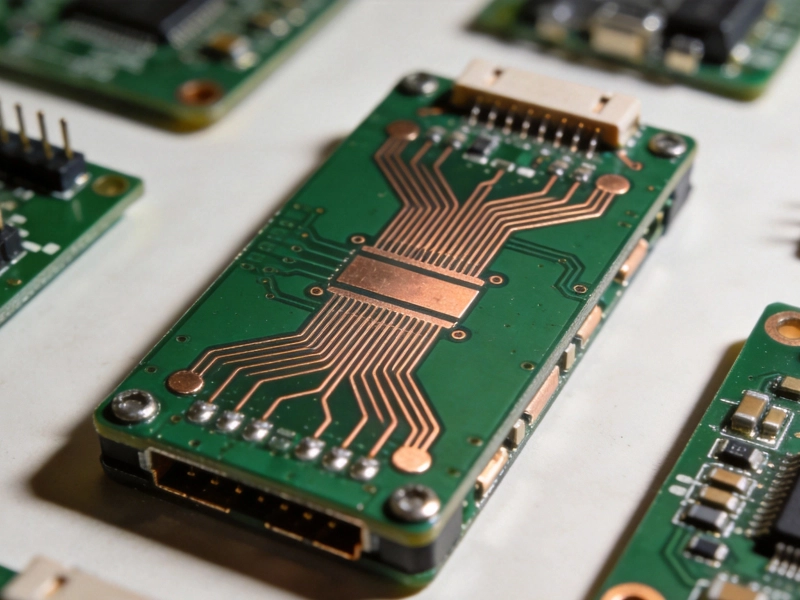
ADAS Systems and the Need for High-Speed, High-Frequency PCBsSeptember/20/2026
Why is My High-Speed PCB Experiencing Signal Reflection?September/07/2026

Metal Core PCBs in EV Charging Stations: Managing High HeatJuly/30/2026

Top 10 DFM Tips to Avoid Errors in Your Next PCB OrderJune/18/2026
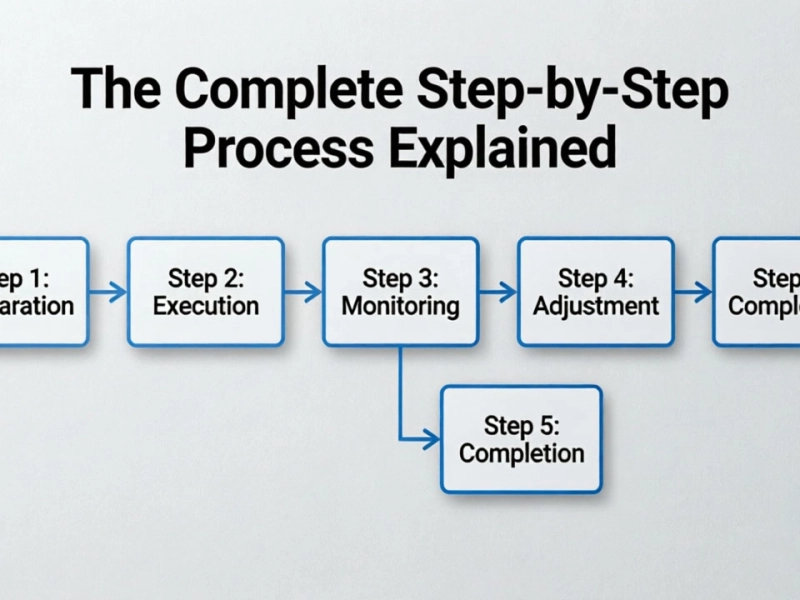
The Complete Step-by-Step Process ExplainedJune/05/2026
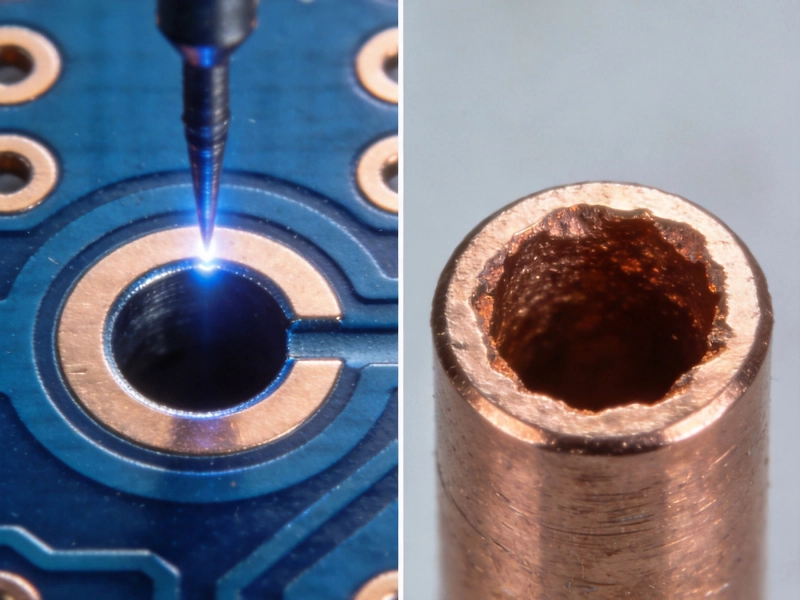
Laser Drilling vs. Mechanical Drilling: Precision in HDI ManufacturingJuly/07/2026
PCB Prototype Pricing Models: Panelization and Setup Fees ExplainedAugust/12/2026
How to Specify Bend Radius for Flexible PCB OrderAugust/06/2026