Open Nav

When you design complex multilayer PCBs without proper Dfm (Design For Manufacturing) analysis, you might be throwing away thousands of dollars unnecessarily. Dfm analysis serves as a critical bridge between design intent and manufacturability, helping identify potential manufacturing issues before production begins. This proactive approach not only prevents costly rework but also optimizes material usage and reduces overall project timelines.
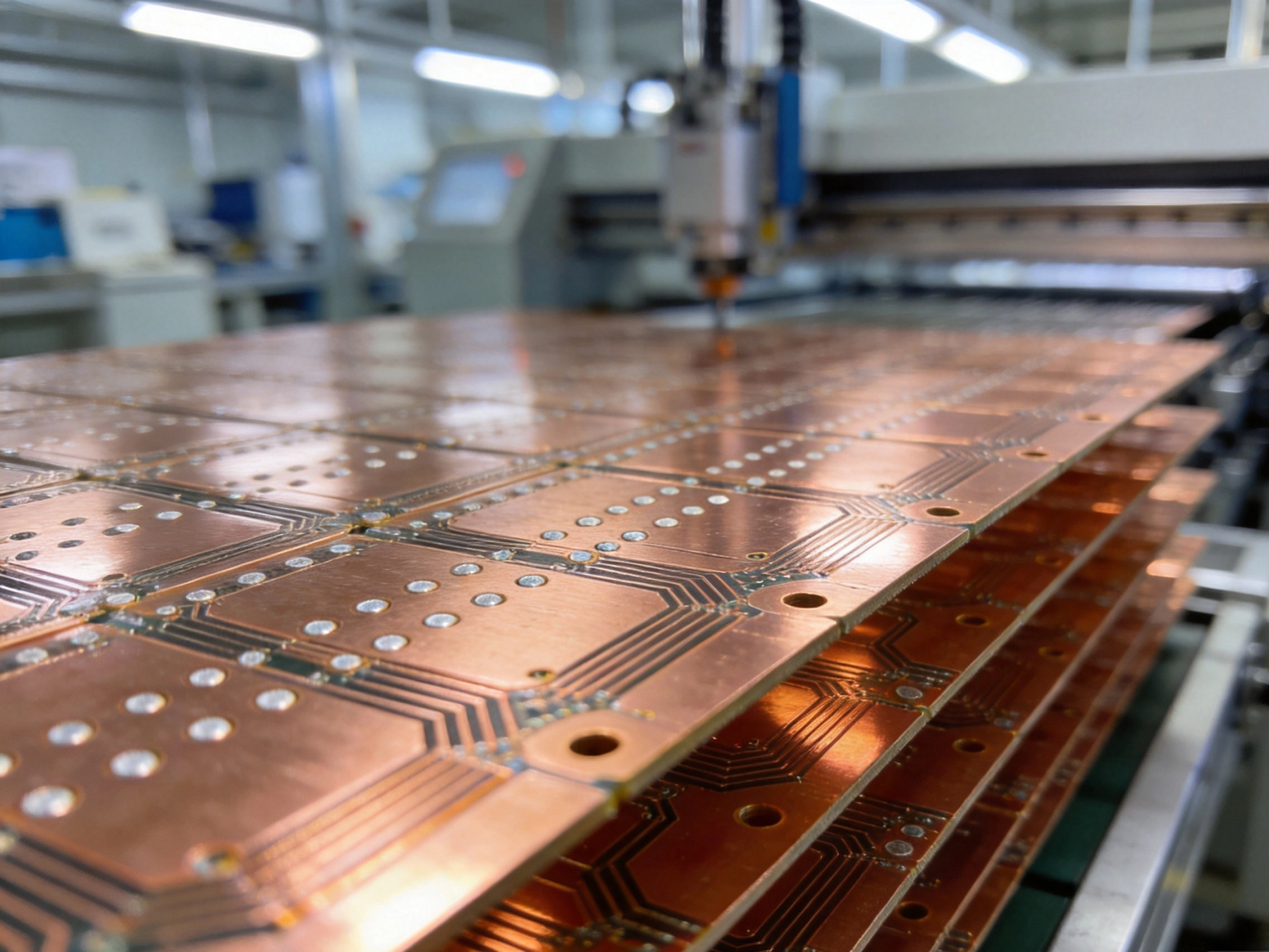
DFM analysis involves a systematic evaluation of your Pcb Design against established manufacturing standards and capabilities. For multilayer boards, this process becomes even more crucial due to the increased complexity of layer stacking, via structures, and impedance requirements. The analysis typically examines trace widths, spacing, drill sizes, layer counts, and material compatibility with the fabrication process.
Many engineers underestimate the impact that seemingly minor design decisions can have on manufacturing costs. A trace width that's too narrow or a via structure that doesn't align with standard drill capabilities can significantly increase production time and waste rates. DFM analysis catches these issues early, allowing designers to make informed adjustments without compromising functionality.
One of the most immediate financial benefits of DFM analysis is material cost optimization. Multilayer PCBs require significant quantities of copper-clad laminate, and any inefficiencies in layer utilization directly impact your bottom line. DFM tools can analyze your design to suggest more efficient Panelization strategies, reduce material waste, and identify opportunities for standardizing layer stackups across multiple projects.
For example, DFM analysis might reveal that your 8-Layer Design could be redesigned as a 6-layer board without sacrificing performance, resulting in immediate material savings of 25%. Additionally, the analysis can identify situations where alternative dielectric materials might provide equivalent electrical performance at lower cost, particularly for high-frequency applications where material selection is critical.
The financial impact of Manufacturing Defects cannot be overstated. When a multilayer board fails during production, you lose not only the raw materials but also valuable production time and potentially valuable schedule margins. DFM analysis helps prevent these failures by identifying common failure modes before they occur.
Typical issues that DFM analysis catches include acid traps, insufficient annular rings, incompatible drill sizes, and thermal relief patterns that could cause soldering problems. By addressing these issues during the design phase, you dramatically reduce the likelihood of first-article failures and the associated costs of debugging and redesigning your board after the fact.
Manufacturing efficiency directly impacts cost, and DFM analysis helps optimize your design for faster production cycles. Designs that comply with standard manufacturing processes can be produced more quickly and with less operator intervention, reducing labor costs and improving turnaround times.
This is particularly important for multilayer boards, which typically require longer production cycles due to the additional lamination steps and more complex drilling operations. By ensuring your design uses standard drill sizes, consistent layer counts, and compatible materials, you enable manufacturers to optimize their production schedules and potentially offer better pricing for your orders.
While the immediate cost savings of DFM analysis are significant, the long-term benefits of improved reliability can be even more substantial. Multilayer PCBs that are designed with manufacturing in mind tend to have fewer field failures, reducing warranty claims and improving customer satisfaction.
DFM analysis helps identify potential reliability issues such as inadequate Thermal Management, insufficient clearance for Conformal Coating, or vulnerable via structures that could fail under thermal cycling. Addressing these issues during design prevents costly field returns and protects your company's reputation for quality products.
To maximize the cost-saving benefits of DFM analysis, consider implementing these best practices in your design workflow:
Start DFM analysis early in the design process, ideally during the schematic capture phase, to catch issues when they're easiest to fix. Use automated DFM tools to perform comprehensive checks, but don't rely solely on automation—experienced PCB engineers should review the results and apply their judgment to the findings.
Maintain open communication with your PCB manufacturer throughout the design process. They can provide valuable insights into their specific capabilities and limitations, helping you make informed decisions about design trade-offs. Many manufacturers offer free DFM reviews as part of their quoting process—take advantage of this expertise.
Document your DFM findings and the rationale behind any design modifications. This documentation becomes valuable knowledge that can be applied to future projects, creating a continuous improvement cycle that further reduces costs over time.
DFM analysis is not an optional luxury—it's an essential investment that pays dividends throughout the product lifecycle. By identifying and addressing manufacturing issues early, you reduce material waste, prevent costly rework, streamline production processes, and improve overall reliability. For multilayer PCBs, where complexity and cost increase exponentially with each added layer, DFM analysis becomes even more critical to maintaining profitability and competitiveness in the marketplace.
The financial impact of skipping DFM analysis can be devastating, but the investment in thorough analysis is relatively small compared to the potential savings. Make DFM analysis a standard part of your design process, and you'll see immediate improvements in your bottom line while building a foundation for long-term success in Pcb Manufacturing.
Metal Core PCB (MCPCB) Basics: Aluminum vs. Copper SubstratesSeptember/29/2026

Detailed Explanation of the Types, Materials, and Applications of Flexible Circuit Boards 101June/04/2026
How to Prevent Common Failures in Flexible Circuit DesignSeptember/09/2026
What is Rigid-Flex PCB? Complete Guide from China ManufacturerMay/18/2026
Sustainability in PCB Fabrication: Eco-Friendly Materials and ProcessesJuly/01/2026
The Hidden Costs of Cheap PCBs: Why Quality MattersJuly/23/2026
Blind and Buried Vias: Enhancing Density in HDI PCBsSeptember/30/2026

Wearable Health Monitors: The Importance of Biocompatible Flex PCBsSeptember/02/2026