Open Nav

Industrial IoT (Internet of Things) devices operate in environments that would quickly destroy standard consumer electronics. From factory floors exposed to dust and chemicals to outdoor installations subjected to extreme temperatures, these devices must maintain reliable performance year after year. The backbone of every industrial IoT system—the Printed Circuit Board (PCB)—must be engineered with exceptional durability requirements to withstand these punishing conditions. Understanding and implementing these durability requirements is not just about survival; it's about ensuring continuous operation, minimizing maintenance costs, and protecting valuable investments in connected infrastructure.
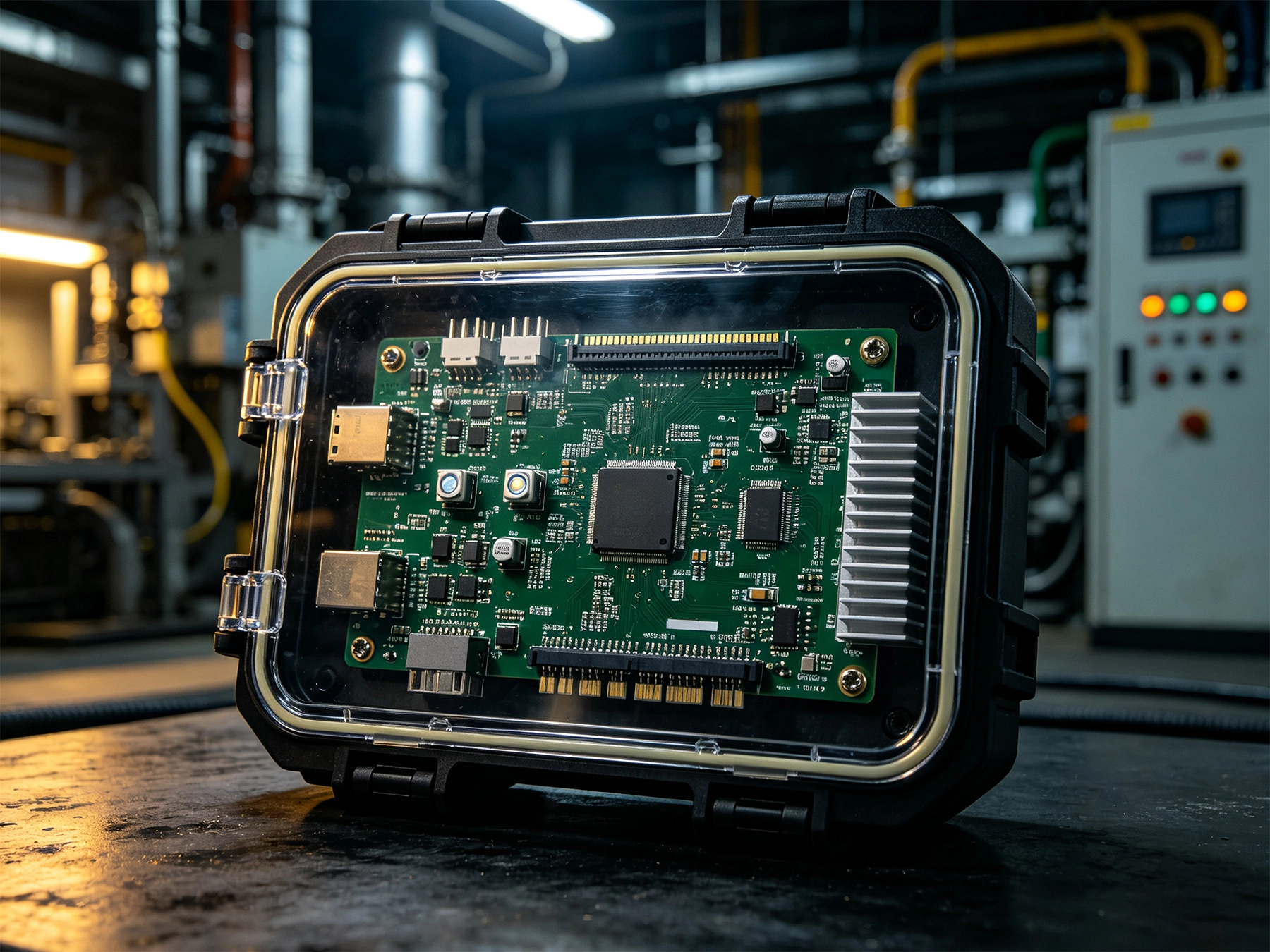
Before diving into specific durability solutions, it's essential to understand the enemy. Industrial IoT PCBs face a battery of environmental stressors that work simultaneously to degrade performance and cause failure. Temperature extremes—from sub-zero outdoor conditions in winter to scorching heat in manufacturing facilities—create thermal cycling that can solder joints and cause board warping. Moisture in the form of humidity, condensation, or direct water exposure leads to corrosion and short circuits. Dust and particulate contamination can bridge electrical paths and interfere with component operation. Chemical exposure from cleaning agents, oils, and industrial processes attacks Pcb Materials and solder connections. Vibration and mechanical shock from motors, pumps, and equipment operation can crack solder joints and loosen components. Electromagnetic interference from nearby machinery and power lines disrupts sensitive electronic signals. Each of these factors alone can cause failure; together, they create a perfect storm that demands comprehensive durability engineering.
The choice of base materials forms the foundation of Pcb Durability. Standard FR-4 materials, while cost-effective for consumer applications, may not survive industrial environments. High-temperature FR-4 (Tg 170°C+) provides better thermal stability and resistance to delamination during temperature cycling. For extreme conditions, materials like ceramic-filled PTFE or specialized high-frequency laminates offer superior thermal and mechanical properties. The copper weight selection also impacts durability—heavier copper plating (3oz or higher) provides better current-carrying capacity and resistance to mechanical stress. Conformal coating materials require careful selection as well. Acrylic coatings offer easy application and good moisture resistance but limited chemical protection. Silicone coatings excel in high-temperature applications and provide flexibility for thermal expansion. Urethane coatings deliver superior chemical resistance for harsh industrial environments. Epoxy coatings offer the highest level of protection but can be difficult to remove for rework. Material selection must balance performance requirements with cost considerations, application environments, and maintenance needs.
Durability must be engineered into the Pcb Design from the outset. Thermal Management features including thermal relief pads, heat spreaders, and proper component spacing help dissipate heat and prevent hotspots that accelerate material degradation. Strain relief around connectors and mounting points distributes mechanical stress away from sensitive solder joints. Wider traces and larger annular rings increase mechanical strength and current-carrying capacity. Additional through-hole vias (instead of smaller Microvias in critical areas) provide stronger connections between layers. Proper board thickness selection—typically 1.6mm or 2.0mm for industrial applications—prevents flexing and warping. Edge plating provides protection against moisture ingress along board edges. Strategic placement of mounting holes with proper clearance and reinforcement prevents board cracking during installation and operation. Design for testability (DFT) considerations must include environmental testing capabilities such as test points accessible through conformal coating for in-circuit testing after coating application. These design enhancements work synergistically with material selection to create PCBs capable of surviving demanding industrial environments.
Conformal coating represents one of the most critical durability measures for industrial IoT PCBs. This protective layer creates a barrier against moisture, dust, chemicals, and other environmental contaminants. The coating process begins with thorough cleaning to remove flux residues and contamination that could interfere with adhesion. Masking is applied to connectors, switches, and other components that must remain uncoated. The coating material is then applied through spray, dip, or selective coating methods, with thickness carefully controlled to ensure uniform protection without bridging between closely spaced components. Curing processes—whether air drying, thermal, or UV curing—must be properly executed to achieve full material properties. Inspection verifies complete coverage, proper thickness, and absence of defects like bubbles or thin spots. Different application methods suit different production volumes and requirements. Spray coating offers good control and is suitable for both prototype and production. Dip coating provides complete coverage and high throughput for production volumes. Selective coating targets specific areas with precision, minimizing waste and masking complexity. The choice of coating material and application method depends on the specific environmental challenges, production volume, and maintenance requirements of the application.
Meeting durability requirements requires rigorous testing to validate performance under expected operating conditions. Temperature cycling tests expose PCBs to repeated transitions between extreme temperatures to identify weaknesses in materials, solder joints, and component connections. Thermal shock testing simulates rapid temperature changes that can cause differential expansion and stress. Humidity testing evaluates moisture resistance and susceptibility to corrosion. Vibration testing replicates mechanical stress from equipment operation and transportation. Salt spray testing assesses corrosion resistance for applications in marine or corrosive environments. Accelerated life testing combines multiple stressors to predict long-term reliability and mean time between failures (MTBF). Industry standards provide guidelines for testing protocols and acceptance criteria. IEC 60068 covers environmental testing methods for electronic equipment. MIL-STD-202 provides detailed test methods for electronic component parts. IPC-6012 establishes performance specifications for rigid PCBs. IPC-6013 addresses flexible and Rigid-flex Pcb requirements. Adherence to these standards ensures consistency, comparability, and confidence in durability claims. Testing should be conducted throughout the design lifecycle—from initial material qualification through prototype validation to production lot acceptance—to catch issues early and ensure consistent quality.
Even the best design cannot compensate for poor manufacturing processes. Process controls ensure that durability features are implemented consistently across production runs. Solder paste printing requires precise stencil design, regular cleaning, and inspection to ensure proper paste volume and placement. Reflow profiles must be optimized for component mix and PCB thermal characteristics to achieve proper solder joint formation without overheating sensitive components. Wave soldering parameters need careful control for boards with through-hole components. Conformal coating application requires environmental control (temperature, humidity) to ensure proper curing and adhesion. Inspection throughout the process—from Automated Optical Inspection (Aoi) after soldering to visual inspection after coating—catches defects before they become field failures. Statistical process control (SPC) monitors key parameters and identifies trends before they result in out-of-spec products. Traceability systems track materials, process parameters, and test results to enable root cause analysis when issues occur. Continuous improvement processes analyze field returns, customer feedback, and internal yield data to identify opportunities for process enhancement. Manufacturing Process controls work in tandem with design and material selection to deliver consistent, reliable PCBs that meet durability requirements.
Implementing effective durability measures requires attention to detail and adherence to best practices across the entire product lifecycle. During design phase, conduct thorough environmental assessment to identify all potential stressors. Select materials with appropriate temperature ratings, chemical resistance, and mechanical properties. Design for serviceability considering that industrial IoT devices will require maintenance and potentially component replacement. Include redundant critical functions where possible to provide backup if primary systems fail. During procurement, establish quality specifications with suppliers and conduct incoming material inspection. Work with PCB fabricators experienced in industrial applications who understand the unique requirements. Choose assembly providers with process control capabilities and testing infrastructure. During validation, subject prototypes to accelerated life testing that exceeds expected operating conditions. Conduct field trials in representative environments to identify real-world challenges. Test maintenance and service procedures to ensure they don't compromise durability. During production, implement comprehensive Quality Control including first article inspection, in-process testing, and lot acceptance testing. Maintain detailed traceability for all materials and processes. During field deployment, establish monitoring systems to detect early signs of degradation. Train maintenance personnel on proper procedures that preserve protective coatings and avoid damage. Analyze field performance data to continuously improve designs and processes. These best practices create a comprehensive approach to durability that addresses all aspects of the product lifecycle.
Implementing durability requirements inevitably adds cost to PCB Fabrication and assembly. However, these costs must be evaluated in the context of Total Cost Of Ownership and return on investment. Enhanced materials increase material costs but reduce failure rates and maintenance requirements. Conformal coating adds process steps and inspection requirements but dramatically extends product life. Additional testing increases upfront validation costs but prevents expensive field failures and warranty claims. The calculation becomes clear when considering the costs of failure. Equipment downtime in industrial environments can cost thousands of dollars per hour. Maintenance technician visits in remote locations require travel time and expenses. Product failures damage brand reputation and customer trust. Warranty claims erode profit margins. Safety failures can have catastrophic consequences including liability costs and regulatory penalties. When these potential costs are weighed against the incremental cost of durability enhancements, the investment case becomes compelling. Further, as volumes increase and processes mature, the incremental cost per unit decreases while reliability benefits remain. Companies that invest in durability often find they can offer longer warranties, reduce total support costs, and differentiate their products in competitive markets. The ROI analysis should consider not just immediate cost differences but the total financial impact over the entire product lifecycle.
The requirements for durability continue to evolve as Industrial IoT applications expand into new environments and applications. Emerging technologies offer opportunities to enhance durability while potentially reducing costs. Advanced materials including graphene-enhanced composites and nanocoatings provide superior protection with thinner application layers. Smart coatings that change color or electrical properties when damaged enable early detection of protective coating degradation before moisture ingress occurs. Self-healing materials can automatically repair minor damage to protective layers, extending service life. 3D printing of PCBs allows complex geometries that optimize Thermal Management and mechanical strength in ways traditional fabrication cannot match. Integration of sensors directly into PCB substrates enables real-time monitoring of environmental conditions and early warning of potential degradation. AI-powered design tools optimize layouts for durability considering multiple stress factors simultaneously. Predictive maintenance systems use machine learning to analyze performance data and predict when maintenance is needed before failure occurs. These advances promise to enhance durability capabilities while potentially reducing costs through improved efficiency and reduced material usage. Companies that stay ahead of these trends will be positioned to deliver increasingly reliable Industrial IoT products for the most demanding applications.
Durability requirements for Industrial IoT PCBs represent a critical consideration that spans material selection, design engineering, manufacturing processes, and quality validation. The extreme environments in which these devices operate demand comprehensive protection against temperature cycling, moisture, contamination, vibration, and chemical exposure. Success requires attention to detail at every stage—from initial material qualification through final product validation. While durability enhancements add cost, they deliver substantial value through reduced failures, lower maintenance costs, extended product life, and enhanced brand reputation. As Industrial IoT continues to expand into new applications and environments, durability requirements will only increase in importance. Companies that master the science and art of creating durable PCBs will be positioned to win in this competitive market by delivering products that perform reliably where others fail. The investment in durability is not a cost—it's insurance for success in the harsh realities of industrial environments.
What is conformal coating and why is it important for Industrial IoT PCBs?
Conformal coating is a protective polymer film applied to PCBs that creates a barrier against moisture, dust, chemicals, and other environmental contaminants. It's essential for Industrial IoT PCBs because these devices often operate in harsh environments where unprotected circuitry would quickly fail from corrosion, short circuits, or contamination. The coating protects solder joints, traces, and components while still allowing necessary electrical connections and component access.
How do I select the right PCB material for industrial applications?
Material selection should be based on the specific environmental challenges your application will face. Consider temperature range (both operating and storage), humidity levels, chemical exposure, and mechanical stress. High-temperature FR-4 (Tg 170°C+) is suitable for most industrial applications, while specialized materials like ceramic-filled PTFE may be needed for extreme conditions. Copper weight should be selected based on current requirements and mechanical strength needs. Consult with PCB fabricators experienced in industrial applications for material recommendations tailored to your specific requirements.
What testing standards apply to Industrial IoT Pcb Durability?
Key standards include IEC 60068 for environmental testing methods, MIL-STD-202 for electronic component testing, IPC-6012 for Rigid Pcb performance specifications, and IPC-6013 for flexible and rigid-flex PCBs. Additionally, industry-specific standards may apply depending on the application (e.g., automotive Ipc-a-610 Class 3, aerospace IPC-7711/7721). Adherence to these standards ensures that your PCB has been properly validated for durability and provides confidence in its performance under expected operating conditions.
How can I balance durability requirements with cost constraints?
Start with a thorough environmental assessment to identify the most critical stressors your PCB will face. Focus durability investments on addressing these primary challenges rather than trying to protect against every possible scenario. Consider Total Cost Of Ownership rather than just upfront costs—durable PCBs reduce maintenance costs, extend product life, and prevent expensive downtime. Work with suppliers to find cost-effective solutions that meet your specific requirements rather than over-specifying materials and processes. As volumes increase, the incremental cost per unit decreases while durability benefits remain constant.
What are common failure modes in industrial environments and how can they be prevented?
Common failure modes include solder joint cracking from thermal cycling, corrosion from moisture and chemicals, component loosening from vibration, and short circuits from contamination. Prevention strategies include proper thermal design and material selection for temperature cycling, conformal coating and material selection for corrosion resistance, strain relief and mechanical design for vibration protection, and sealing and coating for contamination prevention. Accelerated life testing that replicates expected operating conditions is essential to identify potential failure modes before field deployment.
Behind the Scenes: A Tour of Our State-of-the-Art PCB Factory in ChinaMay/19/2026
Understanding HDI PCB Stack-ups: Best Practices for High-Density DesignsJuly/18/2026
Microvias vs. Through-Holes: Choosing the Right Tech for Your Multilayer BoardAugust/06/2026
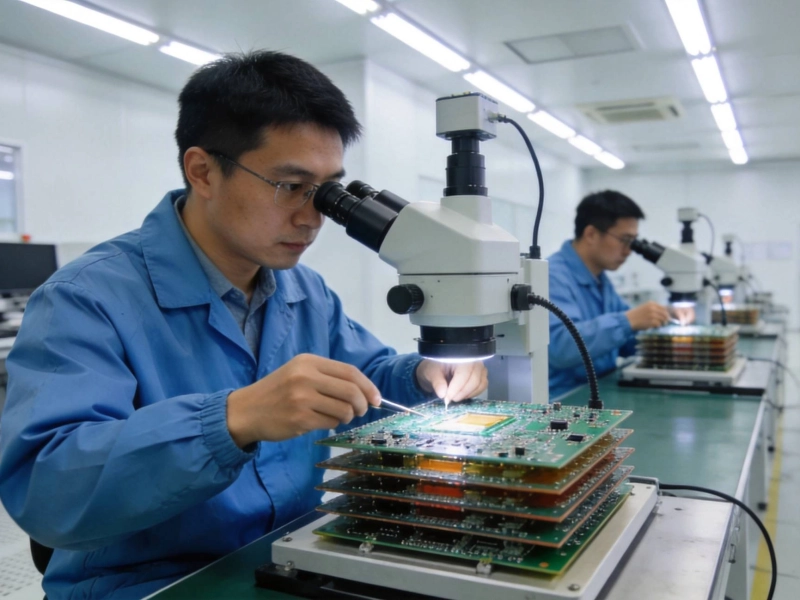
How We Ensure Quality Control in Multilayer PCB LaminationAugust/08/2026
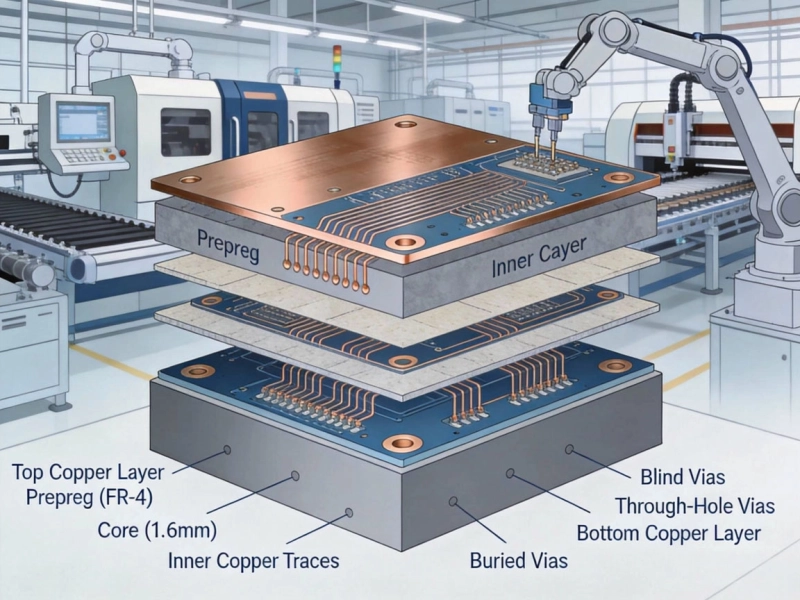
What Are Multilayer PCBs? A Complete Guide from ChinaMay/18/2026
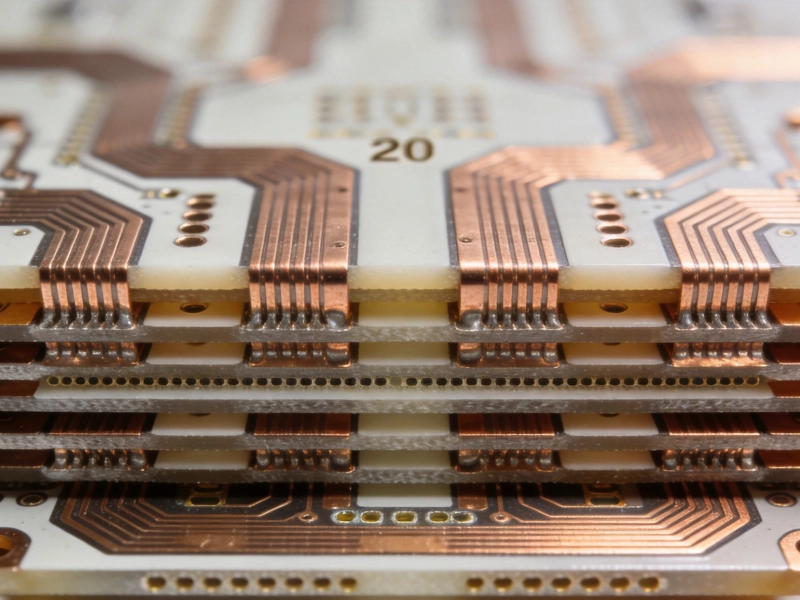
How to Design High-Layer Count PCBs (20+ Layers) for Complex ElectronicsSeptember/08/2026
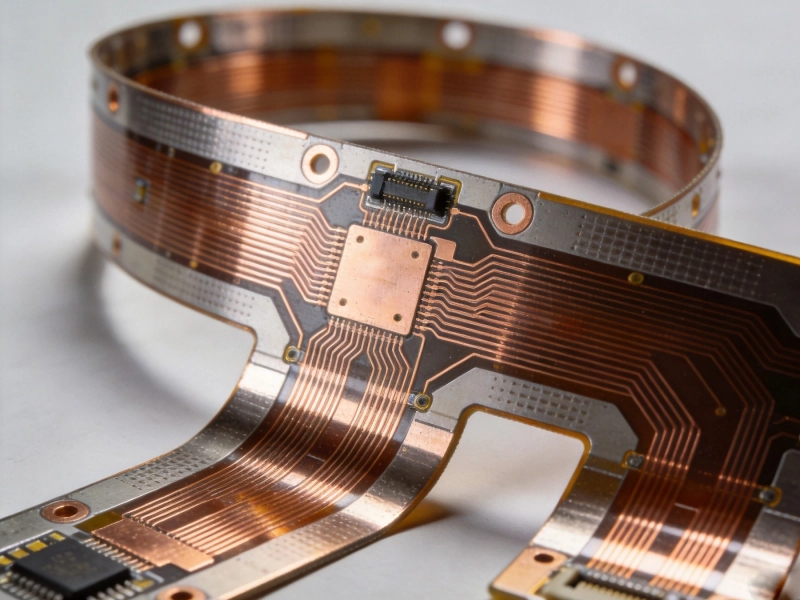
What is Metal Core PCB? Complete Guide from China ManufacturerMay/18/2026
Why Choose a China HDI PCB Manufacturer for Your Project?May/13/2026