
The global wearable health technology market is projected to exceed $180 billion by 2030, driven by rising demand for remote patient monitoring, preventive healthcare, and personalized fitness tracking. From smartwatches that monitor heart rate and sleep patterns to continuous glucose monitors (CGMs) worn 24/7 by people with diabetes, these devices rely on one critical component that often goes unnoticed: biocompatible Flexible Printed Circuit Boards (flex PCBs).
Unlike rigid PCBs used in consumer electronics, flex PCBs for wearable health monitors require special materials and manufacturing processes to ensure they are safe for direct, prolonged contact with human skin, and in some cases, implantation inside the body. This guide explores what makes biocompatible flex PCBs unique, why they are non-negotiable for medical wearables, and key considerations for device manufacturers.
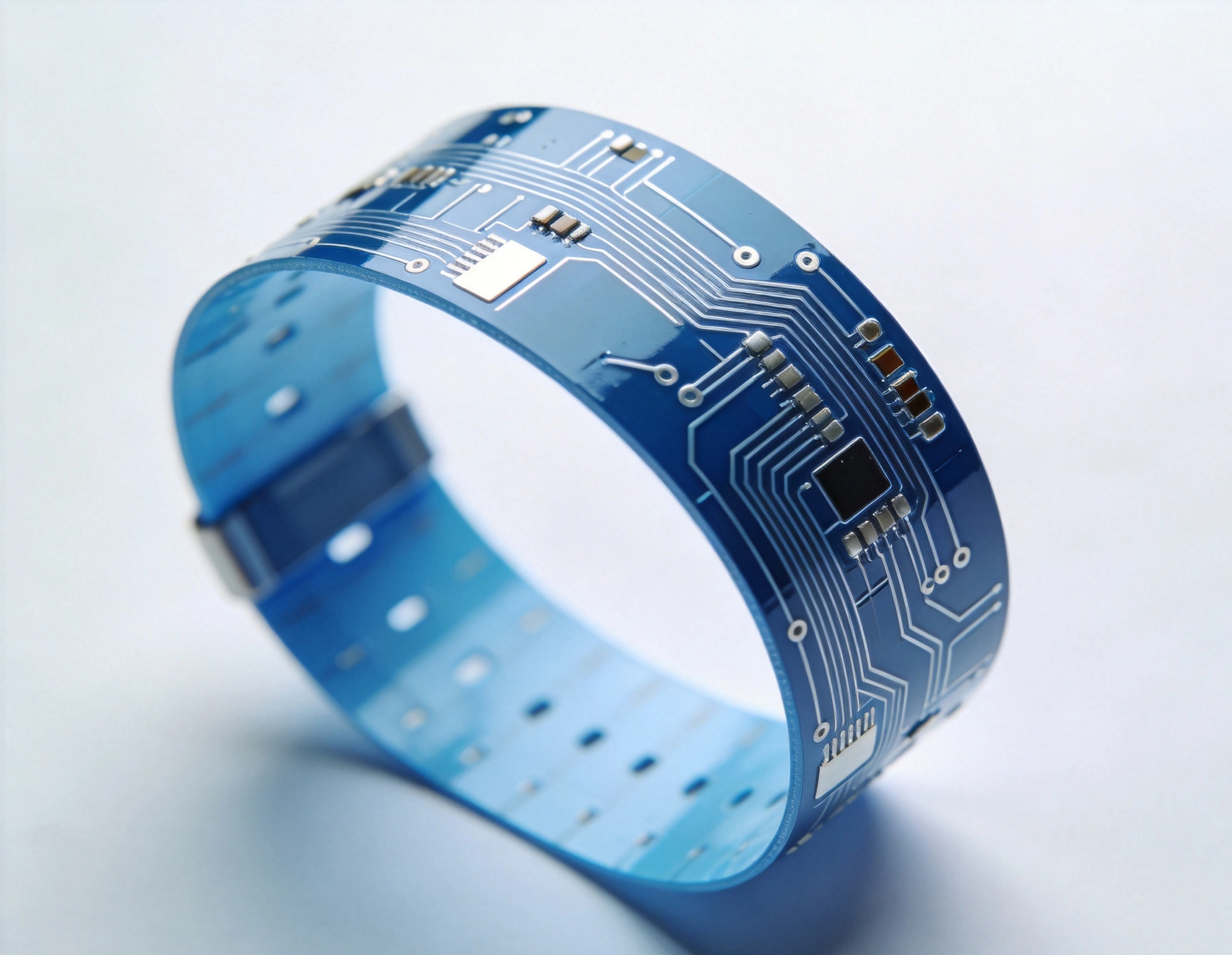
Biocompatible flex PCBs are Flexible Circuit Boards made from medical-grade materials that are tested and certified to be safe for contact with living tissue, including human skin and internal organs. Standard flex PCBs use materials like polyimide (PI) and copper, but these often contain trace chemicals, adhesives, or surface treatments that can cause skin irritation, allergic reactions, or more severe health issues when worn for extended periods.
To qualify as biocompatible, flex PCBs undergo rigorous testing according to international standards such as ISO 10993 (Biological evaluation of medical devices) and FDA 21 CFR Part 177 (Indirect food additives: polymers). Key requirements include:
Common materials used in biocompatible flex PCBs include medical-grade polyimide, liquid crystal polymer (LCP), and special surface finishes like electroless nickel immersion gold (Enig) that are free from harmful contaminants.
For consumer wearables like fitness trackers that are worn for a few hours a day, basic skin safety may be sufficient. But for medical-grade wearable health monitors that are worn 24/7, or implanted inside the body, biocompatibility is not just a feature—it's a regulatory requirement and a matter of patient safety.
Here are the key reasons biocompatibility is critical:
Studies show that up to 15% of wearable device users experience skin irritation, allergic contact dermatitis, or rashes from prolonged contact with device materials. These reactions are often caused by chemicals leaching from non-biocompatible Pcb Materials, including flame retardants, plasticizers, and residual soldering fluxes. For medical wearables used by patients with sensitive skin or chronic conditions, these reactions can lead to device abandonment, reduced treatment adherence, and even medical complications.
Any wearable device classified as a medical device must meet strict biocompatibility requirements to receive regulatory approval from bodies like the U.S. Food and Drug Administration (FDA), European Medicines Agency (EMA), or China National Medical Products Administration (NMPA). Using non-biocompatible PCBs can result in product recalls, regulatory fines, and delayed market entry—costing manufacturers millions of dollars in lost revenue.
Wearable health monitors rely on precision sensors to measure vital signs like heart rate, blood oxygen levels, ECG, and glucose concentrations. Skin irritation and inflammation caused by non-biocompatible materials can alter skin temperature, blood flow, and surface chemistry, leading to inaccurate sensor readings. Biocompatible materials are designed to be inert and stable, ensuring consistent sensor performance even during long-term wear.
Biocompatible flex PCBs are engineered to resist damage from sweat, body oils, moisture, and repeated bending—common stressors for wearable devices worn during exercise, showering, and daily activities. This durability reduces device failure rates and extends the lifespan of wearables, lowering Total Cost Of Ownership for both patients and healthcare providers.
Beyond safety and compliance, biocompatible flex PCBs offer several performance advantages that make them ideal for modern wearable health technology:
Biocompatible flex PCBs are ultra-thin (often less than 0.2mm thick), lightweight, and highly flexible, allowing them to conform closely to the curves of the human body. This eliminates the bulky, rigid feel of traditional electronics, making devices comfortable to wear for days or weeks at a time without causing discomfort or pressure points.
As wearable health monitors become smaller and more discreet, manufacturers need PCB solutions that can fit into compact form factors while maintaining full functionality. Biocompatible flex PCBs can be folded, bent, and shaped to fit into virtually any device design, from ultra-thin skin patches to small implantable sensors, without compromising electrical performance.
Medical wearables require high-precision sensor readings and reliable Wireless Connectivity. Biocompatible Flex Pcb materials like LCP offer excellent high-frequency performance, low signal loss, and stable dielectric properties, making them ideal for devices that transmit data via Bluetooth, Wi-Fi, or cellular networks.
Wearable health monitors are exposed to a wide range of environmental conditions, from extreme temperatures and humidity to sweat, soap, and sunscreen. Biocompatible flex PCBs are coated with special medical-grade encapsulants that protect the circuitry from moisture, dust, and chemical exposure, ensuring reliable operation even in harsh conditions.
Biocompatible flex PCBs are used in a wide range of wearable and implantable medical devices, including:
Not all biocompatible flex PCBs are created equal. When selecting a PCB supplier for your wearable health device, consider the following factors:
Ensure the PCB manufacturer uses materials that are explicitly certified to meet ISO 10993 and relevant regional regulatory requirements for medical devices. Request copies of material safety data sheets (MSDS) and certification documents to verify compliance.
Biocompatible PCBs require strict process control to avoid contamination during manufacturing. Look for suppliers with dedicated cleanroom facilities for medical Pcb Production, and documented processes for preventing cross-contamination between medical and non-medical Pcb Production lines.
Choose a supplier that can perform in-house biocompatibility testing, environmental stress testing, and reliability testing to validate PCB performance under real-world wear conditions. This can significantly reduce your product development timeline and regulatory approval costs.
The surface finish of the PCB can impact biocompatibility. Enig (electroless nickel immersion gold) is the most common surface finish for medical flex PCBs, as it is lead-free, corrosion-resistant, and biocompatible. Avoid finishes like Hasl (hot air solder leveling) that contain lead or other harmful chemicals.
Medical device production often runs for 5-10 years or longer. Ensure your PCB supplier has a stable supply chain for medical-grade materials and can guarantee consistent material quality and availability over the entire product lifecycle.
As wearable health technology continues to evolve, demand for more advanced biocompatible Flex Pcb solutions is growing rapidly. Emerging innovations include:
These innovations will enable a new generation of wearable health monitors that are more comfortable, more accurate, and less invasive than ever before.
Biocompatible flex PCBs are the unsung heroes of modern wearable health technology. They provide the critical combination of safety, flexibility, reliability, and performance that makes 24/7 health monitoring possible. For device manufacturers, investing in high-quality, certified biocompatible flex PCBs is not just a regulatory requirement—it's a key differentiator that can improve patient outcomes, increase user satisfaction, and reduce product liability risks.
As the wearable health market continues to grow, the importance of biocompatible Flex Pcb Technology will only increase, enabling new innovations that will transform how we monitor and manage our health.
A: No, standard flex PCBs used in consumer electronics are not biocompatible, as they often contain materials and chemicals that can cause skin irritation or adverse reactions when worn for extended periods. Only flex PCBs made with certified medical-grade materials and manufactured under controlled conditions qualify as biocompatible.
A: The wear duration depends on the specific material certification. Some biocompatible materials are designed for short-term wear (hours to days), while others are certified for long-term continuous wear (weeks to months). Implantable biocompatible PCBs are designed to be safe for years of use inside the body.
A: Yes, biocompatible flex PCBs typically cost 20-50% more than standard flex PCBs due to the higher cost of medical-grade materials, stricter Manufacturing Process controls, and required testing and certification. However, this cost premium is offset by lower regulatory risk, reduced product failure rates, and higher user satisfaction.
A: Look for PCBs that meet ISO 10993 biocompatibility standards, as well as regional regulatory requirements such as FDA 21 CFR Part 177 (U.S.), EU MDR (European Union), and NMPA regulations (China). Your PCB supplier should be able to provide full certification documentation for all materials used.
The Hidden Costs of Cheap PCBs: Why Quality MattersJuly/23/2026
What is Rigid-Flex PCB? Complete Guide from China ManufacturerMay/18/2026
Blind and Buried Vias: Enhancing Density in HDI PCBsSeptember/30/2026

Detailed Explanation of the Types, Materials, and Applications of Flexible Circuit Boards 101June/04/2026
How to Prevent Common Failures in Flexible Circuit DesignSeptember/09/2026

Sustainability in PCB Fabrication: Eco-Friendly Materials and ProcessesJuly/01/2026
How DFM Analysis Saves You Money on Multilayer PCBsAugust/19/2026
Metal Core PCB (MCPCB) Basics: Aluminum vs. Copper SubstratesSeptember/29/2026