
The global Electronics Supply Chain has never been more volatile. Between geopolitical tensions, pandemic-era disruptions, and unexpected demand spikes, companies that once relied on a single-source model are now scrambling to build resilience. For businesses dependent on printed circuit boards (PCBs), this volatility translates directly into production delays, cost overruns, and customer dissatisfaction.
That's where strategic supplier diversification comes in—and specifically, partnering with a China PCB Manufacturer alongside your existing domestic suppliers can be a game-changer. In this article, we'll explore why diversification matters, how China PCB partners fit into a resilient supply chain strategy, and what you need to consider before making the switch.

If you've been in the electronics industry long enough, you've likely experienced at least one major supply chain disruption. Maybe it was the 2020 pandemic that shut down facilities across Southeast Asia. Perhaps it was the semiconductor shortage that rippled through every sector. Or maybe it was simpler—your sole supplier had equipment failure, and suddenly your six-week lead time became sixteen weeks.
These aren't hypothetical scenarios. They're the reality of single-source PCB procurement. When you depend on one manufacturer, one region, or one supply chain node, you're essentially betting that nothing will go wrong. And in the modern world, something always goes wrong.
The PCB industry faces unique challenges that compound these risks:
Diversification isn't just about finding the cheapest option or adding random suppliers to your approved vendor list. True diversification is strategic—it creates redundancy without sacrificing quality or increasing administrative burden beyond reason.
For PCB procurement, this typically means:
Concentrating all your Pcb Manufacturing in one region exposes you to regional risks—natural disasters, policy changes, transportation disruptions, or labor issues. By establishing partnerships in multiple regions (including China, which dominates global Pcb Production), you distribute these risks across different geopolitical and environmental contexts.
Not all PCB suppliers are created equal. Some excel at quick-turn prototypes, others at high-volume production, and still others at advanced technologies like HDI or Flex Circuits. Diversifying across supplier types ensures you have the right partner for each project phase.
Your product roadmap likely includes increasingly complex boards. A supplier that meets your needs today may not support your requirements in two years. Building relationships with partners who have different technical capabilities future-proofs your supply chain.
Let's address the obvious: China produces over 50% of the world's PCBs. This isn't just about cost—it's about infrastructure, expertise, and capacity that simply doesn't exist elsewhere in the same concentration.
Chinese PCB manufacturers have invested heavily in production capacity. Large facilities in Shenzhen, Suzhou, and other manufacturing hubs operate around the clock, with automated lines that can produce millions of boards per month. When you need volume—fast—a China partner can deliver in ways domestic suppliers often cannot.
But it's not just about volume. Many Chinese fabs have developed specialized capabilities in High-density Interconnect (HDI), flexible circuits, and high-frequency materials for 5G and automotive applications. The ecosystem has matured to support increasingly sophisticated products.
The cost advantage of manufacturing in China has narrowed, but it hasn't disappeared. Labor costs are higher than in years past, but efficiencies in materials procurement, economies of scale, and established supply chains keep China competitive on price—particularly for complex or high-volume orders.
Critically, quality has improved dramatically. Many Chinese PCB manufacturers now hold Iso 9001, Iatf 16949 (automotive), and AS9100 (aerospace) certifications. They invest in Aoi, X-ray Inspection, and other Quality Control measures that rival or exceed Western standards.
Turnkey PCB Assembly services in China often offer faster turnaround than domestic alternatives, even for small batches. The ecosystem of component suppliers, logistics partners, and assembly services clustered in proximity creates efficiencies that reduce lead times significantly.
Theoretical benefits are one thing. Let's look at concrete outcomes companies experience when they diversify their Pcb Supply Chain with a China partner.
Consider a mid-sized electronics company that manufactured all its PCBs domestically. During a surge in demand for their industrial control product, their primary supplier couldn't accommodate the increase without extending lead times from 3 weeks to 10 weeks. By activating a China-based partner for overflow production, they maintained their delivery commitments without sacrificing quality or customer relationships.
The math worked: even with shipping time factored in, the total lead time dropped from 10 weeks to 6 weeks—a 40% improvement that translated directly into customer satisfaction and repeat orders.
Another company was launching a consumer IoT device requiring 50,000 units per month. Domestic pricing made the product economically unviable. By shifting production to a China Turnkey Assembly partner, they achieved per-unit cost reductions that enabled market competitiveness. The key was combining PCB Fabrication with assembly services in a single facility, reducing handling, transportation, and coordination overhead.
Diversification offers clear benefits, but it requires careful planning. Here are the factors that determine success:
Time zone differences and language barriers can create friction. Look for partners with dedicated English-speaking project managers, responsive communication channels, and clear escalation procedures. The best China PCB suppliers have learned to bridge these gaps effectively.
This is often the first concern—and it should be addressed head-on. Reputable manufacturers sign NDAs, implement secure data handling practices, and have established protocols for protecting client designs. Do your due diligence: ask about their IP protection policies, visit the facility if possible, and check references from other companies in your industry.
Understand the QC process before you place an order. What inspection stages do they have? Do they provide first-article inspection reports? Can they accommodate your specific testing requirements? Clear quality expectations prevent costly surprises.
Shipping PCBs from China involves longer lead times than domestic procurement—typically 2-4 weeks for ocean freight, or 5-7 days for air. Plan your inventory accordingly. Many companies maintain safety stock or use a hybrid model where critical or time-sensitive boards come from domestic suppliers while routine production runs come from China.
A successful partnership isn't accidental—it results from deliberate relationship building and clear expectations.
Before committing large volumes, test the waters with a prototype or small production run. Evaluate quality, communication responsiveness, and delivery reliability. This trial period reveals whether the partnership is viable before you've invested significantly.
Ambiguity breeds problems. Provide detailed Gerber files, material specifications, tolerances, and inspection criteria. The more precise your documentation, the more likely you'll receive boards that meet your expectations.
The best China PCB partners become extensions of your team. Invest in the relationship: share your product roadmap, discuss upcoming projects, and provide feedback on quality. Partners who understand your business can anticipate needs and proactively address potential issues.
Turnkey PCB Assembly—where one provider handles fabrication, component sourcing, and assembly—simplifies supply chain management significantly. For products with standard components, this can reduce cost and lead time. For products requiring specialized parts, verify that your partner has the sourcing capabilities you need.
The events of recent years have made one thing clear: supply chain resilience isn't a nice-to-have; it's a competitive necessity. Companies that weathered disruptions best were those with diversified supplier bases and strong partner relationships.
Adding a China PCB Manufacturer to your supply chain portfolio is one of the most effective ways to build this resilience. The combination of capacity, capability, cost efficiency, and geographic diversification addresses the core risks that threaten PCB supply chains.
But resilience isn't built overnight. Start planning now—before the next disruption forces your hand. Evaluate potential partners, run pilot projects, and develop the relationships that will support your business when you need them most.
Request samples before large orders, ask for inspection reports (AOI, X-ray, microsection analysis), and verify certifications (Iso 9001, Ipc Standards). Many companies use third-party inspection services for additional assurance.
Standard fabrication is typically 5-10 business days, plus 2-4 weeks for shipping (sea freight) or 5-7 days (air freight). Quick-turn options are available for urgent needs, though at premium pricing.
Established manufacturers take IP protection seriously. Look for NDAs, secure data handling practices, and references from other companies in your industry. The risk can be managed effectively with proper due diligence.
Yes. Many Chinese fabs specialize in advanced PCB technologies including HDI, flexible circuits, rigid-flex, and high-frequency materials. Verify specific capabilities with potential partners before placing orders.
Choose partners with dedicated English-speaking staff and responsive communication practices. Establish clear communication protocols, preferred channels (email, WeChat, project management platforms), and expected response times.
Supply chain resilience requires proactive strategy, not reactive crisis management. By diversifying your PCB procurement with a trusted China Manufacturing partner, you gain capacity, reduce risk, improve cost efficiency, and position your business for long-term success—even when disruptions hit.
The question isn't whether diversification makes sense. It's whether you can afford to wait until a crisis forces your hand.
Ready to explore China PCB partnership options? Our team can connect you with qualified manufacturers matched to your specific requirements.
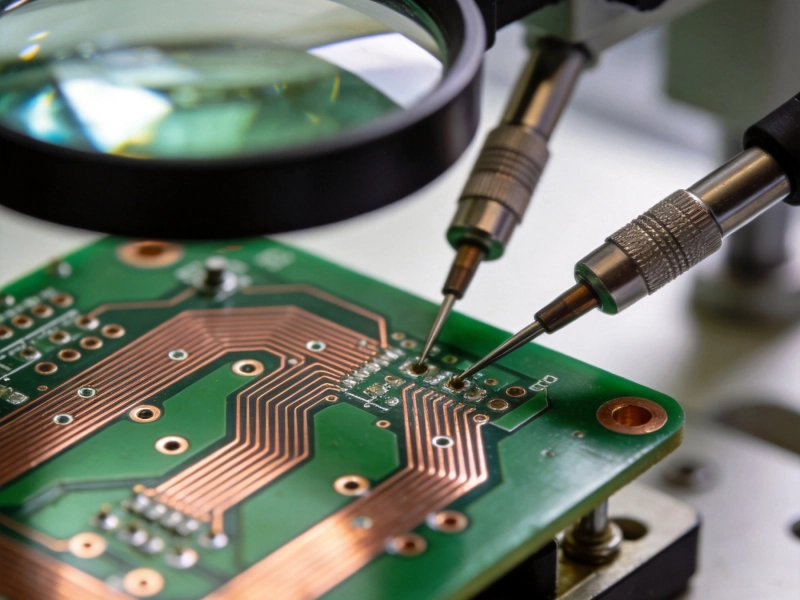
How to Verify the Quality of a PCB Prototype Before Mass ProductionOctober/13/2026
ISO and UL Certifications: What They Mean for Your PCB QualitySeptember/23/2026
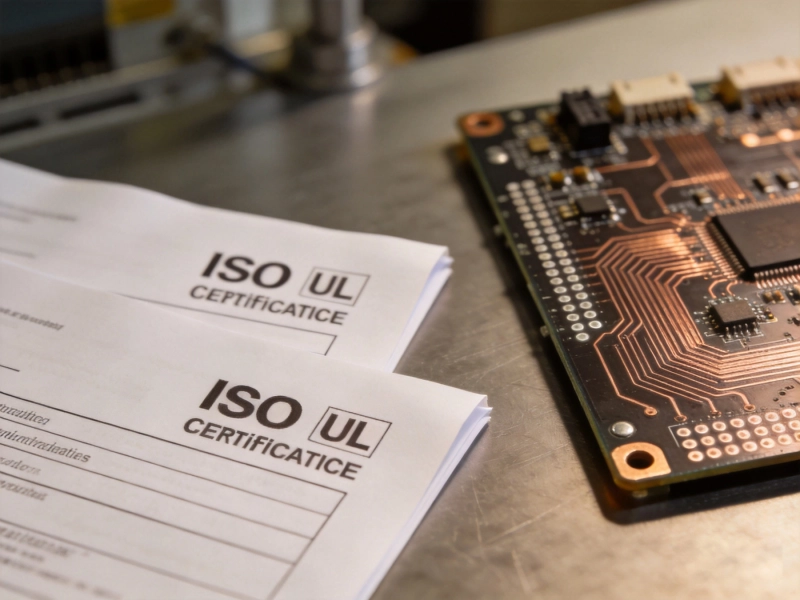
ISO and UL Certifications: What They Mean for Your PCB QualitySeptember/26/2026
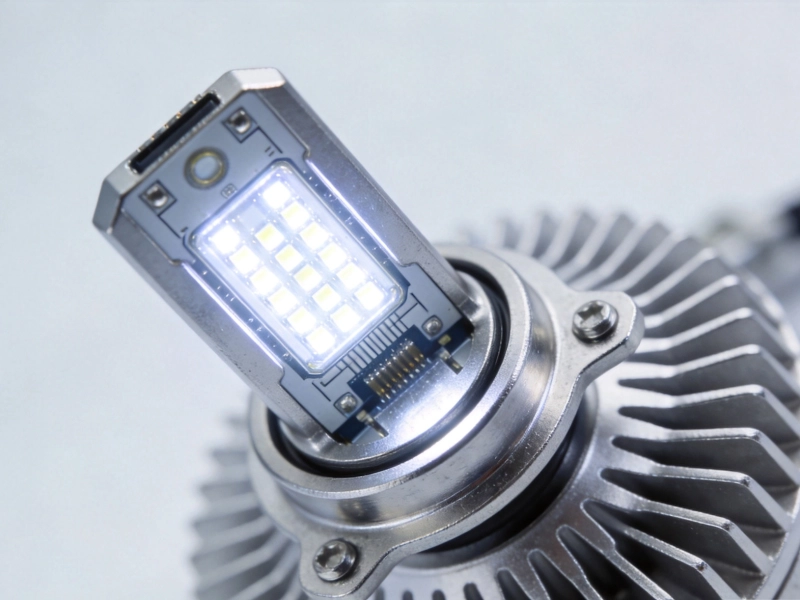
Sourcing Metal Core PCBs for Automotive LED HeadlightsJuly/25/2026
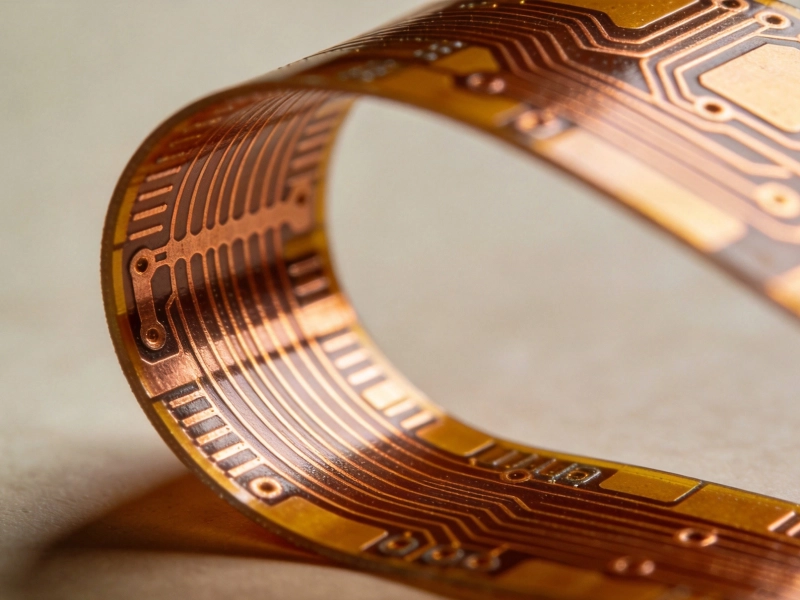
How to Specify Bend Radius for Flexible PCB OrderAugust/06/2026
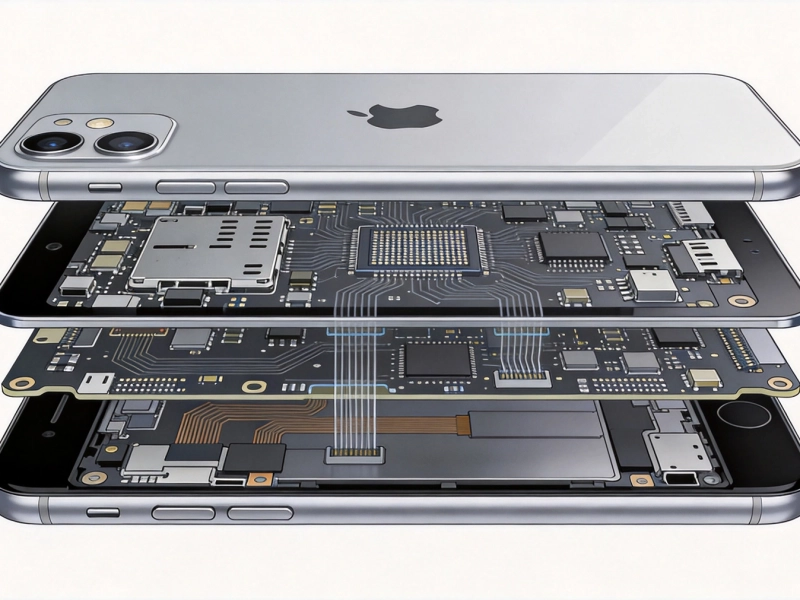
How HDI PCBs Enable Slimmer Smartphones and TabletsJune/26/2026

High-Frequency PCBs in Radar and Satellite Communication SystemsAugust/03/2026
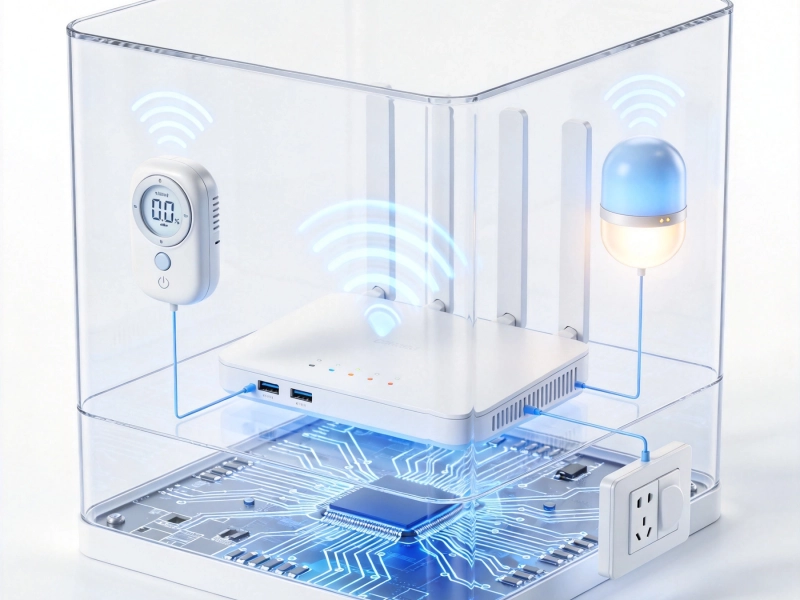
Smart Home Devices: Integrating High-Frequency PCBs for Wi-Fi/BluetoothSeptember/21/2026